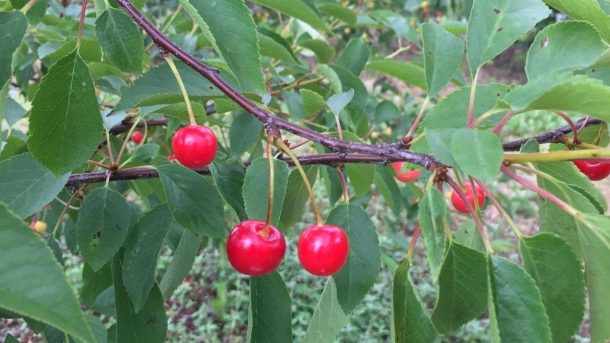
In cherry fruit cultivation, the basin should be kept clean by hand weeding or using chemical weedicides. Diuron 4 kg/ha can be applied pre-emergence controller and Paraquat (0.5%) can be applied to control the post-emergence growth of the weeds. It may need multiple applications to control the weed growth for 5 to 6 months. Mulching also effectively controls the weed growth. Any green manuring crops can be grown to improve the soil fertility.
Weed management
How weeding in moringa plays a significant role in increasing yield?
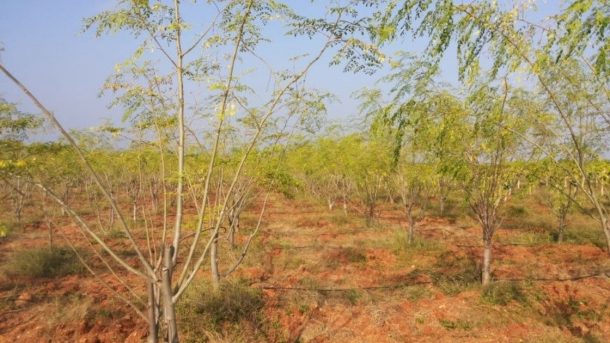
Weeding is essential for loosening the top soil with a hoe so as to provide good aeration and could also remove the unwanted weeds or plants. It is recommended to weed four times a year and registered herbicides are applied for controlling the growth of weeds. Weeding is important for increasing crop yields.
How weeds are controlled in orange cultivation?
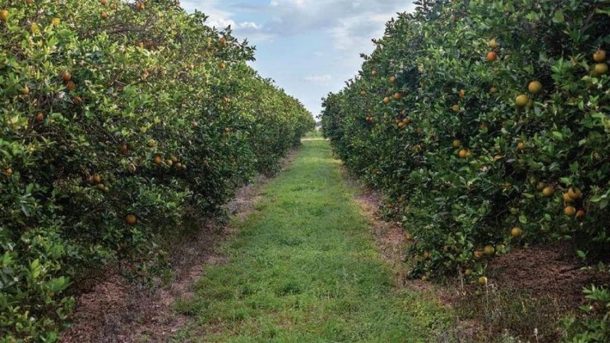
Weeds can become a serious problem around your trees if not dealt with on a regular basis. Good weed control is very important in the immediate vicinity of transplanted trees to reduce competition. Regular hoeing in the tree basins not only helps in reducing weed growth but will also help in improving soil aeration promoting root growth and growth beneficial microorganisms. Hoeing also helps in killing harmful pests and pathogens by exposing them to sun. Composted mulches are also useful for weed control and for retaining soil moisture.
How weeds are controlled is done Banana?
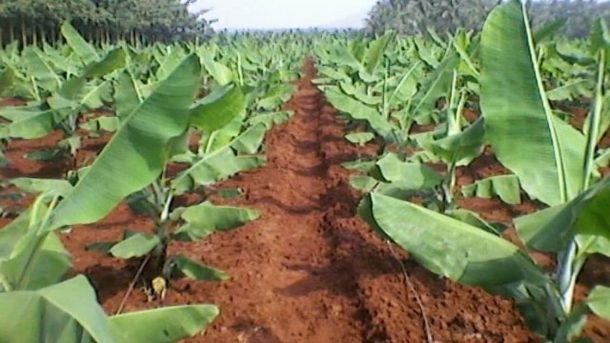
Regular weeding is important during the first four months. Spading is commonly used and normally four spadings a year are effective in controlling weeds. Integrated weed management by including cover crops, judicious use of herbicides, intercropping and hand weeding wherever necessary will contribute in increased production. Pre-emergence application of Diuron (1kg a.i./ha) or Glyphosate (2 kg a.i./ha) is effective in controlling grasses and broad-leaved weeds without affecting the yield and quality of banana. Double cropping of cowpea is equally effective in suppressing the weed growth.
How weeds are controlled in groundnut crop?
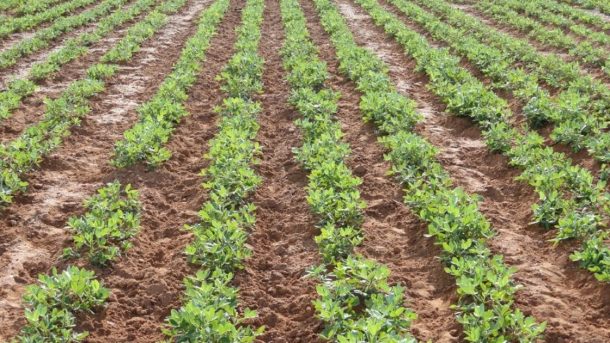
Two hand weeding or interculturing twice or thrice between the rows till the crop permit (up to flowering only) should be carried out for controlling the weeds. In scarcity and unavailability of labour, pendimethalin @ 1.0 kg/ha or fluchloralin @ 1.5 kg/ha as preemergence application is found effective for controlling the weeds.
In summer groundnut, Oxyfluorfen @ 0.24 kg/ha as pre-emergence followed by one hand weeding and interculturing at 45 days of sowing should be carried out for controlling the weeds. If it is not possible to spray the above weedicide after sowing the crop, same should be applied at the same rate as pre-planting. In south Saurashtra, for effective control of weeds in summer groundnut, two hand weeding and interculturing at 20 and 40 days of sowing should be carried out. For chemical weed control, fluchloralin or pendimethalin @ 1.0 kg/ha as pre-emergence along with one hand weeding and two interculturing should be carried out.
How weed management is done in mango orchard?
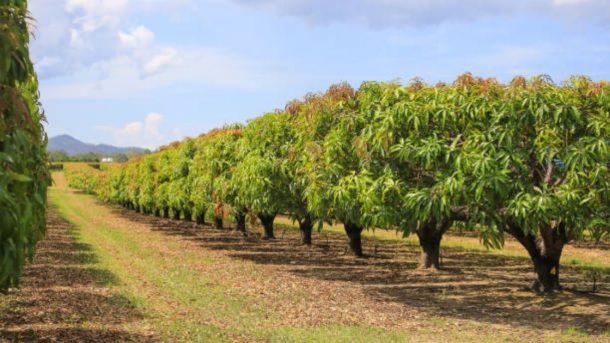
Immediately after planting the mango, the weed problem may not exist, but it is advisable to break the crust with hand hoe each time after 10-15 irrigations. However, subsequent hoeing may be done depending on weed growth in the basin.
Intercultural operations are equally important for the bearing mango orchards. First ploughing should be done before the onset of rains. This will help in checking run-off losses and facilitate maximum retention of water in the soil. Orchard may be ploughed again after the rainy season is over in order to suppress weed growth and to break capillaries. Third ploughing may be done in the last week of November or first week of December with a view to checking the population of mango mealy bugs.
How weeds are controlled in apple rose farming?
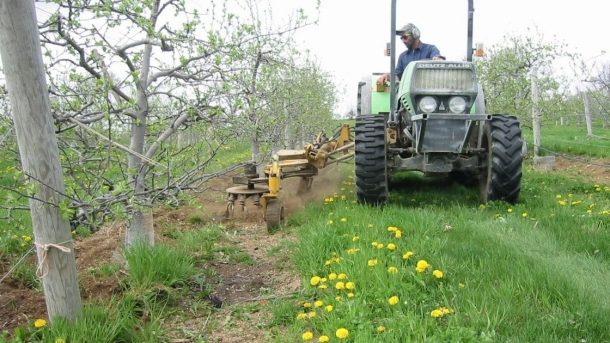
Shallow cultivation should be given to control the weeds between rows and hand weed can be applied at the plant base. Mulching also can be practiced to control weeds at the tree base and prevent moisture loss. This can also protect from soil erosion.
How Pest, Weed and fertility management is done in Conservation agriculture?
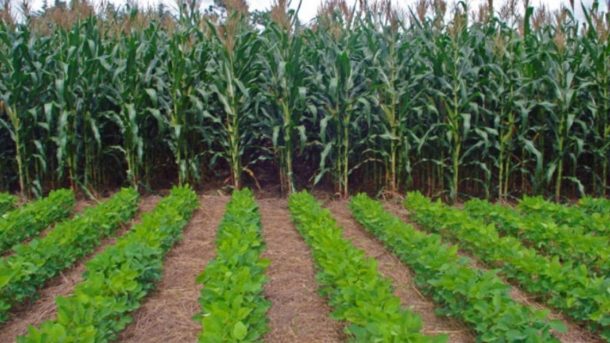
In any agricultural system pest, weed and fertility management are critical issues. Any limitation related to pest, weed and soil fertility should be assessed and addressed before implementing conservation agriculture.
In case of a lack of resources, some solutions have been found by farmers. They are weed control, crop rotations, use of manure and other crops for soil fertility etc. Combining conservation with organic agriculture has been adopted by small scale farmers.
How weeds can be controlled in organic farming?
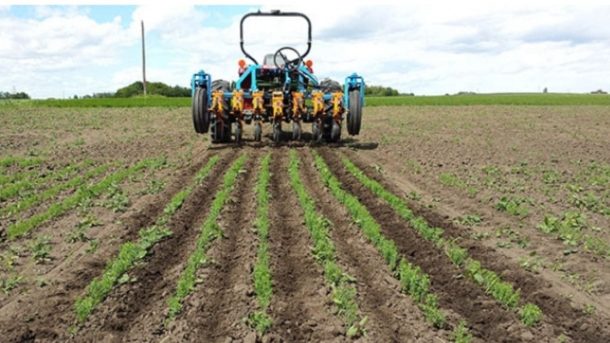
Organic farms use manual weeding, water management, tillage, mulching, crop rotation for weed suppression etc as some of the cultural ways of weed management. It is believed that weeds on the organic farm improve soil condition, provide habitat for natural enemies, helps in soil conservation etc. Mulching the soil basin with plastic material is permitted on organic farms only if they are removed at the end of the cropping season. The use of natural substances is permitted but their efficiency of the weed removal process is not yet clear.
How to control weeds in lemon grass crop?
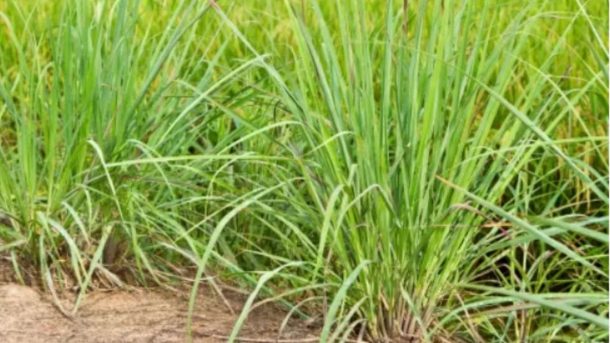
The main field is kept weed free for the first 3 to 4 months after planting the Lemon grass. Similarly, weeding cum hoeing is done up to 4 weeks, after every harvest. Generally, 2 to 3 weeding’s are required during a year. In row planted crops, intercultural operations should be done by hand hoe or a tractor drawn cultivator.