Increasingly, agricultural yield optimization uses machine learning methods. In order to maximise crop yields, these algorithms analyse vast volumes of data and generate predictions or suggestions. The following are some significant applications of machine learning for yield optimization:
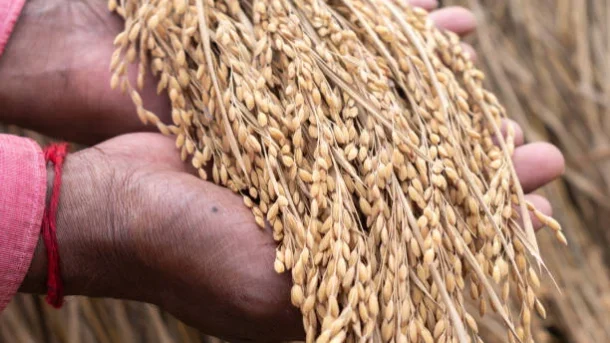
Machine learning algorithms can estimate crop yields by analysing historical and current data on weather patterns, soil conditions, crop traits, and management techniques. These algorithms produce yield estimates by taking into account a number of variables and their interconnections, assisting farmers and agronomists in making defensible choices about inputs, irrigation, and crop management techniques.
Variable Rate Technology (VRT): Using VRT, inputs like fertiliser, insecticides, and water are applied at different rates depending on the changing field conditions. To produce prescription maps for VRT equipment, machine learning algorithms analyse data from sensors, satellite photography, and previous yield maps. These maps direct the precise application of inputs, maximising yields across several fields and maximising resource utilisation.
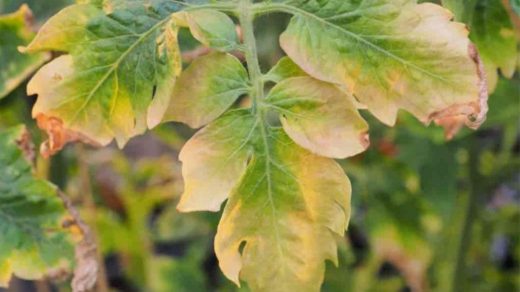
Detecting illnesses, pests, and weed infestations in crops can be done by using machine learning algorithms to examine photographs or sensor data. These algorithms learn to identify patterns and anomalies connected to certain diseases or pests by training on labelled data. Early detection enables focused actions, minimising the effect on crop output and the requirement for extensive