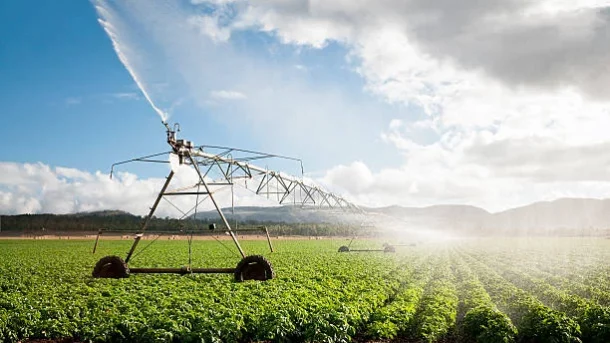
Precision irrigation systems are essential for increasing water efficiency in agriculture since they maximise water application and reduce water waste. The following are some ways that precise irrigation systems improve water efficiency:
Application of Site-Specific Water: Precision irrigation systems use tools like soil moisture monitors, weather information, and remote sensing to pinpoint the precise water requirements of certain fields. Farmers may avoid over-irrigation and give the appropriate amount of water to each plant or zone by using real-time analysis to determine these factors. This focused strategy reduces water waste and makes sure that crops get the right amount of moisture.
Precision irrigation systems have a feature called variable rate irrigation (VRI) that enables various parts of a field to have differing water application rates. VRI systems are able to deliver varied amounts of water to various zones or even specific plants within a field by taking into account the terrain, the crop requirements, and the properties of the soil. In order to minimise both over- and under-irrigation and to maximise water use efficiency, farmers can utilise this to match irrigation rates to individual demands.
Water Monitoring and Feedback: Precision irrigation systems come with sensors and feedback mechanisms that offer in-the-moment data on crop water intake, soil moisture levels, and system efficiency. Farmers can make informed judgements regarding irrigation management by remotely monitoring this data using computer interfaces or mobile apps. This information permits prompt modifications.