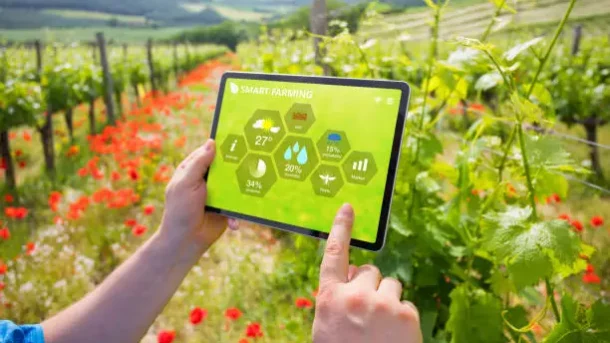
Soil sensors: Soil sensors gauge the soil’s temperature, moisture content, and nutrient levels. Farmers can use this information to make well-informed decisions about managing soil health, applying fertiliser, and scheduling irrigation. In order to track the distribution of moisture and guarantee effective water use, soil sensor can be positioned at various depths.
Weather Sensors: Data on temperature, humidity, precipitation, wind speed, and sun radiation is collected by weather sensors. Monitoring weather trends, forecasting changes, and modifying farming practises all depend on this knowledge. Weather sensor aid in resource management optimisation, crop protection from severe weather, and irrigation optimisation.
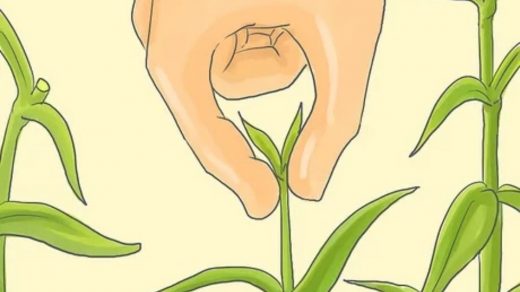
Crop health sensor monitor a number of aspects of a plant’s health, such as the amount of chlorophyll present, the temperature of the leaf, and the amount of photosynthetic activity. These sensors are capable of identifying the first hints of stress, nutrient deficits, illnesses, and insect infestations. Farmers can take prompt action to avert or lessen potential damage and improve treatment plans by keeping an eye on the condition of their crops.
Sensors are used in livestock facilities to monitor the health, behaviour, and welfare of the animals. They can monitor things like body temperature, heart rate, level of activity, and dietary habits. Livestock sensor aid in the early detection of illness, stress, or abnormal behaviour, allowing for better herd management and early intervention.