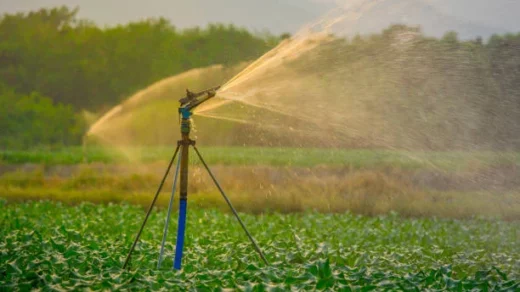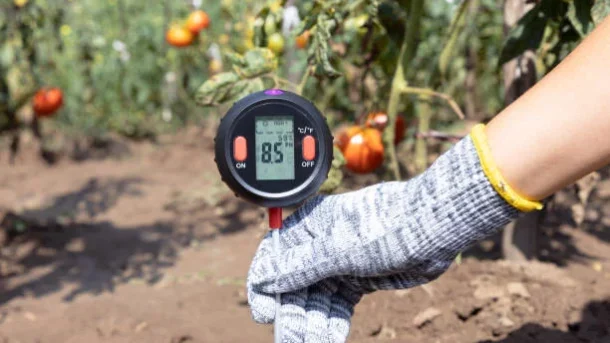
In order to regulate irrigation effectively, it is essential to measure the moisture content of the soil using soil moisture smart sensors. To track moisture levels at multiple layers, these sensors can be inserted at various depths in the soil profile. Farmers may optimise irrigation practises, prevent under- or overwatering, and determine when and how much water to use by continuously monitoring soil moisture. Farmers can monitor soil moisture levels and make irrigation decisions based on reliable information thanks to the real-time data that smart soil moisture smart sensors provide.
Sensors that monitor soil temperature can gauge the temperature of the ground at different depths. Seed germination, nutrient availability, microbial activity, and plant growth are all influenced by soil temperature. Farmers can choose the ideal soil temperature by keeping an eye on it.
pH sensors for soil: These sensors gauge the soil’s acidity or alkalinity. The availability of nutrients to plants is impacted by soil pH, which also impacts soil microbial activity. Farmers can assess the compatibility of the soil for various crops by monitoring the pH of the soil and can determine whether pH adjustments through soil amendments are necessary. The accurate and fast pH measurements provided by smart soil pH sensors enable farmers to maintain the ideal pH values for certain crops and modify their soil management techniques as necessary.
The amounts of different nutrients in the soil, such as nitrogen, phosphorous, and potassium, which are critical for plant growth, are measured using soil nutrient sensors. Farmers can optimise fertiliser applications and avoid nutrient excesses or shortfalls by keeping track of the soil’s nutrient levels. Real-time nutrient data is provided by intelligent soil nutrient sensors.