By automating and improving the procedure, agri-robotics can play a crucial role in soil sampling and analysis. How agri-robotics can help with soil collection and analysis is as follows:
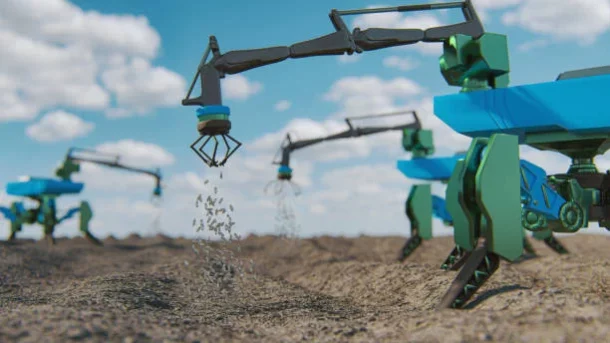
Precision sampling instruments can be fitted on agricultural robots to enable systematic and standardized collection of soil samples. Using GPS or other positioning technologies, these robots may move around fields while adhering to pre-established sample patterns. The capacity to take samples at specified depths and locations guarantees accurate and representative soil data for examination.
High-volume sampling: Agri-robots are capable of collecting a lot of soil samples fast and effectively. They can collect samples across large regions of land while requiring less time and labor than manual sampling does. This capacity for high-volume sampling allows for greater.
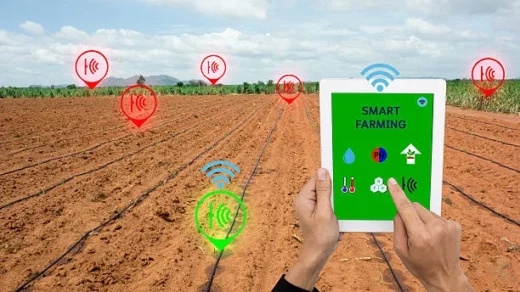
Real-time data gathering: Agri-robots can be fitted with sensors and tools to capture data in real-time while collecting soil. These sensors can gauge many aspects of the soil, including its pH, nutrient content, organic matter concentration, moisture content, and compaction. Robotic data collection allows for fast feedback on the state of the soil, allowing farmers to make informed decisions about best methods for soil management.
Agri-robots can use remote sensing and imaging techniques, such as multispectral or hyperspectral imaging, to evaluate soil properties. These sensors are able to take precise photographs of the soil’s surface and identify changes in the soil’s organic matter distribution, moisture level, or composition. The use of remote sensing and imaging technologies allows for specialized soil management practices and important insights into the health of the soil.