Numerous approaches to improve crop protection and yield are provided by nanotechnology. The following are some significant ways that nanotechnology can advance these causes:
Enhanced Nutrient distribution: The exact and targeted distribution of nutrients to plants is made possible by nanotechnology. Nutrient utilization efficiency can be increased by using nanoscale nutrient carriers or nanofertilizers that release nutrients gradually and in response to plant needs. In order to promote optimal growth, production and protection, and nutrient uptake, this targeted delivery makes sure that plants receive nutrients in the proper amount and at the proper time.
Controlled Release of Pesticides and Herbicides: Nanotechnology makes it easier to create pesticide and herbicide nanoformulations. These nanoformulations safeguard the active components, increase their solubility, and allow for regulated release. Pesticides or herbicides are progressively released using controlled-release devices, assuring continuous efficacy and minimizing the need for repeated treatments.
Nanotechnology improves seed treatments to promote improved germination and crop establishment. Seed treatments like biostimulants, growth regulators, or advantageous microbes can be protected and released gradually by being nanoencapsulated. This encourages stronger seedling growth, healthier seed germination, and better crop establishment.
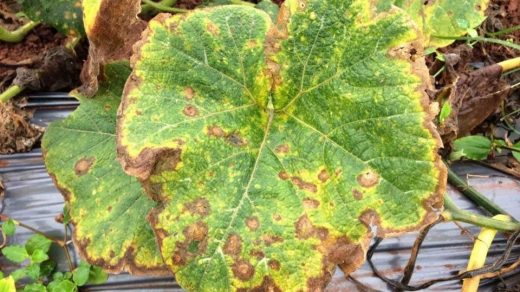
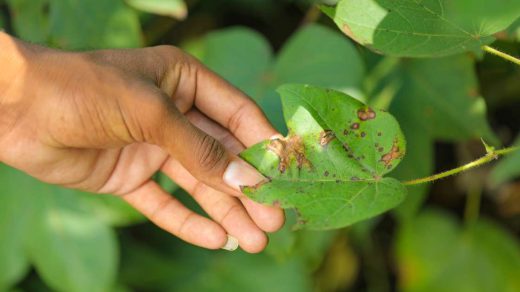
Diagnostic instruments and sensors based on nanotechnology are better at identifying and diagnosing diseases. Rapid and sensitive detection of particular pathogens or disease markers is made possible by nanobiosensors and nanoprobes. These nanoscale tools enable precise and rapid disease identification, enabling quick response and focused disease management techniques.