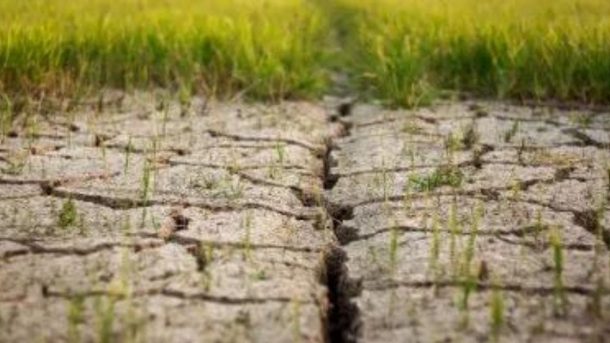
Reducing desertification requires a multi-faceted approach that addresses both the natural and human causes of the problem. Some strategies that can help reduce desertification include:
- Sustainable land use practices: This involves reducing human activities such as overgrazing, deforestation, and improper irrigation methods that can lead to soil degradation and loss of vegetation.
- Water management: Improving water management practices, such as rainwater harvesting, can help to reduce soil erosion and increase water availability for vegetation.
- Reforestation: Planting trees can help to prevent soil erosion, increase moisture levels in the soil, and provide habitat for wildlife.
- Sustainable agriculture: Adopting sustainable agriculture practices, such as crop rotation, conservation tillage, and the use of drought-resistant crops, can help to reduce soil degradation and improve food security.
- Fire management: Controlled burning can help to reduce the risk of wildfires, which can be a major cause of soil degradation and loss of vegetation in dryland areas.
- Climate change mitigation: Addressing the underlying causes of climate change, such as reducing greenhouse gas emissions, can help to reduce the impacts of desertification by slowing down the rate of climate change and its impacts on the land.
- Community involvement: Encouraging local communities to participate in efforts to reduce desertification can help to build support and increase the chances of success.