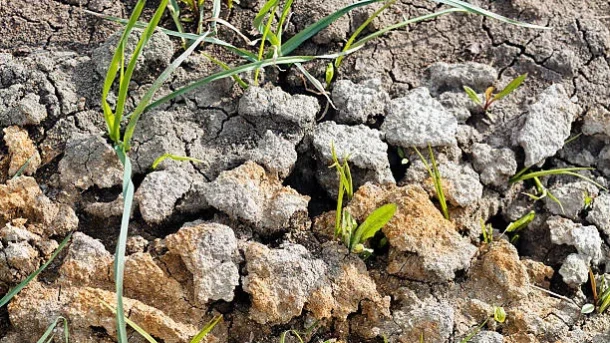
By boosting soil structure, increasing vegetation cover, and encouraging root development, biofertilizers can reduce soil erosion. When soil particles are dislodged and carried away by water or wind, soil erosion takes place, resulting in the loss of fertile topsoil and decreased soil production. Here are several ways that biofertilizers can reduce soil erosion:
Improvement of soil structure: Some biofertilizers contain advantageous microorganisms that create glue- and polysaccharide-producing chemicals. These components aid in fusing soil granules together to form sturdy soil aggregates. Because the soil particles are less likely to get separated and be swept away by erosive forces, well-aggregated soils are less prone to erosion.
Vegetation cover and root development: Biofertilizers like mycorrhizal fungi and certain plant-growth-promoting bacteria encourage root growth and the establishment of a strong root system in plants. A strong root system helps to stabilize the soil, which lessens the likelihood of erosion. Additionally, biofertilizers’ improved plant growth and increased vegetation cover shield the soil’s surface from the effects of wind and rain, reducing soil detachment.
Improvement of water infiltration: Biofertilizers that boost soil aggregation and structure also increase water infiltration. Effective soil infiltration reduces the likelihood of surface runoff, which can transport away soil particles and cause erosion.
Soil aggregation and enhanced soil structure are promoted by biofertilizers, which can assist lessen soil compaction.