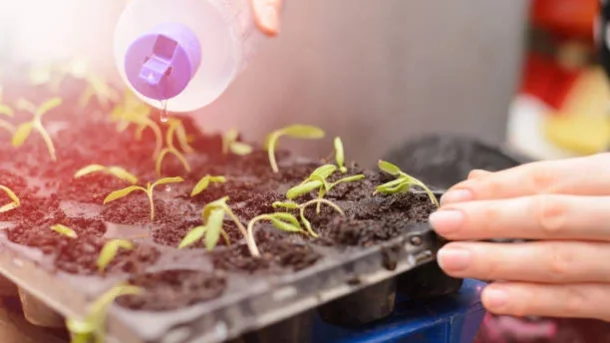
Plant growth-promoting rhizobacteria (PGPR) and biofertilizers frequently collaborate to improve plant growth and general health. Both PGPR and biofertilizers are helpful microorganisms that interact with plants, although their specific effects and modes of action can vary. Here is how rhizobacteria that encourage plant development and biofertilizers interact:
Accessibility of nutrients: Biofertilizers that increase nutrient availability in the soil include bacteria that fix nitrogen and microorganisms that dissolve phosphate. By encouraging the plant roots to absorb these nutrients, PGPR can enhance this effect. For instance, PGPR can release organic acids and enzymes to aid in the solubilization and absorption of nutrients.
Rhizobacteria that promote plant growth can improve root formation and the proliferation of root hairs. Greater root surface area as a result makes it easier for plants to absorb water and nutrients from the soil. By giving the plants more nutrients, biofertilizers can further boost root development.
Auxins, cytokinins, and gibberellins are a few examples of the plant growth-promoting hormones that some PGPR can make. These hormones influence Plant Growth and development in a variety of ways, including by encouraging root growth and improving nutrient uptake. Biofertilizers and PGPR’s can work together to promote stronger responses in plant development.