The availability, cost, and productivity of agricultural labor are all directly impacted by shifting labor demographics, which can have a considerable impact on the costs associated with agricultural output. The agriculture industry’s shifting labor demographics are influenced by a number of variables, including:
Aging Workforce: As fewer young people choose jobs in farming or agricultural labor, the agricultural workforce is aging in many places. As more seasoned workers leave, there may be a labor shortage, which could make it difficult to locate qualified replacements.
Urbanization and migration: A typical trend in many nations is rural-to-urban movement, which reduces the labor force in rural areas. Planting, harvesting, and other seasonal agricultural activities may be affected by labor shortages brought on by the migration of rural residents to urban areas.
Foreign labor: In some areas, the agricultural sector depends heavily on migrant labor, frequently from nearby nations. The availability and cost of foreign labor may change due to changes in immigration laws or economic conditions, which could affect production costs.
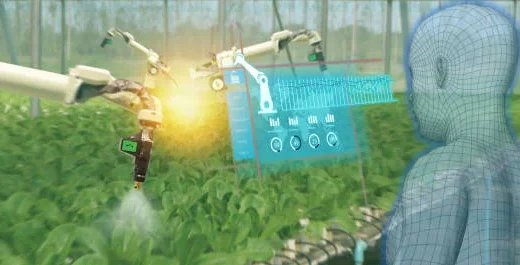
Mechanization and automation: The need for manual labor has decreased as a result of improvements in agricultural technology, such as farm machinery and automation. The necessity for human labor may decline with more mechanization, which may also result in lower labor costs.
Wages and Labor Laws: Agricultural producers’ labor expenses may be impacted by changes to labor laws, minimum wage policies, and labor restrictions. Production costs may increase as a result of higher wages or stricter labor compliance regulations.