Mechanisms for dormancy: Some seeds and plant species have internal mechanisms for dormancy that delay germination unless specific requirements are met. Hard seed coverings, chemical inhibitors, or physiological dormancy are a few examples of causes of dormancy. To break dormancy and encourage germination, specific treatments like scarification (mechanical or chemical abrasion of the seed coat) or stratification (exposure to cold temperatures) may be needed.
Temperature: The germination of seeds is greatly influenced by temperature. For optimal germination, different plant species require different temperatures. The ideal temperature range or certain temperature thresholds for seed germination may exist. While some seeds prefer cooler temps, others need warmth. If the temperature is too high or too low for a particular species, germination may be hampered or delayed.
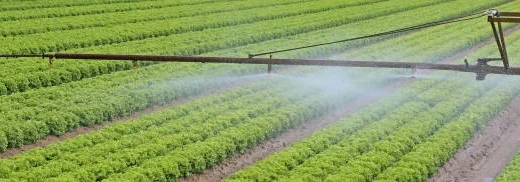
Moisture: For seeds to germinate, there must be enough moisture. The germination process in seeds is triggered by a particular moisture content. While an abundance of moisture can result in rotting, fungal or bacterial growth, and seedling damping-off, it can also delay or prevent germination. For successful seed germination, the right soil moisture levels and irrigation techniques are essential.
Light requirements: Some plant species need light to germinate, while others may need darkness. Some seeds must be exposed to light in order to germinate, and dirt might prevent this from happening. However, some seeds need complete darkness to germinate. For optimal germination, it’s crucial to understand the lighting needs of various plant species.