Temperature: A key element in determining the adaptability of a crop is temperature. Temperature requirements for the germination, development, and reproductive stages vary depending on the crop. While maize, soybeans, and cotton do better in warmer areas, crops like wheat, barley, and oats prefer cooler conditions. When choosing crops and farming that are appropriate for their region, farmers take into account the typical temperatures, seasonal changes, and frost-free periods.
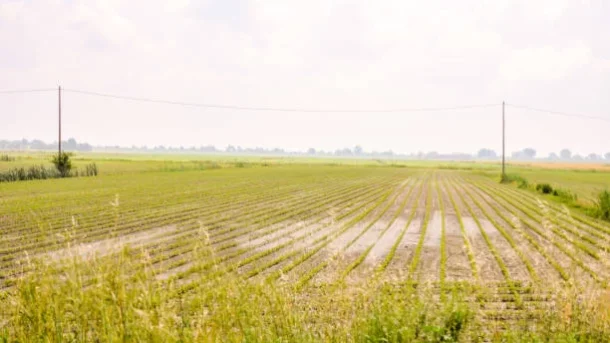
Rainfall patterns have an impact on crop choices and farming practices. Farmers chose crops and farming based on the amount and distribution of rainfall in their location since crops have different water requirements. Crops like rice and tropical fruits can be grown in regions with abundant and even rainfall. Drought-tolerant plants like sorghum or techniques like dryland farming may be used in areas with little rainfall.
Seasonal Variation: The selection of crops is influenced by the length and distribution of the growing seasons. While certain crops need extensive growth seasons free from frost, others can manage shorter growing seasons or even survive cold. When choosing crops, farmers must take the length and timing of the frost-free period into account. Crop varieties that mature quickly or early are frequently chosen in climates with brief growing seasons to assure fruitful harvests.
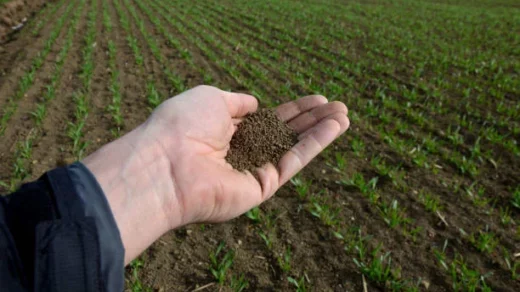
Climate has an impact on soil properties such as the availability of nutrients and moisture. Certain soil types support certain crops, while others might need particular irrigation techniques or soil supplements. Farmers choose crops that would make the most use of the available moisture based on climatic conditions like rainfall, temperature, and evaporation that affect soil moisture levels. Furthermore, climate influences weathering processes.