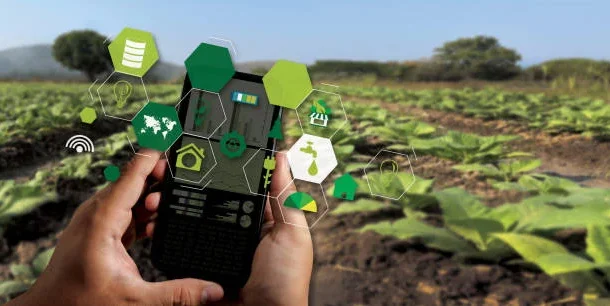
The utilization of IoT (Internet of Things) technology provides creative solutions to multiple difficulties faced by farmers and agribusinesses, which has a number of advantages for the agricultural industry. IoT technology comprises the internet-based integration of sensors, devices, and data analytics to track, gather, and analyze real-time data. IoT has the power to completely change the agricultural industry by increasing productivity, sustainability, and efficiency. IoT helps the agriculture market in the following ways:
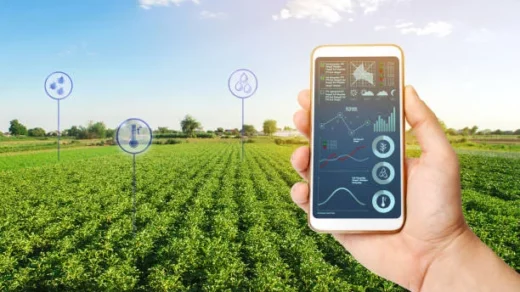
Precision Agriculture: Using real-time data, farmers can customize inputs like water, fertilizer, and herbicides to their specific needs. It is possible to precisely and effectively regulate resource use by using sensors to track soil moisture, temperature, and nutrient levels.
Real-time Monitoring: Farmers can use IoT devices to remotely and continuously monitor their crops, livestock, and environmental factors. This aids in making quick decisions and acting quickly in situations like spotting early symptoms of sickness or pests.
Water management: IoT-based irrigation systems can reduce water waste and resource consumption by delivering the appropriate amount of water to crops depending on their individual demands.
Monitoring of livestock: IoT sensors can keep tabs on the condition, activity, and position of livestock, offering information about their well-being, enhancing feeding procedures, and enhancing general herd management.
IoT weather stations capture and communicate weather data, giving farmers precise and localized weather forecasts to help them properly plan their farming activities.