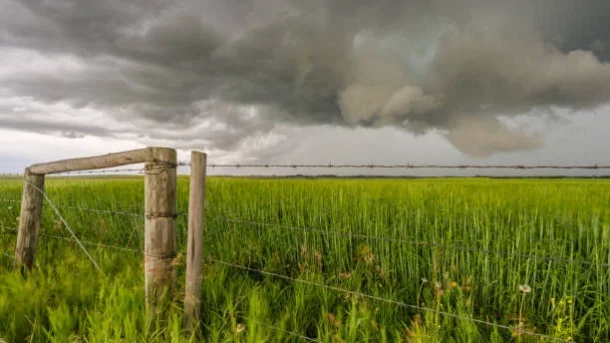
Crop Yield and Quality: Unpredictable weather patterns, such as erratic precipitation, droughts, floods, heat waves, and severe storms, can directly affect crop yield and quality. Rainfall that is too little or too much can cause water stress or waterlogging, which can have an impact on plant development and productivity. Extreme temperatures have the potential to harm crop development and lower yields. Additionally, such variations may affect the nutritive value and market price of crops.
Crop Selection and Timing: Farmers find it difficult to choose appropriate crop kinds and arrange their planting schedules due to unpredictable weather patterns. For maximum productivity and climatic compatibility, crop scheduling and selection are essential. Weather pattern changes can interfere with conventional farming methods, resulting in the selection of less-than-ideal crops and lower yields.
Outbreaks of pests and diseases: Extreme weather conditions and climate change can have an impact on the occurrence and range of invasive species, diseases, and pests. Warmer temperatures, more humidity, and irregular rainfall patterns might encourage the growth of pests and illnesses. This could affect output and profitability by causing pest outbreaks, crop damage, and a greater reliance on pesticides.
Water management: Modifying weather patterns have an impact on the management of and access to water for agriculture. Water shortages and droughts can diminish crop water availability and restrict irrigation alternatives. On the other hand, heavy rains can cause runoff, waterlogging, and soil erosion, which can be detrimental to the health of the soil and crop growth.