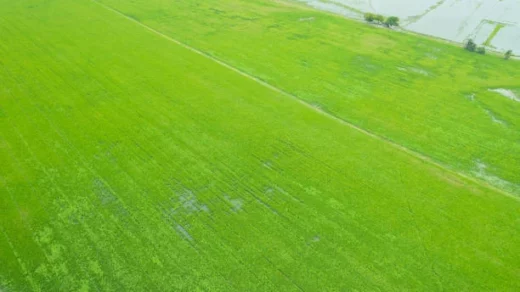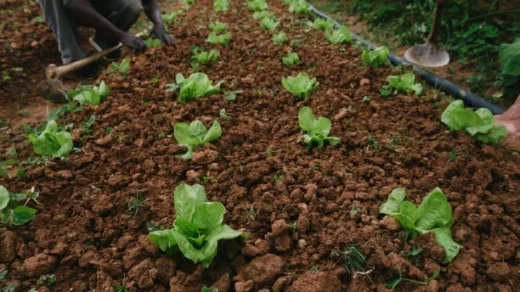
Precision Agriculture: Data-driven decision making enables farmers to use practises that allow them to target their activities and inputs to certain fields. Farmers may administer inputs (such as fertilisers, water, and pesticides) precisely where and when they are required by gathering and analysing data on soil characteristics, moisture levels, nutrient content, and crop health. This optimisation improves overall efficiency while minimising resource waste and environmental effect.
Crop management: By offering insights into crop health, growth trends, and prospective yield, data-driven decision making promotes improved crop management. Farmers can monitor crop conditions, spot early indications of illnesses or pest infestations, and spot nutrient deficits using data obtained from sensors, drones, satellite imagery, and field observations. Farmers can use this knowledge to implement timely interventions.
Farm Management and Automation: Effective farm management and automation are supported by data-driven decision making. Farmers can monitor and analyse a variety of farm operations, such as equipment usage, labour productivity, financial performance, and inventory management, using data analytics and farm management software. Farmers can detect inefficiencies, streamline processes, and make well-informed decisions about investment, expansion, or diversification with the assistance of these insights.
Continuous Learning and Improvement: Data-driven decision making encourages an agricultural culture of ongoing learning and development. Farmers can find trends, patterns, and best practises that produce better results by collecting and analysing data over time. Farmers and other interested parties can exchange this knowledge, fostering creativity, learning as a group, and the adoption of improved farming practises and technologies.