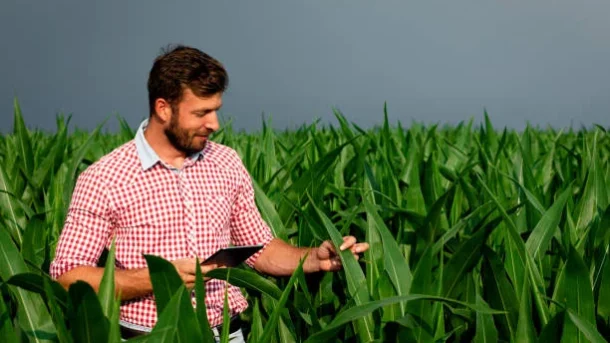
integration data from several sources, including weather stations, soil sensors, crop monitoring systems, machinery sensors, and historical records, enables farmers to do comprehensive data analysis. Farmers can make wise choices about planting, irrigation, fertilisation, and pest control by combining and analysing this data in order to acquire a thorough picture of the circumstances on their farm. Comprehensive data analysis aids in maximising yield potential, minimising waste, and optimising resource allocation.
Data integration offers real-time monitoring of agricultural operations as well as alerts. Farmers can get immediate warnings and messages about crucial aspects like soil moisture, weather, pest infestations, and equipment faults by integrating data from sensors and monitoring systems. This makes it possible to act quickly, reducing yield losses and raising operational effectiveness.
Supply Chain Optimisation: Data integration incorporates information from a wider range of sources than just the farm level. Farmers can acquire insights into market demands, pricing patterns, and logistical factors by combining data from suppliers, distributors, and marketplaces. With better planning, better inventory control, and better stakeholder coordination made possible by this information, the supply chain is eventually optimised, resulting in effective product distribution.
Decision Support Systems: The cornerstone of agricultural decision support systems is data integration. These systems employ cutting-edge algorithms and models to analyse combined data and produce predictions or recommendations. Decision support systems help farmers make data-driven decisions by offering insights and recommendations on the best crop kinds, planting dates, irrigation schedules, and pest control tactics.