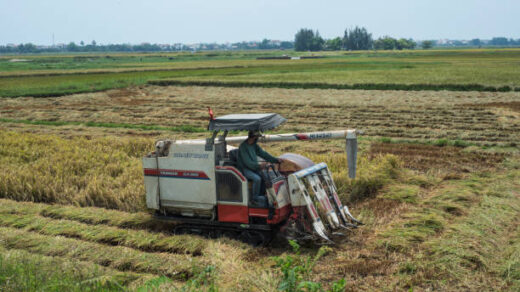
Improved Harvesting Methods: Using good harvesting methods, such as sharp instruments, timing, and handling procedures, can lessen physical harm to crops when they are being harvested. As a result, there is a lower chance of post-harvest losses from bruising, cutting, and mechanical harm.
Efficient Handling and Transportation: To avoid post-harvest losses, good handling and transportation procedures are essential. This entails making use of the suitable packaging materials, cutting down on handling distance and time, and assuring efficient loading and unloading procedures. Effective transportation systems, such as cold chain infrastructure and refrigerated vehicles, aid in preserving product quality and reducing losses during transit.
Investing in better storage facilities, such as cold storage, silos, and warehouses, can considerably lower post-harvest losses. crops against pests, pathogens, dampness, and temperature swings with the use of adequate storage facilities.
Value-Added Processing: By transforming perishable crops into processed goods with longer shelf lives, value-added processing can help reduce post-harvest losses for agricultural products. Processing methods including canning, freezing, juicing, and drying help maintain the nutritional content of crops while minimizing spoilage losses.