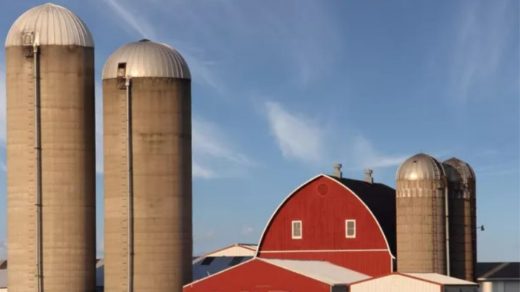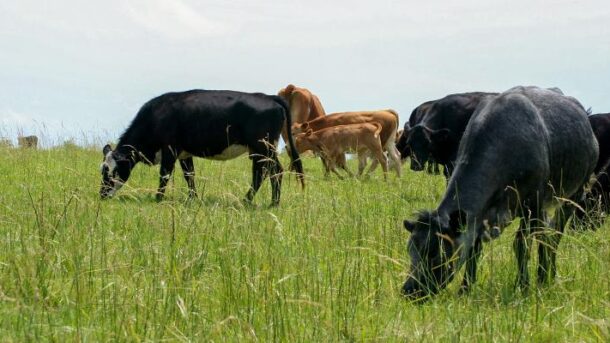
Livestock production has a significant impact on the environment, both positively and negatively. Some of the ways that livestock affect the environment include:
- Greenhouse gas emissions: Livestock farming significantly affects greenhouse gas emissions, including methane and carbon dioxide. This contributes to global warming and climate change.
- Land use: Livestock production requires large amounts of land, which can result in deforestation and loss of natural habitats. This can lead to soil erosion, loss of biodiversity, and decreased water quality.
- Water use: livestock affect production also requires large amounts of water, which can result in water scarcity and reduced water quality in areas where water is limited.
- Waste management: Livestock produces large amounts of manure, which can be a significant source of pollution if not properly managed. Manure can leach into groundwater and streams, causing environmental problems.
- Biodiversity: Livestock production can also negatively impact biodiversity, as large-scale grazing and the conversion of natural habitats into agricultural land can result in the loss of species and the degradation of ecosystems.
On the positive side, livestock can also provide important environmental benefits, such as the production of organic fertilizer, the creation of grazing lands that support wildlife, and the protection of landscapes through sustainable land use practices.