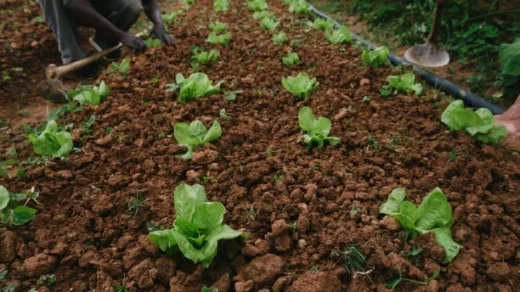
Organic weed management methods are methods that use natural or non-toxic methods to control weeds, as opposed to synthetic herbicides. Some examples of organic weed management methods include:
- Mulching: Covering the soil with a layer of organic material, such as straw or wood chips, can help to prevent weeds from growing by blocking sunlight and reducing the amount of moisture in the soil.
- Hand weeding: Regularly removing weeds by hand can be an effective way to keep them under control, especially in small gardens or areas where the use of other methods is not practical.
- Crop rotation: Planting different crops in the same area on a rotating schedule can help to disrupt the life cycle of weeds, making it more difficult for them to establish themselves.
- Cover cropping: Planting a cover crop between the main crop can help to suppress weeds by competing for resources like water and nutrients.
- Organic herbicides: Some organic herbicides are available that use natural ingredients like vinegar, citric acid, or essential oils to control weeds.
- Biological control: Using beneficial insects, predators and pathogens to control weed populations.
It’s important to note that organic weed management methods often require more time, effort, and knowledge than conventional methods, and may not be as effective in controlling weeds. Combining different methods and adapting them to the specific needs of the farm and the weeds present it is important.