What are the impacts of agricultural market fluctuations on agribusinesses?

agribusinesses

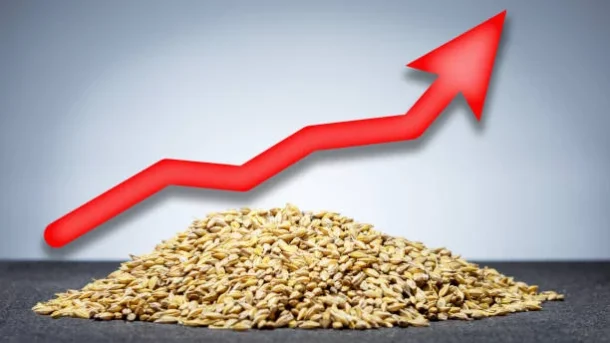
Agribusinesses may be significantly impacted by changes in the agricultural market, which may have an impact on their operations, profitability, sustainability overall, and investment choices. The agricultural market is fundamentally vulnerable to a number of factors that might change demand and affect prices. The following are some significant effects of market changes on agribusinesses:

Profitability: Market alterations can cause agricultural commodities’ prices to fluctuate. Agriculture-related firms that manufacture or sell these products may see changes in their income and profit margins. While price spikes might present possibilities for greater income, sudden price decreases can reduce profitability.

Cost of inputs: Agribusinesses frequently deal with fluctuating costs for inputs including fertilizer, seeds, insecticides, and fuel. Changes in input costs can have an effect on production costs and have a negative influence on an agribusiness’s overall profitability.

Market changes may have an impact on an agribusiness’ inventory management. When prices are high, companies could keep their stock on hand in case prices continue to rise. On the other hand, during times of low prices, they might struggle to control excess inventories.

Access to finance and funding for agribusinesses may be impacted by market changes. It may be difficult for firms to obtain loans or lines of credit for investments and operations during uncertain times because lenders may be wary.

Supply Chain Disruptions: Agricultural market fluctuations can cause supply chains to break down. Agribusinesses might have trouble finding raw materials or getting their products to clients, which would make it harder for them to meet customer demand and complete contracts.

How does the growing interest in regenerative agriculture affect market trends?

growing interest

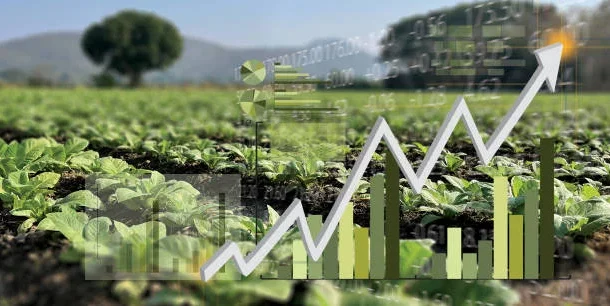
Market trends are being significantly impacted by the growing interest in regenerative agriculture as consumers, farmers, businesses, and governments increasingly grasp the potential advantages of this agricultural method. Regenerative agriculture concentrates on boosting biodiversity, restoring soil health, and sequestering carbon in an effort to build more resilient and long-lasting agricultural systems. The following are some ways that market patterns are being affected by the interest in regenerative agriculture:

Consumer Interest in Food Products Produced utilizing Regenerative Practices is Growing: There is an increase in consumer demand for products made utilizing regenerative techniques. As a result of this demand, food businesses and retailers are sourcing and promoting regenerative goods, expanding the market’s options.

Premium Pricing and Labeling: Due to their alleged benefits for the environment and human health, regenerative products frequently attract premium prices. Companies are increasingly branding their goods as “regenerative” in an effort to draw in customers who care about the environment and are willing to pay more for sustainability.

Change in Supply Chain Procedures: In order to get products from regenerative farms, food manufacturers and merchants are reexamining their supply chain procedures. Changes in sourcing practices and supplier contract requirements are being driven by this transition.

Investment in Research and Development: As regenerative agriculture has gained popularity, there has been an increase in funding for research and development with the goal of identifying and putting into practice the best techniques for enhancing ecosystem services, enhancing soil health, and boosting production.

What are the challenges in implementing traceability systems in the agricultural market?

traceability

Due to several considerations that must be taken into account, implementing traceability systems in the agriculture sector can be a complex and difficult procedure. Traceability is the capacity to monitor a product’s movement across the supply chain, from its point of origin to the ultimate consumer. While increased food safety, quality control, and market access are just a few of the advantages of traceability, there are a number of obstacles that could prevent its successful adoption. Among the principal difficulties are:

Data collection and standardization: It can be difficult to collect and manage data at multiple points in the supply chain, particularly in areas with a lack of technology infrastructure or when producers utilize various record-keeping systems. It might take a lot of time and cooperation between stakeholders to ensure data compatibility and uniformity across the supply chain.

Complexity of the supply chain: Agricultural supply chains can be very intricate, encompassing a variety of parties like producers, processors, distributors, and buyers. It may be necessary for many entities to cooperate and coordinate in order to track products through each stage of the supply chain.

Resources and Costs: Putting traceability systems into place can be expensive, especially for small-scale farmers and companies. Some stakeholders may find it difficult to use the technology because of the costs of training, upkeep, and maintenance, especially in underdeveloped nations.

Privacy and Confidentiality Issues: Traceability systems need the gathering and exchange of private information about goods and supply chain participants. To win over everyone’s trust and cooperation, it is crucial to ensure data privacy, confidentiality, and security.

How does the adoption of sustainable agricultural practices impact farm profitability?

adoption

The adoption of sustainable farming methods may have a variety of short- and long-term effects on farm profitability. Despite the fact that some sustainable approaches may initially demand greater up-front investments or modifications to farming techniques, they can eventually result in enhanced financial performance. Using sustainable agriculture methods can have the following effects on farm profitability:

Cost savings: Sustainable practices frequently place a strong emphasis on the efficient use of resources like water, energy, and fertilizers. Farmers can reduce costs and increase profit margins by maximizing inputs and minimizing waste.

Improved Soil Health: Adoption of sustainable techniques including crop rotation, cover crops, and minimal tillage encourage soil fertility. Increased crop yields and a decreased demand for expensive synthetic inputs like fertilizers and pesticides can both result from healthy soils.

Risk reduction and crop diversification are two practices that are frequently used on sustainable farms. By distributing the risks brought on by changes in the market or the weather, diversification helps lessen the impact of prospective losses.

Premium Markets: The growing desire from consumers for food that has been produced sustainably opens doors for farmers to enter premium markets. Eco-labels or sustainable certification labels may draw customers who are willing to pay more for products.

Climate resilience: Sustainable practices are frequently created to increase climate resilience. In response to harsh weather events and shifting weather patterns, farms using.

What is the role of futures contracts in mitigating price risk in the agricultural market?

futures contracts

The use of futures contracts is essential for reducing price risk in the agriculture sector. Price risk is the term used to describe the ambiguity and volatility in commodity pricing, which can have a negative impact on producers, traders, processors, and consumers. By enabling participants to fix future prices for agricultural commodities, futures contracts offer a means for mitigating this risk. Futures contracts can reduce price risk in the agriculture market in the following ways:

Price Protection: Farmers can protect themselves against prospective drops in the price of their agricultural products by using futures contracts. They can lock in a price for their upcoming harvest by selling futures contract, guaranteeing a minimum price regardless of market swings.

Market Liquidity: The standardized and liquid market for agricultural commodities created by futures contracts. The futures market’s availability of buyers and sellers guarantees that participants can enter and exit positions with ease, making it a more dependable and effective risk management tool.

Price Discovery: Trading futures contract is a part of the price discovery process. The current futures prices are a good indicator of market sentiment and supply-demand dynamics, giving agricultural producers and consumers important information to consider when making decisions.

Facilitating Long-term Contracts: Future contract offer a reference price that gives parties to long-term contracts, such suppliers and processors, more assurance and predictability when negotiating and agreeing on rates for future delivery.

How are land tenure reforms affecting agricultural market dynamics?

land tenure

Reforms to land tenure can have a considerable impact on the dynamics of the agricultural market since they have a direct impact on who owns, manages, and transfers land. The system of laws and agreements that control land usage and ownership is referred to as land tenures. Land tenure reforms can result in a number of changes in the agricultural market and are intended to solve concerns with access, security, and inequality to land. Here are some ways that land tenures reforms may impact the dynamics of the agricultural market:

Increased Investment in Agriculture: Farmers and investors may be more inclined to make long-term investments in agriculture if their land tenures is secure and formalized. Farmers are more willing to invest in enhancing land productivity, implementing cutting-edge technology, and implementing sustainable land management techniques when their land rights are well defined.

Enhanced Credit Access: Land tenure that is formally recognized can be used as collateral for credit and loans. This makes it possible for farmers to spend money on infrastructure, tools, and inputs, which boosts agricultural output and market involvement.

Transactions on the Land Market: By easing the transfer of land ownership, land tenure reforms can stimulate the land market. Consolidation of land can result in more expansive and productive farming operations thanks to a more active real estate market.

Tenure Security and Investment trust: Farmers are more willing to invest in their land and develop long-term plans when they have secure and legally recognized land tenures rights, which increases the stability and trust of the agricultural market.

Land tenure reforms that support sustainable land management practices can provide incentives for sustainable land use.

What are the potential implications of Brexit on the agricultural market?

Brexit

Brexit, the British government’s decision to leave the European Union (EU), might have a number of effects on the agricultural market, affecting a variety of elements of the sector. The following are some of the most significant potential effects:

Trade and Tariffs: Following Brexit, the UK left the Common Agricultural Policy (CAP) of the EU. Changes in trade agreements and the enactment of new tariffs or non-tariff barriers on the exchange of agricultural products between the UK and the EU may result from this. These modifications may affect the price and accessibility of agricultural products for farmers and consumers in the UK and the EU.

Supply Chains and Logistics: The new trade agreements may interfere with current agricultural supply chains and logistics, which could result in delays and higher prices for crossing international borders.

Access to Labor: Seasonal laborers from other EU nations have been a staple of the UK’s agricultural industry. Brexit might lead to harsher immigration regulations, which would impact the cost and availability of labor for harvesting and other agricultural tasks.

Standards and rules: Following Brexit, the UK will be able to establish its own agricultural standards and rules. This might result in a departure from EU norms, which might have an impact on trade agreements with the EU and other nations.

Subsidies and Support: As a result of the UK government’s withdrawal from the EU’s CAP, it is now free to create its own domestic agricultural subsidies and support initiatives.

How does the rise of urban farming impact the agricultural market?

urban farming

Urban farming is becoming more popular, and this has a big impact on the agricultural industry as well as how food is produced, distributed, and consumed. Urban farming is the activity of growing food and rearing livestock on vacant lots, rooftops, and other urban structures. The agricultural market is impacted by urban farming in the following ways:

Urban farming boosts local food production by supplying cities with fresh produce and livestock products. This can shorten the supply chain and lessen reliance on far-off rural sources.

Reduced Food Miles: Because urban farmings is situated closer to customers, less food miles are required for food to travel from farm to plate. Reduced transportation costs and positive effects on the environment, such as a decline in greenhouse

Urban farmings enables the development of a wide variety of crops, including speciality and niche types. This could increase customer options and promote culinary variety.

Food Security and Resilience: Urban farmings boosts local food availability, especially in places with limited access to fresh produce, which helps to increase food security. In situations where the food supply is disrupted, it can also increase community resilience.

Community Engagement and Social Benefits: Urban farmings fosters civic participation, educational possibilities, and interpersonal relationships. Urban dwellers gain a sense of pride and connection to food production as a result.

What are the key factors driving the demand for plant-based proteins in the market?

plant-based

The market has seen a steady increase in the demand for plant-based proteins, which is being fueled by a number of factors including shifting consumer tastes, environmental concerns, health issues, and technological improvements. The following are some major aspects influencing the need for plant-based proteins:

Consumers are increasingly looking for diets that are more balanced and conducive to their health. Due to their reduced concentration of saturated fat and potential health advantages, such as lowering the risk of heart disease and some chronic illnesses, plants-based proteins are frequently seen as healthier alternatives to animal-based proteins.

Sustainability and Environmental Awareness: Due to worries about the effects of animal agriculture on the environment, such as greenhouse gas emissions, deforestation, and water use, many customers now choose plant-based proteins as a more environmentally responsible choice.

Concerns about ethics and animal welfare have prompted some customers to prefer plant-based proteins as a method to lessen their involvement in animal suffering across the food supply chain.

Concerns concerning the sustainability of traditional livestock-based protein sources in fulfilling future food demand are raised as the world’s population continues to increase. A expanding population can be fed with more resource-effective plant-based proteins.

How does the use of mobile technology impact agricultural value chains?

mobile technology

Mobile technology is altering how information and services are accessible and provided throughout the entire agricultural industry. This has a profound influence on agricultural value chains. In the agricultural value chain, mobile technology, such as smartphones and mobile applications, improves efficiency, productivity, and transparency for farmers, agribusinesses, and consumers. Mobile technology has the following effects on agricultural value chains:

Information Access: Farmers have access to important agricultural information, including weather forecasts, market pricing, best practices, pest control strategies, and crop advisory services, thanks to mobile applications and platforms. This enhances farm management procedures and allows for informed decision-making.

Market Linkages: Mobile technology makes it easier for farmers and buyers or brokers to connect directly. Farmers’ reliance on middlemen can be reduced by their ability to obtain real-time market data, bargain prices, and even sell their produce to purchasers directly.

Financial inclusion: Farmers and agribusinesses can perform financial transactions more effectively thanks to mobile banking and digital payment systems. Receiving payments, obtaining credit, and carrying out safe and practical transactions without physically visiting financial institutions are all included in this.

This technology makes it possible to track and monitor agricultural inputs, goods, and logistics in real-time. This increases product traceability, lowers post-harvest losses, and improves supply chain visibility and efficiency.