How are digital platforms and e-commerce transforming agricultural markets?

e-commerce

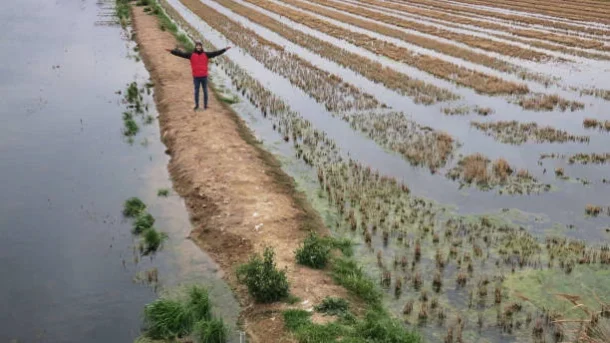
In order to interact, transact, and obtain information, farmers, buyers, and consumers now have new opportunities thanks to digital platforms and e-commerce, which is altering agricultural markets. Here are some ways that e-commerce and digital platforms are changing the world.

Market accessibility and transparency: E-commerce and digital platforms give farmers access to a wider range of markets outside of their immediate geographic area. They offer online markets that allow farmers and buyers to communicate directly, cutting out middlemen and facilitating transparent pricing. This enables producers to access a larger pool of potential clients and achieve higher rates for their produce.

Better market information is available because to digital platforms, which offer real-time data on prices, demand patterns, and supply chain dynamics. Farmers can use this information to make educated decisions about what to produce, when to sell, and where to sell it.

Streamlined logistics and distribution: By connecting farmers with transporters and logistics providers, e-commerce platforms enable effective logistics and distribution. As a result, post-harvest losses are decreased, the efficiency of the supply chain is increased, and timely delivery of agricultural products to consumers is ensured.

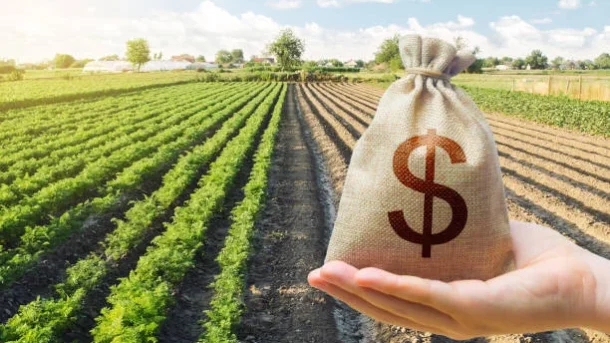
Financial services accessibility: Financial services including mobile banking, electronic payments, and credit facilities are frequently integrated into digital platforms. Farmers now have easy access to financial services, allowing them to better manage their finances and receive payments and working capital.
What are the current trends in agricultural investment and financing?

current trends

The increased understanding of agriculture’s significance in achieving food security, sustainability, and rural development is reflected in current trends in agricultural investment and financing. These significant developments.

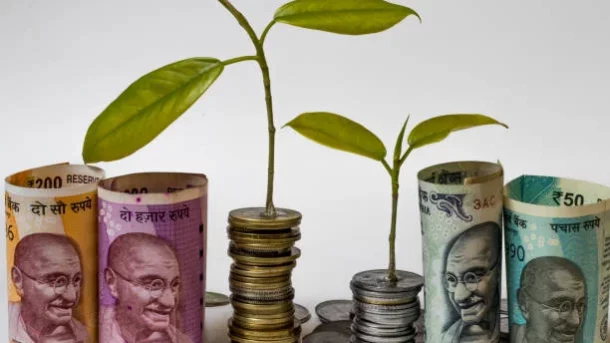
Impact investing: Current trends show a growing number of impact investors are allocating money to support food and agricultural systems. Along with financial gains, impact investment seeks to have a beneficial social and environmental impact. These investments are concentrated on fields like sustainable farming methods, smallholder support, agribusiness growth, and advancements in agricultural technology.

Climate-smart investments: Mitigation and adaptation to climate change are becoming important factors in agriculture investment. Investors are searching for projects and programmes that support climate-smart agriculture, such as agroforestry, sustainable land management, integrating renewable energy sources, and resilient farming practises. Green bonds, specialised climate funds, and climate finance structures are possible sources of funding.

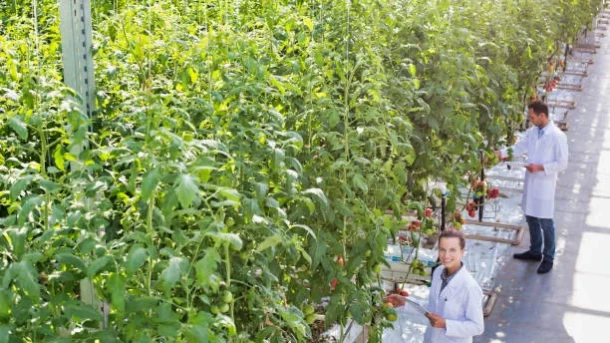
Agtech investments and digital agriculture: Agtech investments are becoming more and more popular. This involves financial commitments to robotics, drones, remote sensing, farm management software, and data analytics. Solutions for digital agriculture are thought to increase farming operations’ productivity, efficiency, and sustainability.

How are sustainable farming practices being promoted and incentivized?

farming practices

Through a combination of legislative initiatives, financial rewards, outreach initiatives, educational initiatives, and market mechanisms, sustainable farming practices are being encouraged and promoted. Here are a few of the main methods employed to promote sustainable agriculture.

Government policies and rules: Governments all over the world are putting them into practice in order to encourage sustainable agricultural methods. These can entail establishing criteria for organic farming, limiting the use of specific fertilisers and pesticides, encouraging agro ecological methods, and putting conservation programmes in place for the management of natural resources.

Financial incentives and subsidies: To encourage farmers to adopt sustainable practices, governments and organisations offer financial incentives and subsidies. Direct payments for the implementation of conservation measures, money for organic certification, grants for switching to sustainable practices, and assistance with agroforestry or reforestation initiatives are a few examples of these.

Technical support and instruction: Programmes for agricultural extension services and instruction are essential in promoting sustainable farming practices methods. Giving farmers access to research-based knowledge, training sessions, and technical support enables them to adopt and use sustainable practices successfully.

What are the implications of agricultural labor shortages and migration?

shortages

Migration and labour shortages in agriculture have substantial effects on the industry as well as society at large. Here are some significant ramifications.

Lowered agricultural productivity: Lowered agricultural output can result from a labour shortage. Farmers may experience poorer yields and financial losses as a result of delayed planting, insufficient cultivation, and incomplete harvesting due to a lack of available labour. Food security, supply chains, and food production may all be impacted by this.

Costlier production: As farmers compete for a small pool of workers, labour shortages frequently result in higher labour costs. In order to recruit and keep staff, farmers may need to give greater wages or additional incentives, which will increase the cost of production. Increased labour costs may affect agricultural product affordability, competitiveness, and farm profitability.

Mechanisation of agriculture and changes in agricultural practises: Labour shortages may lead to the adoption of labor-saving technologies. To compensate for labour shortages, farmers may invest in machinery, automation, and robots. While mechanisation can boost productivity and efficiency, it may also need for financial outlays, specialised knowledge, and changes to standard farm management procedures.

Dependence on migrant labour: In many areas, the lack of agricultural labour is alleviated by hiring migrant workers, frequently from foreign nations. Seasonal labour shortages in agriculture are largely met by migrant labour. However, relying heavily on migrant labour may present problems with regard to worker protections, labour laws, social integration, and issues with immigration law and policy.

How is urban agriculture gaining momentum in addressing food security?

urban agriculture

Increased food production: Urban agriculture reduces the distance between food sources and consumers by bringing food production closer to urban areas. Particularly in regions with limited access to fresh and wholesome products, this localised production aids in ensuring a more constant and dependable food supply. Urban agriculture boosts the overall capacity for food production in cities by utilising underutilised urban areas including roofs, vacant lots, and community gardens.

Access to food is improved: Urban agriculture improves food access for urban inhabitants, especially in low-income areas and food deserts where there are few fresh, healthy food options. Urban agriculture promotes the availability of fresh vegetables at reasonable rates while reducing reliance on lengthy supply lines. Farmers’ markets, urban farms, and community gardens offer immediate access to wholesome food.

Diversification of food sources: Encouraging the development of a variety of crops, which helps to diversify food supplies. This diversity boosts the availability of a wide range of fresh produce while reducing reliance on a small number of basic crops. It supports a diet that is more nutritious and well-balanced, addressing nutrient inadequacies and enhancing overall food security.

Urban agriculture can increase resilience to shocks like climate change and others that might disrupt traditional food supply lines. Cities can reduce the dangers brought on by severe weather, traffic jams, and fluctuating food prices by cultivating food locally. City residents have the chance to learn about environmentally friendly farming methods, promoting self-reliance and resilience.

What are the challenges and opportunities in agricultural research and development?

agricultural research and development

Agricultural research and development (R&D) presents a variety of opportunities as well as obstacles. Here are some major issues and chances in agricultural research and development.

Feeding a growing population: With the expectation that there will be approximately 10 billion people on the planet by the year 2050, agricultural R&D must find ways to increase food production in order to keep up with the demand. To achieve this, high-yielding, climate-resilient, nutrient-dense crop types must be created, along with efficient and sustainable production methods.

Climate change and environmental sustainability: Climate change has an impact on agriculture, including altered weather patterns, a rise in the frequency of extreme weather, and altered dynamics of pests and diseases. To reduce greenhouse gas emissions, protect natural resources, and improve ecosystem health, agricultural research and development must create climate-smart practises, robust crop types, and sustainable production methods.

Resources: The difficulty of resource limits, such as land availability, water scarcity, and deteriorating soil fertility, must be addressed by agricultural R&D. For agriculture to be sustainable, it is essential to develop methods and technology that maximise resource utilisation, encourage effective irrigation, improve soil health, and make use of marginal lands.

Development of efficient and long-lasting strategies for managing pests and diseases is a challenge for agricultural R&D. Pests and diseases can significantly lower crop quality and diminish yields. To create integrated pest management plans, resistant crop varieties, biocontrol tactics, and diagnostic tools for early diagnosis and efficient management, research is required.

How is the use of pesticides and fertilizers being regulated and monitored?

pesticides

Through a combination of national and international regulatory frameworks, enforcement tactics, and monitoring programmes, the use of pesticides and fertilisers is controlled and monitored. Here are some essential components of the regulation and oversight of pesticides and fertilisers.

Regulatory frameworks: To regulate the registration, resale, and use of pesticides and fertilisers, various nations have put in place regulatory frameworks. These frameworks commonly consist of laws, rules, and policies that establish requirements for product safety, labelling specifications, application procedures, and allowable levels of pesticide residues or nutritional content in agricultural goods. The execution of these regulations is supervised by regulatory authorities, such as the Environmental Protection Agency (EPA) in the United States.

Pesticides and fertilisers must go through a rigorous registration process in order to be marketed and used legally. The provision of scientific data on product effectiveness, safety, and environmental impact is expected from manufacturers and distributors. These data are evaluated by regulatory bodies to ascertain if the products comply with the requirements for registration. Identifying suitable circumstances of usage and evaluating potential dangers connected to product use are both part of the registration procedure.

Labelling requirements: Labelling laws apply to pesticides and fertilisers in order to give users crucial information about how to use them safely and effectively. Application instructions, cautions, handling and storage recommendations, safety information, and environmental danger alerts are frequently found on labels. Additionally, labels may contain details on suggested application rates, scheduling, and targeted pests .

What are the recent advancements in agricultural biotechnology?

advancements in agricultural

Recent advancements in agricultural biotechnology have the potential to drastically alter agricultural practices. These significant changes are listed below.

Genome editing: The world of biotechnology has undergone a transformation thanks to genome editing tools like CRISPR-Cas9. These techniques make it possible to precisely alter an organism’s genetic makeup, allowing for targeted modifications to particular genes. Genome editing in agriculture has the potential to produce crops with enhanced features, such as higher yields, better nutritional value, disease resistance, and resistance to environmental pressures.

Gene stacking is the process of integrating several advantageous genes into a single crop variety. Using this method, it is possible to simultaneously incorporate several advantageous qualities into a single crop, such as insect resistance, herbicide tolerance, and disease resistance.

Synthetic biology: To develop and build novel biological components, technologies, and systems, advancements in agricultural in synthetic biology blends biology, engineering, and computer science. Synthetic biology has the potential to produce bio-based chemicals, enzymes, and other substances with added value in the field of agriculture. It also provides chances to modify microorganisms and crops for better nutrient uptake, greater productivity, and environmental sustainability.

RNA-based vaccinations: With the introduction of COVID-19 vaccines, RNA-based vaccines have attracted a lot of attention recently. RNA-based vaccinations in agriculture have the ability to manage and prevent livestock diseases like foot-and-mouth disease or avian influenza. Compared to conventional vaccine production techniques, this strategy has advantages in terms of speed, scalability, and adaptability.

How are farmers adapting to water scarcity and drought conditions?

drought

Soil moisture monitoring: Farmers monitor soil moisture levels and water availability, drought in real-time using sensors and monitoring systems. They can use this information to decide when and how much water to apply with confidence. Farmers may optimise water use and save waste by staying away from over-irrigation and making sure that water is applied only when necessary.

Crop rotation and selection: Farmers rotate their crops and pick crop varieties that are more resilient to water scarcity in arid climates. Crops that can withstand drought, such as some types of sorghum, millet, and some legumes, are grown in regions where water is scarce. Crop rotation practices reduce the overall need for irrigation by alternating crops with differing water requirements, which contributes to efficient water resource management.

In order to adapt to the water shortage and drought circumstances, farmers are using a variety of tactics and using cutting-edge practises. In difficult water-scarce conditions, these modifications seek to maximise water use, increase water efficiency, and preserve agricultural productivity. Here are some crucial strategies that farmers are using.

Modern irrigation techniques that maximise water efficiency are being adopted by farmers more and more. For instance, drip irrigation provides water straight to plant roots, minimising runoff and lowering water loss due to evaporation. In order to focus water application more accurately and make sure that water reaches the crops successfully, other techniques are also utilised, such as sprinkler irrigation, precision sprinklers, and micro-sprinklers.

How are agricultural subsidies and support programs changing globally?

Global interests, trade agreements, and the requirement to address numerous issues in the agricultural sector are driving changes in agricultural subsidies and support programmes. Here are some noteworthy developments and trends in agricultural assistance and subsidy schemes.

Focus shifting to sustainability: Through incentives and support initiatives, sustainable agriculture practices are being promoted more and more. The adoption of ecologically friendly farming techniques like organic farming, agroecology, conservation agriculture, and the utilisation of renewable energy sources is increasingly being encouraged by governments. Subsidies are frequently associated with particular sustainability results, including lowering greenhouse gas emissions or enhancing soil health.

Direct payments and income support: Several nations have moved away from production-based subsidies and towards more direct payments and income support initiatives. Governments are implementing programmes that offer financial aid to farmers based on variables like farm size, historical income, or environmental stewardship rather than offering subsidies connected to particular crops or production levels. With less production distortion and more support for diversification, this change intends to give farmers stability and financial support.

Governments are putting more emphasis on risk management and insurance programmes to assist farmers in reducing the effects of unforeseen catastrophes like natural disasters, market volatility, or crop failures. These initiatives offer monetary security and stability, enabling farmers to control risks and bounce back from setbacks.