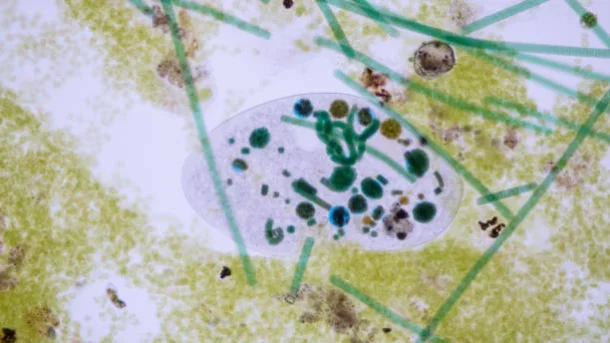
The most prevalent type of microorganism in soil is bacteria. Among the helpful bacteria are:
In symbiotic partnerships with leguminous plants, nitrogen-fixing bacteria Rhizobium and Bradyrhizobium transform atmospheric nitrogen into a form that plants may use for growth. This biological nitrogen fixation improves soil fertility while reducing the requirement for manufactured nitrogen fertilizers.
Bacteria that solubilize phosphorus in soil: Some bacteria, including Pseudomonas and Bacillus species, may accomplish this, increasing the availability of phosphorus to plants. They help plants develop and absorb phosphorus more effectively.
Bacteria that promote plant development: Some bacteria, such as the Azospirillum and Bacillus species, can promote plant growth through a variety of methods, such as the creation of chemicals that promote growth, the mobilization of nutrients, and the suppression of disease.
Fungi: Fungi are essential for the breakdown of organic materials and the cycling of nutrients. Fungi that are useful include:
Fungal mycorrhizae: Both ectomycorrhizal (ECM) and arbuscular (AM) mycorrhizal (AM) fungi create symbiotic relationships with plant roots. They increase nutrient and water intake, notably phosphorus, by expanding the root system. Plants provide the fungal glucose in exchange. Mycorrhizal fungi boost plant stress tolerance, increase nutrient availability, and aid in soil aggregation.
Fungi that decompose material: Fungi that decompose material break down complex organic stuff, such as dead plant matter, into simpler components. This procedure improves soil structure and nutrient availability by releasing nutrients back into the soil and encouraging the production of humus.