Early detection and efficient control of plant diseases have tremendously benefited from improvements in plant disease detection and management approaches. Here are a few noteworthy developments in this area:
Molecular diagnostic tools: The identification of plant diseases has been revolutionized by molecular methods including DNA sequencing, real-time PCR, and polymerase chain reaction (PCR). These instruments use specific DNA or RNA sequences to quickly and precisely identify infections. They make it possible to diagnose diseases early, even before they show any outward signs, allowing for prompt disease management approaches.
Technologies for remote sensing and imaging: Plant diseases are being found over wide areas using remote sensing methods, such as hyperspectral imaging and unmanned aerial vehicles (UAVs or drones). These technologies are able to recognize tiny alterations in plant health and early disease indications.
Plant breeding programmes concentrate on creating disease-resistant crop types using either traditional breeding methods or genetic engineering. Breeding for resistance entails locating and introducing into crop kinds the genes that provide resistance to particular diseases. Disease-resistant cultivars offer long-term, sustainable options for managing diseases while reducing the need for chemical pesticides.
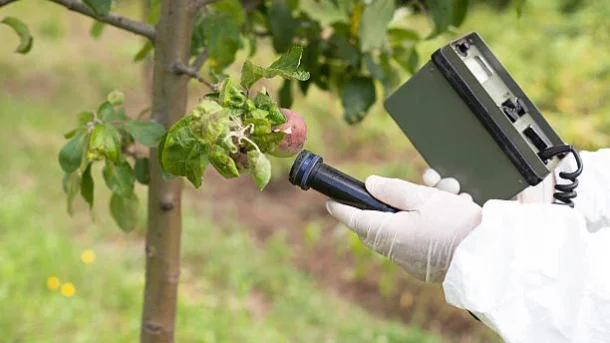
Technologies for precision agriculture and sensors are being utilized to manage disease. Examples include sensors, data analytics, and automation. Moisture content, nutritional levels, and disease markers are just a few of the factors that soil and plant sensors may assess. By using the information gathered from these sensors, irrigation, fertilization, and pesticide applications may be made more effective, which will help with disease prevention and resource management.