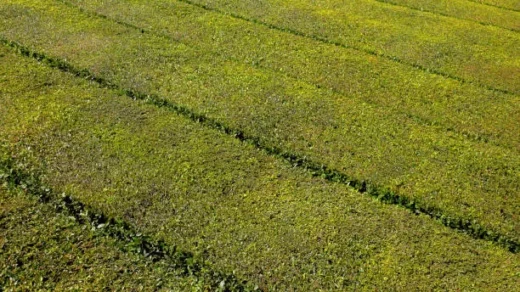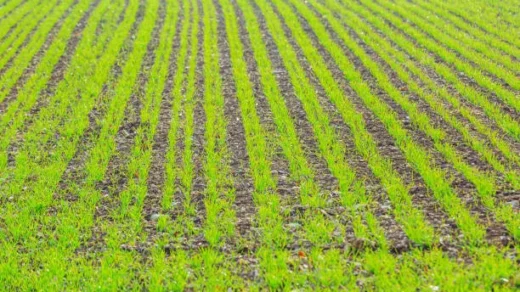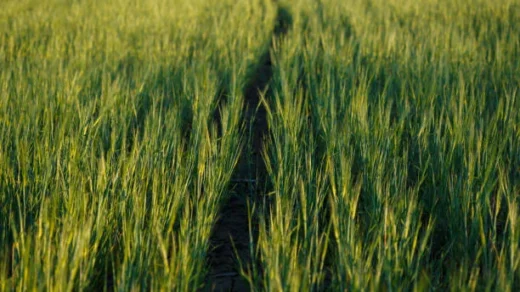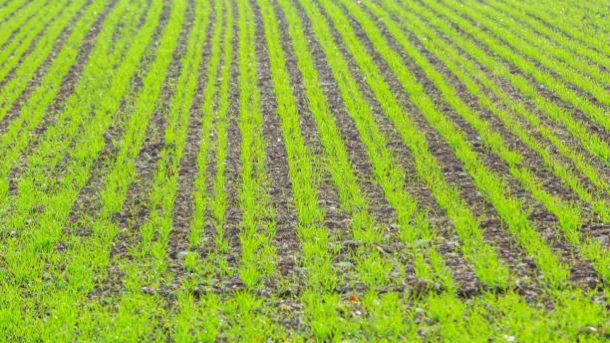
Cover Cropping: To cover and protect the soil, particular plant species are typically planted, either in between cash crops or during fallow times. Through this technique, soil structure is enhanced, organic matter content is increased, erosion is decreased, water infiltration is improved, and habitat for beneficial creatures is created. The creation of cover crop mixtures adapted to particular soil and climatic conditions as well as the use of precision planting methods for the best cover crop establishment are examples of advancements.
Reduced or no conventional plowing or tilling is used in conservation tillage techniques to lessen soil disturbance. This maintains soil structure, reduces erosion, boosts water retention, and encourages microbial activity. Development of specialized tools and methods, like strip tillage and no-till planting, are among the conservation tillage advancements.
Precision nutrient management and soil testing: Soil testing has evolved with the use of cutting-edge analytical techniques to more precisely analyze soil fertility and nutrient levels. Precision nutrient management approaches, such as site-specific nutrient recommendations and variable rate fertilizer application, aid in maximizing nutrient usage effectiveness, minimizing nutrient losses, and minimizing environmental effects.