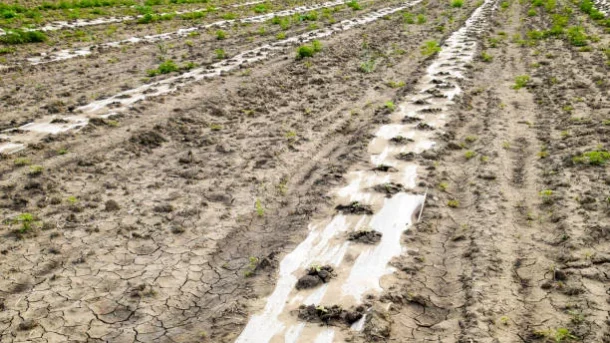
Weather patterns are becoming more unpredictable and unstable as a result of change climatic conditions. Changing rainfall patterns, temperature swings, and extreme weather events like droughts, floods, storms, and heatwaves may be difficult for farmers to foresee and plan for. Making informed choices about planting, irrigation, pest control, and other farming operations is challenging due to these uncertainties.
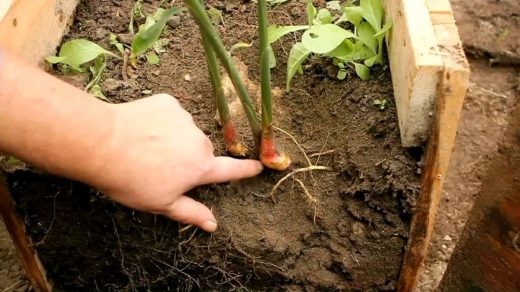
Selection of Crops and Varieties: Due to shifting climatic conditions, farmers may need to reevaluate the suitability of their present crop selections and varieties. While switching to new crops or varieties might be difficult due to issues including market demand, access to seeds, the availability of agronomic information, and farmers’ familiarity with new crops, some crops and varieties may be better suited to new climatic conditions.
Water management: The availability of water and irrigation techniques are impacted by climate change. Changes in rainfall patterns can lead to either a lack of water or an abundance of rain, both of which present difficulties for managing water in agriculture. To adjust to shifting water availability, farmers may need to apply new irrigation techniques, water conservation measures, and infrastructure investments for water storage.
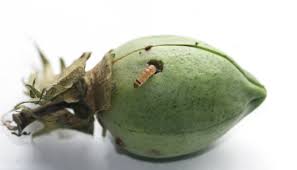
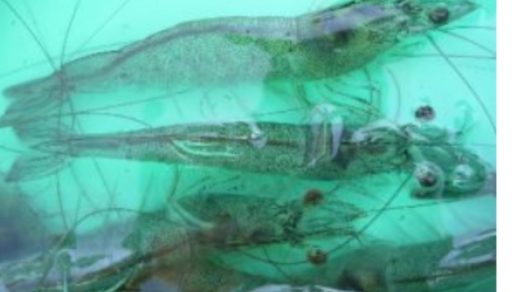
Pests and diseases: Changes in climate can affect the dynamics of pests and diseases, changing their frequency, severity, and range. Farmers may experience difficulties controlling newly developing pests and diseases because conventional pest control techniques may become ineffective or call for changes. For effective management and prompt action, it becomes essential to monitor and stay informed about evolving pest and disease patterns.