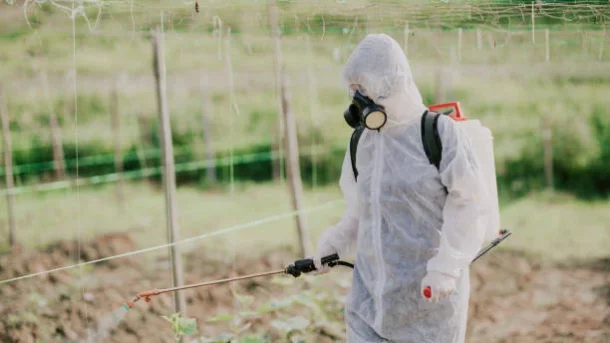
IPM, or integrated pest management, is a method that effectively manages pests and illnesses while using less pesticides than other pest control techniques. It holistically combines biological, cultural, physical, and chemical control techniques. IPM places a strong emphasis on prevention, monitoring, and threshold-based decision-making with the goal of bringing pest populations down to levels that are both environmentally responsible and economically viable.
Biological control: Biological control refers to the management of pest populations through the use of natural enemies including beneficial insects, predatory mites, and microbiological agents. This strategy promotes the preservation and improvement of pests’ natural adversaries and their habitats. The release of advantageous organisms, the modification of habitats, and the application of microbial biopesticides are examples of biological control techniques. A further benefit of fostering biodiversity in agricultural areas is
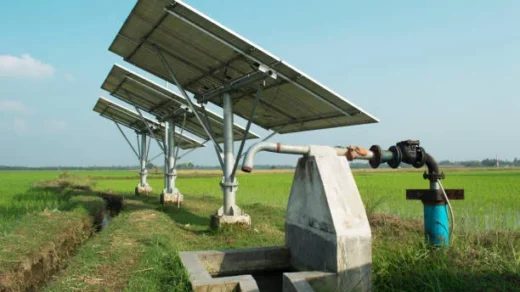
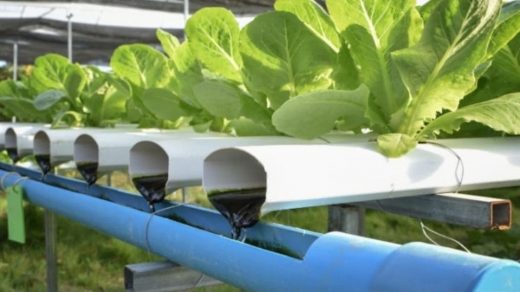
Cultural and agronomic methods: By making conditions undesirable for pests or boosting crop resistance, cultural and agronomic practices can help prevent pest and disease outbreaks. Crop rotation, intercropping, the use of resistant cultivars, maintaining optimum plant nutrition, maximizing irrigation and water management, and choosing the right planting densities are some of these methods. These procedures help to control pests and diseases by enhancing plant health and developing diversified agroecosystems.
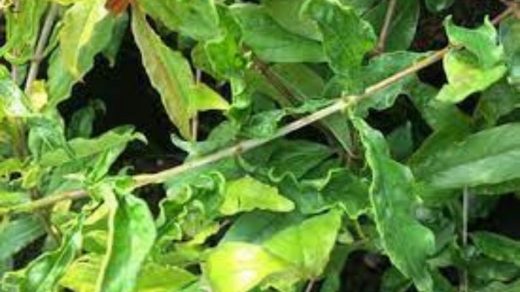
Plant breeding is essential for creating crop varieties with innate resistance to diseases and pests. Resistant Varieties and Breeding Programs. Breeding initiatives concentrate on locating and incorporating resistance-related genetic characteristics into commercial cultivars. Farmers can lessen the requirement for chemical pesticides and the danger of crop losses from pests and illnesses by utilizing resistant types. Efforts