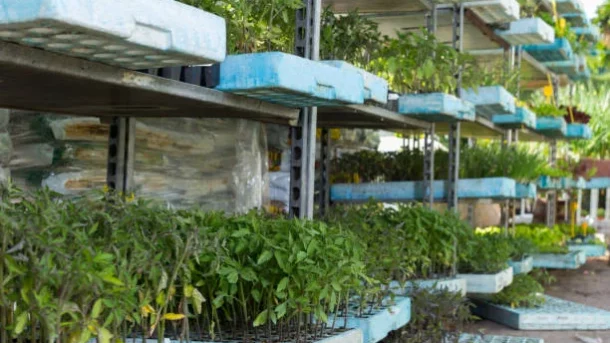
Several elements that make this cutting-edge agricultural method more appealing to farmers, investors, and consumers are behind the development in vertical farming. The following are some of the main causes of the development of vertical farming:
Limited Arable Land: Due to urbanization, soil deterioration, and other factors, there is a decreasing amount of arable land available. When opposed to conventional horizontal farming techniques, vertical farming enables agriculture to be carried out in vertical stacks or levels, using less area.
Urbanization and Population Growth: As the world’s population continues to rise and more people live in cities, there is a rising need for fresh produce that is cultivated nearby. Urban populations can obtain fresh produce from vertical farms that can be erected in or close to cities, cutting down on transit costs.
Climate Change and Extreme Weather Events: As the frequency of extreme weather events like droughts and floods rises, climate change causes problems for traditional agriculture. Vertical farms provide improved climatic resilience and protection against inclement weather because they frequently operate in controlled surroundings.
Water conservation: When compared to conventional open-field agriculture, vertical farming uses much less water thanks to its sophisticated irrigation systems. By precisely delivering water to plant roots, methods like hydroponics and aeroponics help to reduce water waste.
Production All Year Long: Vertical farms may run all year long, regardless of the seasons or the weather. A consistent supply of fresh vegetables is ensured by this ongoing production throughout the entire year.