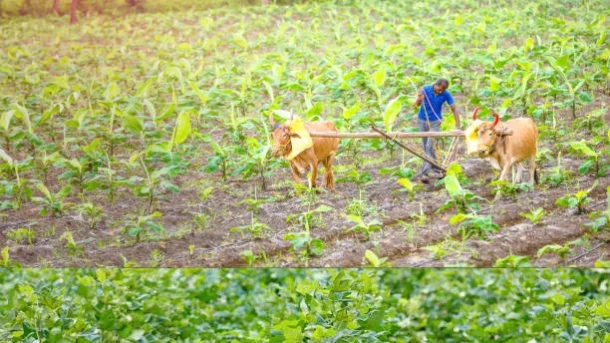
Smallholder farmers in developing nations may experience both positive and negative effects from trade liberalization, which entails lowering trade barriers. Depending on variables including the specific trade regulations, the structure of the agricultural industry, and the ability of farmers to adjust to shifting market conditions, different smallholders may experience different consequences from trade liberalization. Among the effects of trade liberalization on smallholder farmers are the following:
Optimistic Effects;
Access to New Markets: Trade liberalization may present smallholder farmers with new export prospects. They can offer their goods to a larger consumer base thanks to access to foreign markets, which could boost their income and enhance their standard of living.
Higher Prices for Exports: As a result of trade liberalization, smallholder farmers may see an increase in the price of their commodities intended for export because they may now compete on the global market without being burdened by high tariffs or other trade restrictions.
Adverse effects;
Import competition: Trade liberalization may result in an influx of less expensive imports, which may put locally produced goods in competition. Smallholder farmers who are unable to compete with imported goods with cheaper prices may experience difficulties and lower incomes.
Smallholders could become more vulnerable to global price variations, which could cause income fluctuations. Their ability to maintain their financial stability may suffer if agricultural prices fall globally.