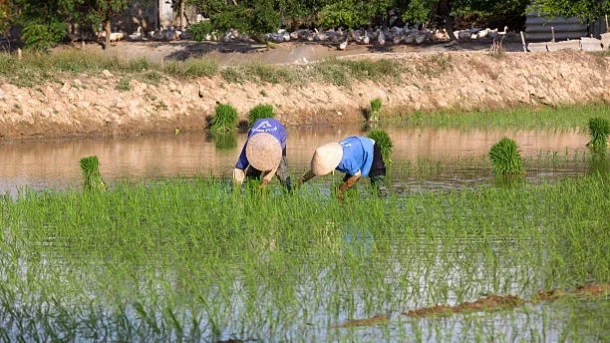
Limited Access: Small-scale farmers frequently lack access to crucial resources including land, water, and money. They are unable to expand their farming operations or make investments in cutting-edge agricultural products and technologies because they lack access to loans and secure land tenure.
Climate Change and Environmental Risks: Small-scale farmers are especially susceptible to the effects of climate change, which might include unexpected weather patterns, droughts, floods, and outbreaks of pests and diseases. Crop failure, animal losses, and decreased agricultural production can result from these environmental threats.
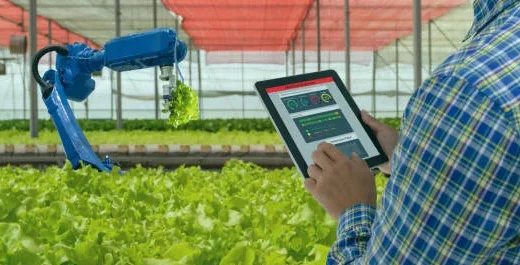
Lack of Technological Advancements: Access to cutting-edge agricultural technologies, machinery, and equipment is frequently limited for small-scale farmer. Their inability to embrace innovative approaches is hampered by a lack of information and training on better farming practices, which lowers their production and competitiveness.
Market Access and Price Volatility: Small-scale farmers frequently encounter difficulties finding dependable markets and promoting their products. They are more vulnerable to pricing volatility, unfair trading practices, and market swings due to their weaker negotiating position and lack of market knowledge, which lowers their revenues and profitability.