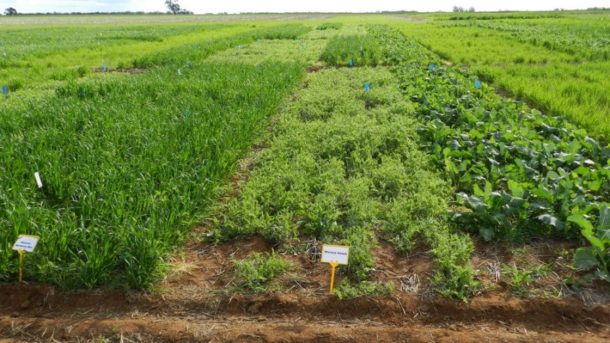
Choice of the brown manure crops is important as severe competition with main crops could cause detrimental effects and result in yield penalty. Ideally, the main crop and brown manure crops should have complementary resource use and niche differentiation in space and time to achieve optimisation in resource use. Crop species that are able to fix atmospheric nitrogen and help to maximize weed control while minimizing input cost and risk are the best suited ones. Other preferred criteria are affordability and easy availability of seeds, rapid crop growth and high dry matter production in less span of time, high competitiveness with target weeds, high ground cover to conserve moisture and reduce wind erosion.
Leguminous crops which fix nitrogen into the soils along with addition of organic matter are preferably used, such as dhaincha, sun hemp and cowpea; whereas the non-leguminous crops such as niger and wild indigo which provide only organic matter are less used. The combination of cereal and legume is considered ideal because cereals can utilize a portion of the nitrogen biologically fixed by legumes and the combination may provide multiple benefits like enhancement of yield, maintenance of soil fertility and production sustainability along with greater ecosystem services.