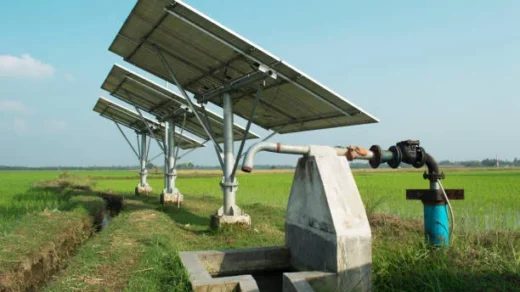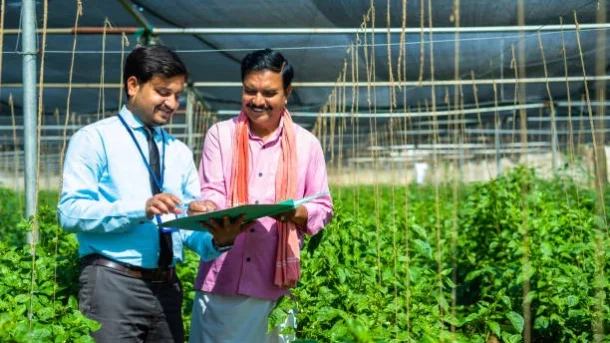
Limited capacity for investment: Farmers’ ability to invest in their agricultural enterprises is constrained by a lack of access to finance and financial services. Farmers might find it difficult to afford basic inputs like seeds, fertilizer, equipment, and irrigation systems. They could also encounter challenges while implementing new technology, enhancing infrastructure, growing their business, or diversifying their crop production. Farmers’ ability to boost production, improve efficiency, and take advantage of market possibilities is hampered by inadequate investment capacity.
Low productivity and stagnation may result from farmers’ inability to finance the improvements they need to make to their operations. They might only be able to use outmoded farming techniques, poor-quality inputs, or inadequate machinery. This may lead to poorer agricultural yields, decreased profitability, and constrained future expansion. Farmers are hampered by inadequate financial resources.
Agriculture is intrinsically exposed to a range of risks, including those related to the weather, pests, diseases, and market volatility. Farmers are ill-equipped to deal with and recover from such shocks because they have little access to credit and financial services. They might not have the money to invest in risk reduction measures, buy crop insurance, or employ alternative techniques in trying times. Due to this sensitivity, there may be more financial strain, crop failures, and challenges with rebounding from setbacks.
Limited use of technology and innovation: Access to financing and financial services is essential for promoting the use of new agricultural technologies and innovations.
Inequality and exclusion: Small-scale and marginalized farmers frequently suffer disproportionately from inadequate access to credit and financial services because they may have insufficient collateral, poorer creditworthiness, or inadequate financial literacy. As a result, the agricultural industry becomes even more unequal as larger farmers or agribusinesses with better access to credit gain a competitive advantage and small-scale farmers struggle to get the resources they require. Rural-urban inequities are made worse and poverty is perpetuated by denying vulnerable farmers access to banking services.