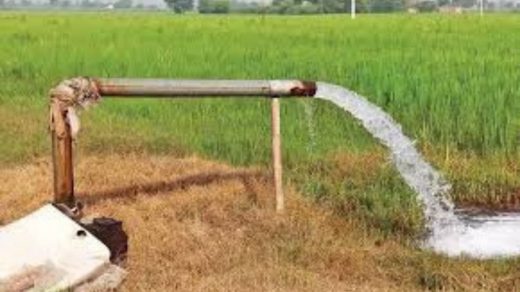
Surface Irrigation: This method involves flooding or furrowing the fields to allow water to flow across the surface and infiltrate into the soil. It is one of the oldest and simplest irrigation methods but can be inefficient due to water loss through evaporation and runoff.
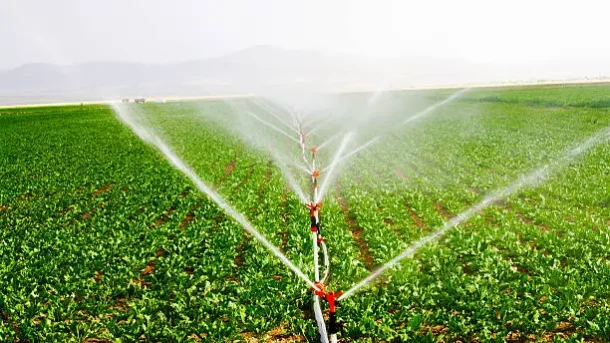
Sprinkler Irrigation: Sprinkler systems distribute water through a network of pipes with sprinkler heads that spray water over the crops. This method can be used for both field and orchard crops, and it provides more uniform water distribution compared to surface irrigation. However, it may be prone to water loss due to evaporation and wind drift.
Drip Irrigation: Drip irrigation involves the application of water directly to the plant roots through a network of tubes or pipes with emitters or drippers. This irrigation methods deliver water in a controlled and precise manner, reducing water waste and maximizing water use efficiency. It is particularly useful in arid regions or for water-sensitive crops.
Subsurface Irrigation: Also known as subsurface drip irrigation , this technique involves placing drip lines or tapes below the soil surface to deliver water directly to the plant root zone. Subsurface irrigation helps minimize water loss due to evaporation and reduces weed growth since the surface remains dry.
Center Pivot Irrigation: This method is commonly used in large-scale agriculture. A central pivot system rotates around a pivot point, irrigating a circular area. Sprinklers mounted on the system deliver water as the pivot moves, covering a large area efficiently. It is often used for row crops and can be automated for precise control.