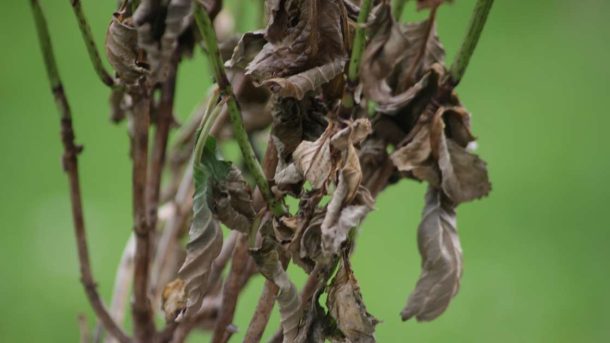
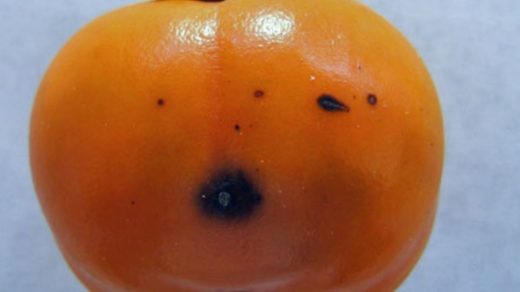
Necrosis are death of plant tissues, particularly leaf tissue is caused by deficiency of K, Ca, Mg. Necrosis usually occurs in a specific area, like leaves, roots or stems. Often associated with bacteria, viruses, fungi or parasitic insects, necrosis can also be caused by watering plants too much or too little, lack of nutrients or improper amounts of sunlight. Conditions leading to necrosis depend on the plant species, as tolerances to diseases and requirements for sunlight, water and nutrients vary widely across the plant kingdom. Resulting from the death of plant cells, usually turns the dying plant parts brown or black. Often beginning at the tips of leaves, ends of roots or stems, necrosis spreads from those points if the cause of the tissue death is not addressed. Necrosis can also affect plant flowers and fruits, which may result in the complete loss of the crop if the issue is not solved.
What is necrosis in plants?