India’s government launched the National Mission on Oilseeds and Oil Palm (NMOOP) with the goal of encouraging the growth of oilseed and oil palm plantations to boost local oilseed production and lessen the nation’s reliance on imports. The objective is to improve India’s overall oilseed production situation while increasing the yield and profitability of oilseed crops.
The National Mission on Oilseeds and Oil Palm has several main goals, including:
An increase in oilseed production is one of the goals of the NMOOP, which includes peanut, soybean, rapeseed, mustard, sunflower, and sesame as examples of crops. The goal is to increase crop productivity by implementing better agricultural methods, offering high-quality seeds, encouraging balanced nutrient management, and embracing contemporary technologies.
Increasing oilseed production: The National Mission on Oilseeds and Oil Palm NMOOP places a strong emphasis on the use of best management methods to raise oilseed crop yield. The utilization of high-yielding varieties, effective irrigation systems, integrated fertilizer management, successful pest and disease management strategies, and post-harvest management approaches are some examples of this.
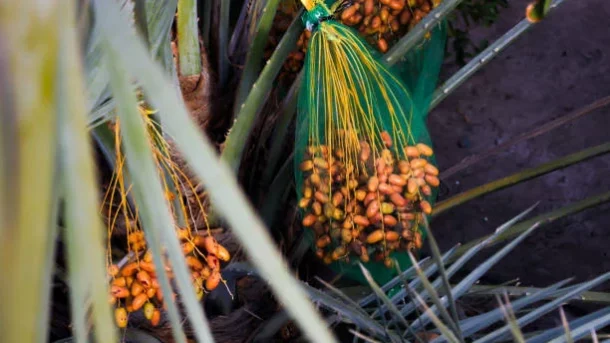
Promoting oil palm cultivation is another goal of the mission, which is targeted at areas with the right agroclimates in the nation. Palm oil, an important vegetable oil used in cooking, food processing, and a variety of industries, is produced by oil palm, a high-yielding crop. The NMOOP seeks to expand the area under oil palm cultivation and enhance oil palm plantation output.