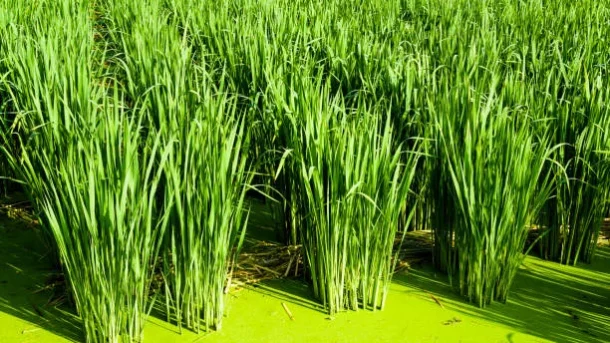
By enhancing soil fertility, nutrient availability, and sustainable crop production, cyanobacteria-based biofertilizers are beneficial to agriculture. A class of photosynthetic microbes known as cyanobacteria are able to fix atmospheric nitrogen and carry out photosynthesis in a manner comparable to that of plants. In agriculture, cyanobacteria-based biofertilizers have the following role:
Nitrogen Fixation: One of the main functions of biofertilizers based on cyanobacteria is nitrogen fixation. Heterocysts, specialized cells found in cyanobacterias, are capable of fixing atmospheric nitrogen into an ammonia-like compound that plants may utilize. This technique is comparable to the ability of other biofertilizers, such as rhizobia bacteria in legumes, to fix nitrogen. By providing a natural and sustainable source of nitrogen without the need of synthetic nitrogen fertilizers, cyanobacterias help increase the soil’s nitrogen content, which benefits crops.
Cyanobacteria-based biofertilizers can improve the fertility and structure of soil. Cyanobacterias fix nitrogen, enhancing the soil’s nutritional level and promoting crop growth. In addition, their presence and development help to create soil aggregates, which improve soil structure, water retention, and aeration, promoting improved root growth and soil health in general.
Organic Matter Contribution: As cyanobacteria-based biofertilizers develop and naturally decompose, they add to the organic matter content of the soil. In addition to enhancing soil fertility and supporting advantageous microbial activity, increased organic matter content also supports nutrient cycling and soil health.
Cyanobacterias are capable of surviving in droughts and other harsh environmental conditions. Cyanobacterias can help crops more effectively endure drought stress by forming a symbiotic relationship with them and delivering fixed nitrogen, promoting their growth even under water scarcity.
Sustainable Agriculture: By minimizing the need for synthetic fertilizers, protecting natural resources, and promoting long-term soil health, the use of cyanobacteria-based biofertilizers is consistent with the concepts of sustainable agriculture. This strategy might result in more durable and sustainable farming methods.