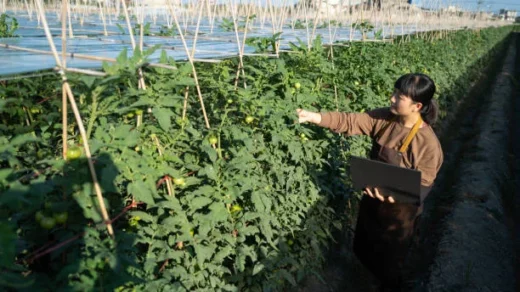
Data-driven decision-making: Data analytics enables farmers to make well-informed decisions based on precise and current data. Farmers can learn a lot about crop performance, resource use, and market demand by analysing a variety of data sources, including weather patterns, soil conditions, crop health, and market trends. With the use of these insights, they are able to decide on the type of crop to grow, the timing of planting and harvesting, and how to manage irrigation and fertiliser applications.
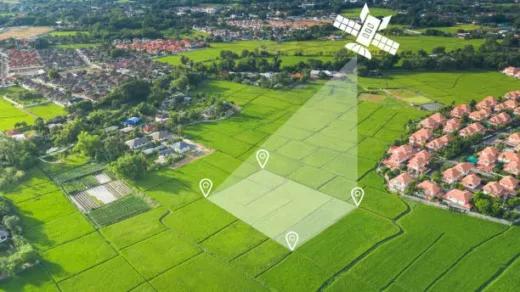
Precision agriculture and resource optimisation rely on applying the appropriate inputs at the right time and in the right amount to maximise resource utilisation and reduce waste. Precision agriculture is made possible by data analytics. Farmers can accurately control the application of fertiliser, pesticides, and irrigation by analysing data from sensors, satellite imagery, and historical records.Data analytics can be used to create predictive models that project agricultural yields based on historical data, current circumstances, and numerous affecting factors.
Predictive analytics algorithms can estimate projected yields with a certain level of accuracy by examining weather patterns, soil properties, crop genetics, and management techniques. Farmers can use this information to organise their activities, determine the supply of the market, manage storage and logistics, and make wise economic decisions.