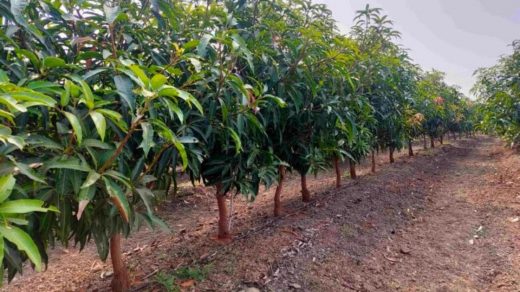
The sustainable food movement is a broad-based social and environmental movement that seeks to promote a more sustainable and equitable food system. This movement is rooted in the belief that the current dominant industrial food system is environmentally destructive, socially unjust, and nutritionally inadequate. It aims to promote alternative food systems that are based on principles of sustainability, equity, and health.
The sustainable food movement encompasses a wide range of practices, from urban and rural agriculture, to community-supported agriculture, to local and regional food systems, to organic and biodynamic farming. These practices aim to reduce the environmental footprint of agriculture, increase the nutritional value of food, and improve the livelihoods of farmers and food workers.
This movement often works to create alternative food networks that bypass the dominant industrial food system and provide direct connections between farmers and consumers. In short, the sustainable food movement is a response to the many challenges posed by the industrial food system and seeks to create a more sustainable, equitable, and healthful food future.