There are several advanced technologies that are being used in organic farming to improve crop yields, reduce labor costs, and minimize environmental impact. Some of these technologies include:
- Precision agriculture: This technology uses sensors, GPS, and other technologies to collect data on soil conditions, weather, and crop growth. This data can then be used to optimize planting, fertilization, and pest management strategies.
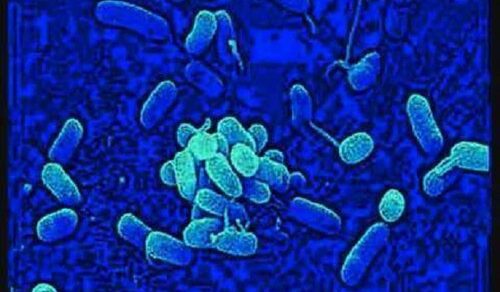
- Biological pest control: This technology uses natural predators, parasites, and pathogens to control pest populations. This can include the use of beneficial insects, such as ladybugs and lacewings, or the use of microorganisms such as Bacillus thuringiensis (Bt) as a biological insecticide.
- Drones and robots: Drones can be used for tasks such as crop monitoring, precision spraying, and crop mapping. Robots can be used for tasks such as planting, weeding, and harvesting, which can significantly reduce labor costs.
- Climate-controlled greenhouses: This technology allows farmers to control temperature, humidity, and other environmental factors to optimize crop growth. This can be especially useful for growing crops in areas with harsh climates or short growing seasons.
- Biotechnology: Biotechnology can be used to create genetically modified crops that are resistant to pests and diseases, or that require less water and fertilizer.
It’s important to note that the use of these advanced technologies in organic farming must be done in compliance with the regulations and guidelines of the organic certification body, and in a way that does not compromise the principles of organic farming.