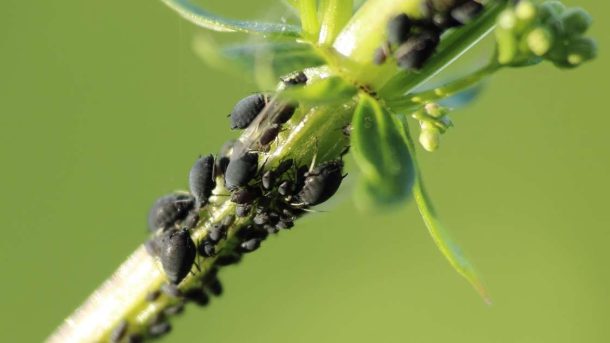
IPM is a sustainable approach for managing pests by combining biological, cultural, physical and chemical tools in a way that minimizes economic, health, and environmental risks. It seeks to use natural predators or parasites to control pests, using selective pesticides for backup only when pests are unable to be controlled by natural means. IPM aims to suppress pest populations below the economic injury level (EIL). Reliance on knowledge, experience, observation and integration of multiple techniques makes IPM appropriate for organic farming. IPM is used in agriculture, horticulture, forestry, human habitations, and general pest control, including structural pest management, turf pest management and ornamental pest management.
Scientific Farming
How citrus psylla attacks citrus plants?
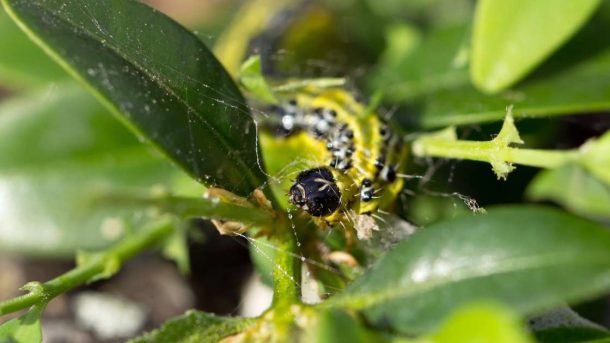
In plants attacked by citrus psylla we can see young brownish nymphs of psylla crawling on the young flush .Several dirty gray colour adults can be seen sitting in line with tails upwards. Voluminous de-sapping by the nymphs results into the drop of flush, flowers and berries. Affected branches dry and die-back sets in. The nymphs also excrete white crystalline powder, which invites fungal infestation. Psylla can be controlled by spraying acetamiprid 0.2 g/litre water twice with 10 days interval during the initial days of flushing.
Which are the plant protection measures for citrus ?
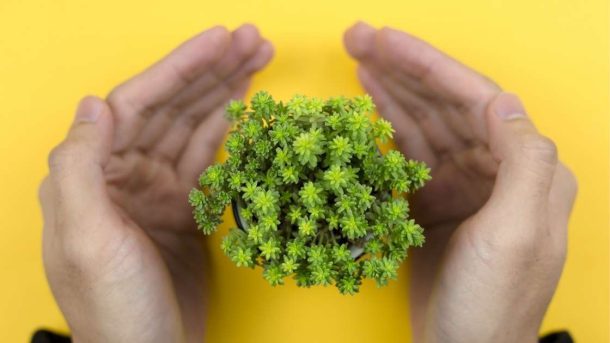
Plant protection measures for citrus include elimination of phytophthora infected plants. In case of phytophthora infection drenching of plants with either metalaxyl MZ72 @ 2.75 g/l water or fosetyl Al @ 2.5 g/l water should be done. Second spray should be given after 40 days. To prevent infestation of insect pests like citrus leaf miner and thrips plants should be sprayed either with acetamiprid or thiamethoxam (0.2gm/litre of water) at 10 days intervals. The growth of plants is also affected adversely due to mite attack which can be controlled by spraying plans with Fenazaquin 10% EC @ 4ml/litre and wettable sulfur @ 3 g/l water, alternatively at 15-20 days interval.
Why liquid fertilizers are preferred by farmers ?
Liquid form of fertilizers are applied with irrigation water or for direct application through foliar spray to augment yield and improve quality of a variety of crops like fruits, vegetables, oil seeds, pulses, cereals, cotton, tobacco, sugarcane, tea, etc. It will ease handling, less labour requirement as well as the possibility of mixing with herbicides have made the liquid fertilisers more acceptable to farmers.
What is sequential cropping system ?
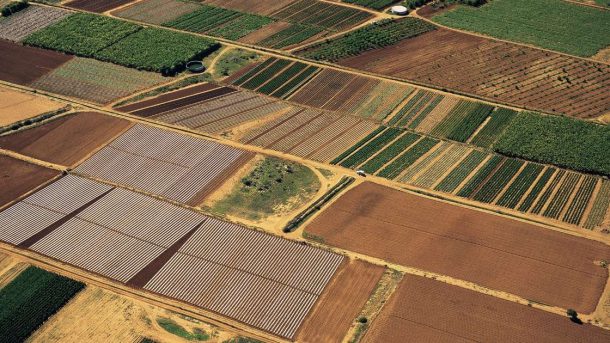
Growing crops in sequence within a crop year, one crop being sown after the harvest of the other is known as sequential cropping. For example, rice followed by pigeon pea, followed by wheat. This system with relatively short growing season crops offers better total annual use of land than a single crop system. There are different type of sequential cropping like double cropping , triple cropping , quadruple cropping and ratoon cropping.
What is alley cropping?
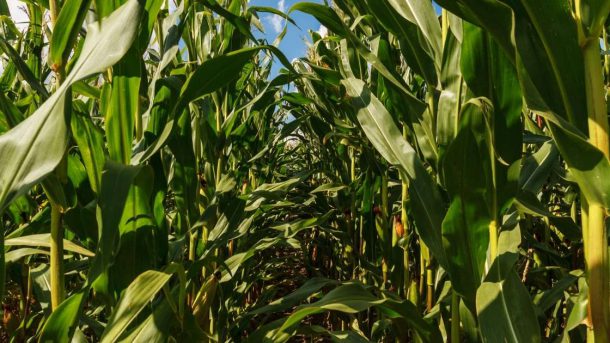
Alley cropping is an agroforestry practice in which perennial, preferably leguminous, trees or shrubs are grown simultaneously with an arable crop. The trees, managed as hedgerows, are grown in wide rows and the crop is planted in the interspace or ‘alley’ between the tree rows. During the cropping phase, the trees are pruned. Pruning are used as green manure or mulch on the crop to improve the organic matter status of the soil and to provide nutrients, particularly nitrogen, to the crop.
What is seed dressing?
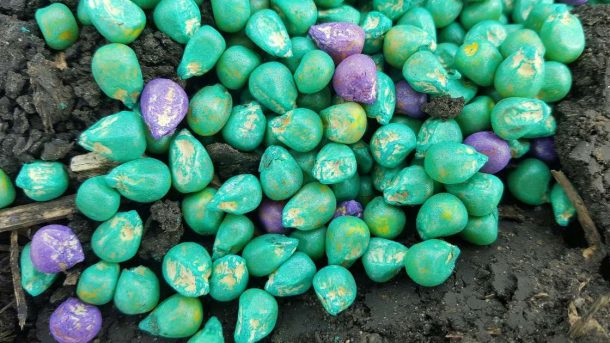
Seed dressing is a method of seed treatment. The seed is dressed with either a dry formulation or wet treated with a slurry or liquid formulation. Dressings can be applied at both, the farm and industries. Low cost earthen pots can be used for mixing pesticides with seed or seed can be spread on a polythene sheet. The required quantity of chemical can be sprinkled on the seed lot and mixed mechanically by the farmers.
How primary infection and secondary infection occurs ?
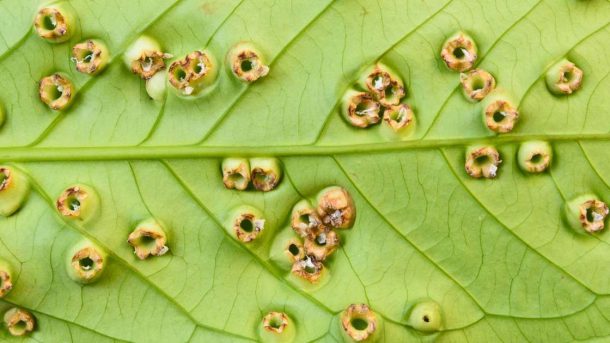
Primary infection occurs when the pathogen comes into contact with a susceptible host under favourable environmental conditions. Pathogens penetrate the surface of a plant directly or enter through wounds or natural openings. Growth and development of a pathogen usually occurs on or within infected plant tissue. Secondary infection results from spores or cells produced following primary infection or from other secondary infections. The secondary infection cycle can be repeated many times during the growing season.
The number of cycles is dependent on the biology of the pathogen and its host and the duration of environmental conditions needed for infection.
How neem seed act as a repellent ?
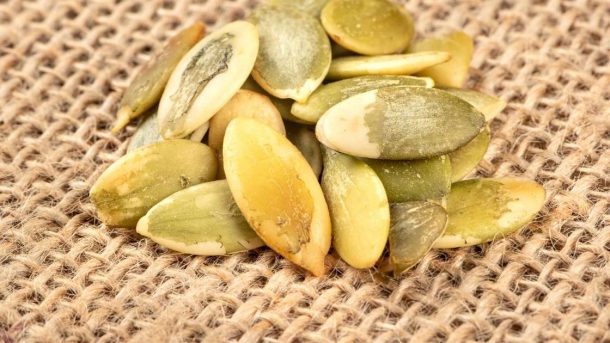
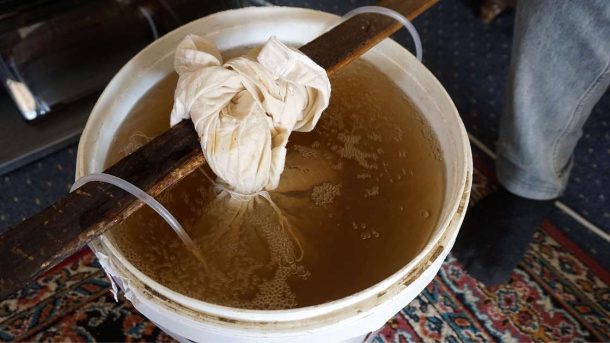
Neem seed suspension act as a repellent against locusts and grasshoppers. Kernels of mature neem fruits should be crushed into a coarse powder. For obtaining 0.1% concentration, 1 g of powdered neem seed is required for a litre of water. The required quantity of the coarse powder should be put in a small bag of muslin cloth and dipped in water contained in a bucket and squeezed till the water becomes light brownish. This has to be sprayed on crops.
What are contact and stomach pesticides?
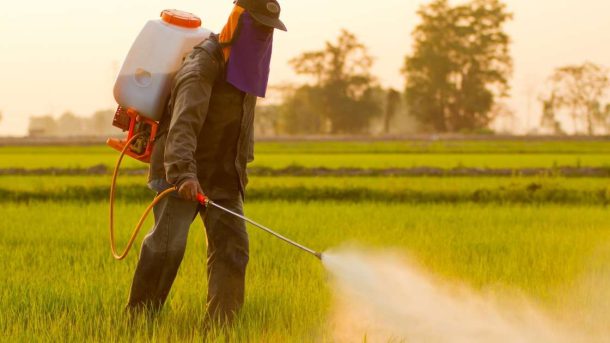
Contact and stomach poison work by the mechanism in which , when insect comes into contact or when the insect eats the pesticide sprayed parts, it gets killed. Contact and stomach poison is used for controlling larvae that feed on leaves. Examples include Flubendamide. Some of the pesticides derived from plants also have contact action, for example pyrethrum, sabadilla, etc.