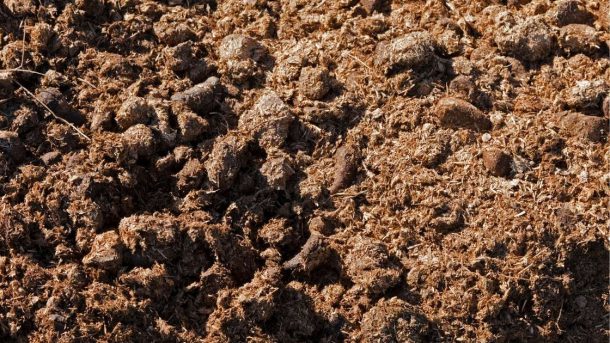
Farm yard manure refers to the decomposed mixture of dung and urine of farm animals along with litter and left over material from roughages or fodder fed to the cattle. On an average well decomposed farmyard manure contains 0.5 per cent N, 0.2 per cent P2O5 and .0.5 per cent K2O. FYM is a cheap and easily available source of organic nutrients. Application of FYM improves chemical, physical and biological condition of soil. FYM can supply all nutrients that are required by the plants. FYM is rich in organic material that it nurtures soil organism and maintains an active soil life and it is rich in nutrients.
Scientific Farming
What are the advantages of mechanization of agriculture ?
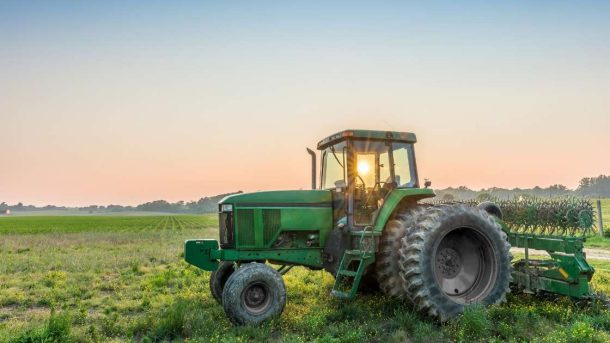
Appropriate machinery is required for ensuring timely field operations, effective application of agricultural inputs and reducing drudgery in agriculture. The advantages include increased cropping intensity, large area coverage and timeliness, increased farm labour productivity and increased crop productivity and profitability.
What is seed pelleting?
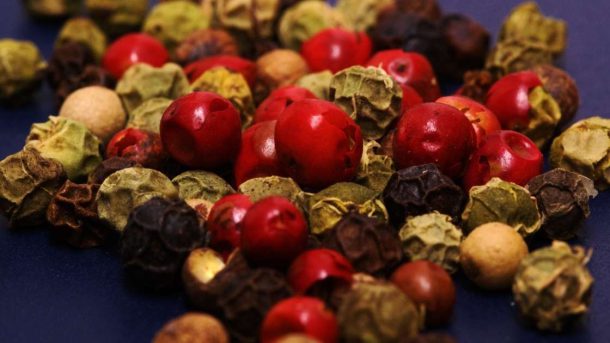
Seed pelleting is the process of enclosing a seed with small quantity of inert material to increase their weight, size and shape. Seeds for sowing in the nursery or the open field are pelleted to improve the efficiency of the mechanical sowing process and to optimize conditions for good germination. It is also possible to integrate plant protection products, nutrients and growth stimulation products into the coating. A color or visual effect can be added to give better seed visibility on the soil and to underline the quality appearance of seed.
How drip irrigation works and what are the benefits?
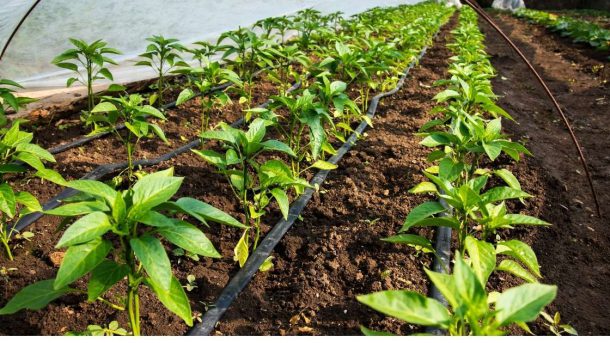
Delivery of water and nutrients are done across the field in pipes called ‘dripper lines’ featuring smaller units known as ‘drippers’. Each dripper emits drops containing water and fertilizers, resulting in the uniform application of water and nutrients direct to each plant’s root zone, across an entire field. Farmers prefer drip irrigation because compared to other of irrigation methods, it gives farmers an efficient and simple way to operate their farms. Benefits of drip irrigation include higher consistent quality yields, huge water savings ,100% land utilization , energy savings , efficient use of fertilizer and crop protection, and less dependency on weather.
What is drip irrigation?
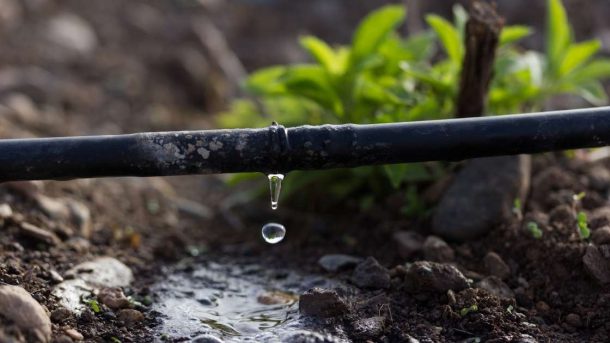
Drip irrigation is the irrigation system that delivers water and nutrients directly to the plant’s roots zone, in the right amounts, at the right time, so each plant gets exactly what it needs, when it needs it, to grow optimally. Drip irrigation is the most efficient water and nutrient delivery system for growing crops. With the help of drip irrigation farmers can produce higher yields while saving on water as well as fertilizers, energy and even crop protection products.
What are trap crops ?
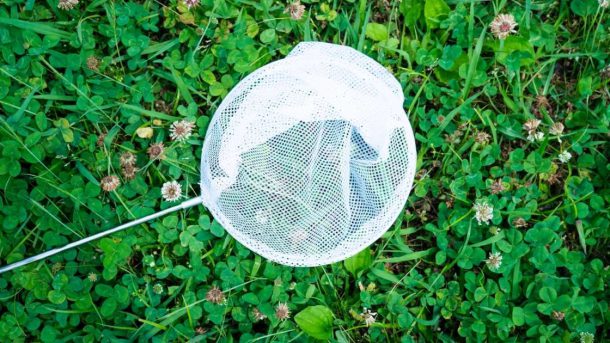
Pest attacks can be prevented by growing trap crops along with main crop. Trap cropping is the method of growing most favored crop of insect along with main crop so that the insect feed on trap crop and the main crop remains unaffected. Protection is achieved either by preventing the pest from reaching main crops or by concentrating pests on an area where it can be destroyed economically. Principle of trap crop is preference of pest to certain cultivars , plant species or a crop stage. Manipulation technique ranges from using an early or late trap crop of the same cultivar as main crop to planting a completely different plant species. Chemical compounds such as insect pheromones and insect-food supplements are used to enhance the attractiveness of trap crops.
Why pest monitoring is important?
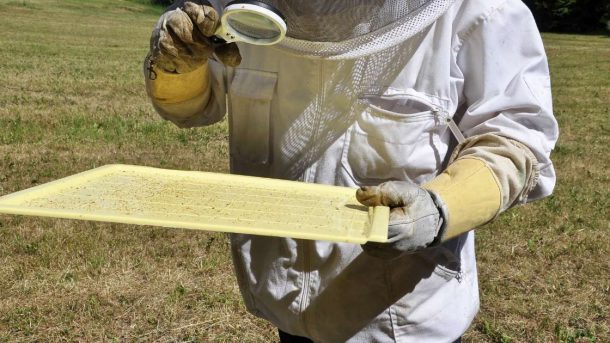
Pest monitoring done using field surveys and surveillance helps in forecasting the population build up of pest. Once a pest manager has taken precautions to prevent pest infestations, it is important to watch regularly for the appearance of insects, weeds, diseases, and other pests. This is called monitoring. The primary goals are to locate, identify, and rank the severity of pest infestations. It reduces the load of pesticides application and forms the basis of Integrated Pest Management. Various direct and indirect sampling methods for establishing pest populations are discussed. The use of pheromone lures and traps forms one of the important ingredients of integrated pest management, which calls for integration of all available methods in a cost effective and environmental friendly manner offering consistent efficacy.
How to manage tomato early blight?
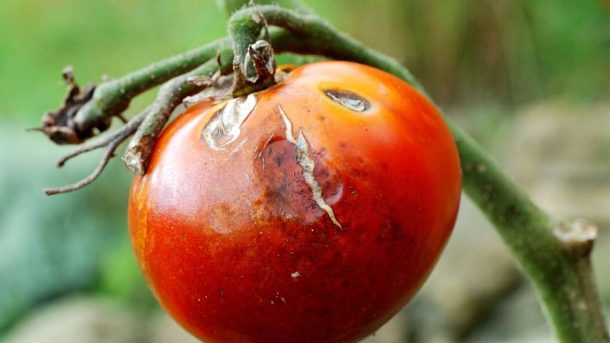
Early blight in tomato can be managed by using disease free seeds for sowing and by practicing field sanitation. Crop rotation with non-solanaceous crop and optimum irrigation that helps in avoiding stress condition are another method to prevent tomato blight. Seed treatment using thiram at the rate of 2g/kg and 3 sprays with difolatan 0.2 % at fortnightly interval also helps in controlling tomato blight.
What is propping in agriculture?
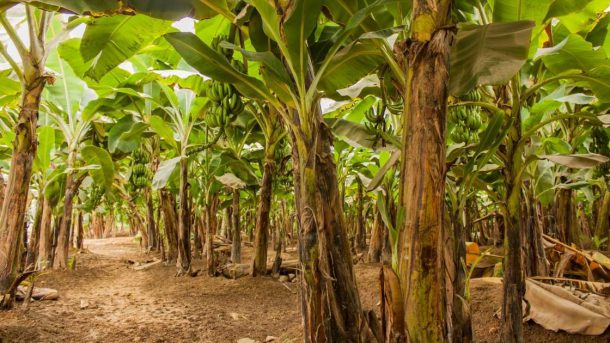
Propping can simply be defined as a cultural operation of plantain / banana plant which give additional support of the plant , which bear heavy load during bunching (flower period).Plants are generally weak during the dry season and strong winds, nematodes and stem borers also increase the rate of loss. For these reasons, bearing plants always need support from 1 or 2 wooden props, usually made of bamboo. At the time of bunch emergence , pseudo-stem requires support from props. Tall varieties which produce heavy bunches need propping. Bamboo or casuarinas poles which have effective life of 3-4 years are commonly used for propping. Coir or polythene wire can also be used for propping.
How de-suckering is practiced in banana?
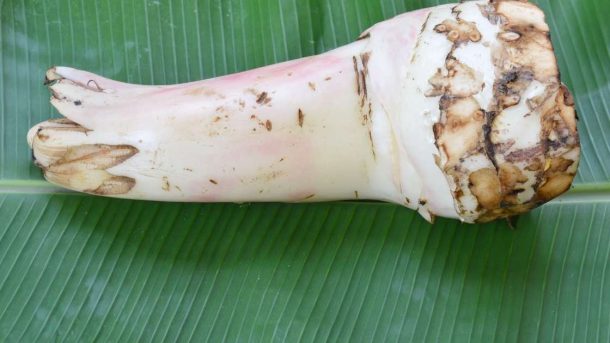
De-suckering is removal of surplus and unwanted suckers from banana plant. Suckers are removed from the mother either by cutting the sucker at ground level or by destroying the heart of the suckers without detaching the sucker from the plant. De-suckering can also achieved by pouring kerosene oil into the heart of the sucker. Under garden land and wet land cultivation, de-suckering is done at monthly intervals. In hill banana ,two bearing plants and two suckers per clump are considered as the optimum condition and the rest are de-suckered. Only one sucker is retained per plant and set for ratooning.