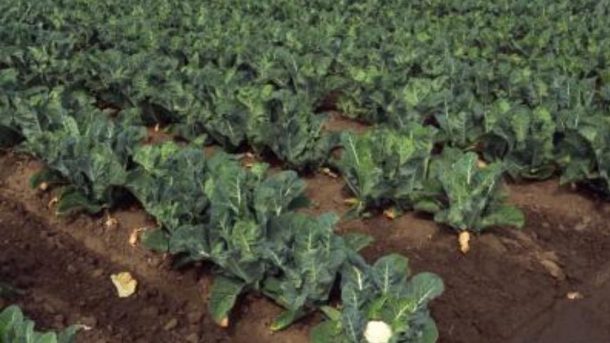
Before seedlings are prepared in nursery beds, furrow type of layout & ridges should be prepared for this crop and the plants should be transplanted in main filed after 3 to 4 weeks. Spacing between plants should be 45 cm X 45 cm for early crop and 60 cm X 60 cm for late crop.
ScientificFarmingWeb
Which is the sowing time for Cauliflower Farming?
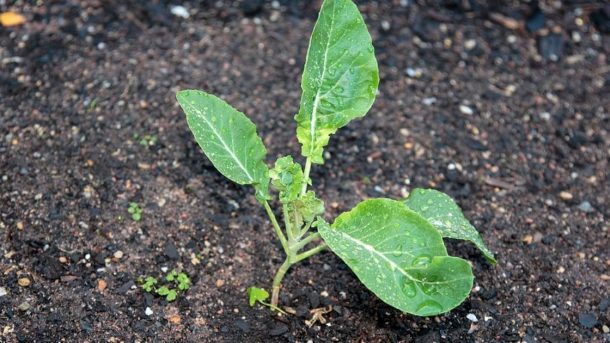
The seed should be sown in nursery beds in May to June for early crop cultivation, July to August for main crop cultivation and for late crop cultivation Sept-Oct.
What is the Seed rate required for Cauliflower Farming?
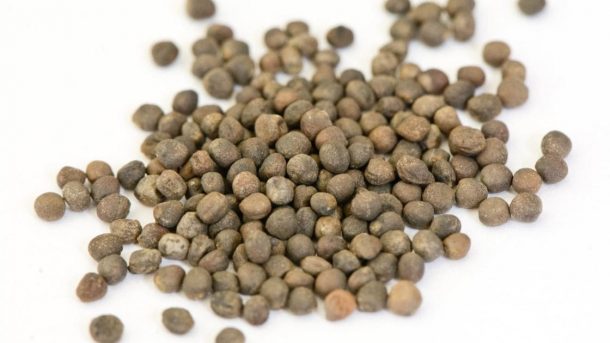
In cauliflower cultivation seed rate depends on season. For early crop an average of 600 – 750 grams per/ha is required and for late crop 450-500 grams /ha is sufficient.
How land Preparation is done for Cauliflower Farming?
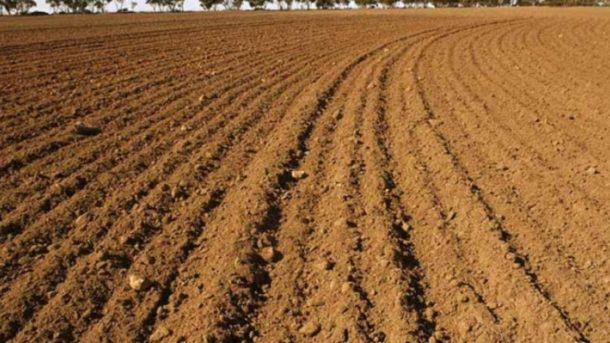
The soil should be thoroughly prepared by 1 or 2 corrosives ploughing by a soil turning plough followed by 3 – 4 ploughing with desi plough to make the soil loose and friable. Organic manures like Farm Yard Manure (F.M.Y) should be applied at the time of main field preparation. Cauliflower requires better prepared soil than cabbage.
Which Soil is suitable for Cauliflower Farming?
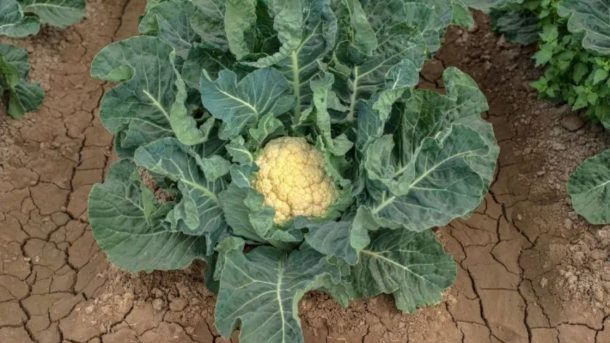
Cauliflower can be grown in wide varieties of soils provided they are rich in organic matter and holds sufficient and finally possess a good water drainage. Sandy loamy soils are recommended for early crops and for late crops, clay loams and loam soils are preferred. This vegetable thrives best in soils whose P.H. range is 6.0 to 7.0.It is better to go for soil testing g before cultivation. If the soil possess PH value below 5.5, liming @ 5 10 quintal/ha should be done for successful crop. Soils higher in PH value (> 7.0) decrease the availability of boron.
What is the Agro-Climatic conditions for Cauliflower Farming?
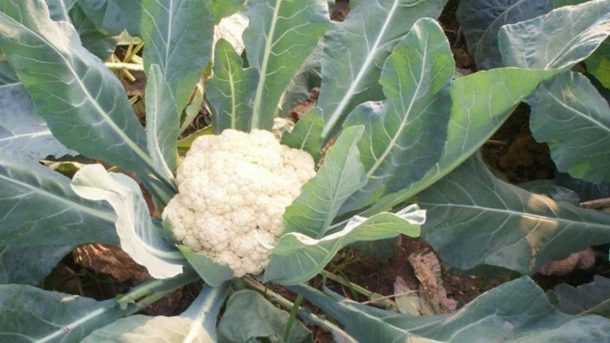
Proper climatic conditions are almost required depending on the variety of the cauliflower. Cauliflower grows well in a moist and cool climate. Cauliflower can sustain to low temperatures and for hot climatic conditions just like cabbage. Extreme dry conditions or low humidity are not suitable for Cauliflower cultivation. 10°C to 25°C is optimum temperature for good seed germination. High temperatures cause poor quality of curds. Lower temperatures may result in delays in maturity and undersized curd.
What are the Commercial Varieties of Cauliflowers Cultivated in India?
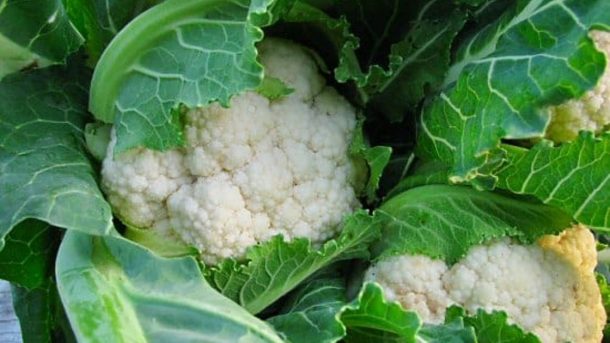
There are many varieties in cauliflower cultivation as they are season bound, care should be taken while sowing the seeds or transplanting. There are three types seasonal varieties in the cultivation of Cauliflower I.e., Early crop, Mid-season and Late Crop.
Varieties that are suitable for monsoon season i.e., June to July are Early Kunwari, Pusa Katki. The curds become ready in Sept to Oct. Aghani would mature in November, Possi in Dec and maghi in Jan. Early crop varieties produce short plant. Pusa Deepali is also early crop variety and its curds start maturing in November. Pusa synthetic variety suitable for plantation in Sept month and its curds become available in Dec to Jan. The late crop variety is snow ball which can be planted in Oct to Nov and its curds become available in Feb to Mar.
What are some important tips for controlling Basil pests organically?
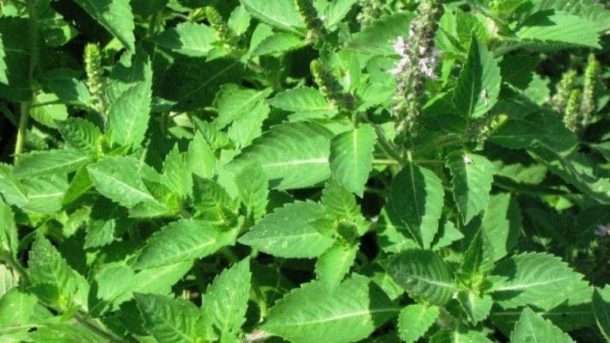
Generally, neem spray is a viable option for controlling basil pests like thrips, beetles, whiteflies, and aphids. To control some Basil pests, insecticidal soaps are available in ready-to-use spray bottles or as a concentrate. Neem Spray Insecticide is one of the most common and viable options is neem spray. It is an effective deterrent against insects and pests. The pungent aroma of garlic spray is effective in repelling bugs and pests away. Pepper spray is a potent repellent that knocks numerous pests effectively.
How Fusarium diseases causes damage in Tulsi crop?
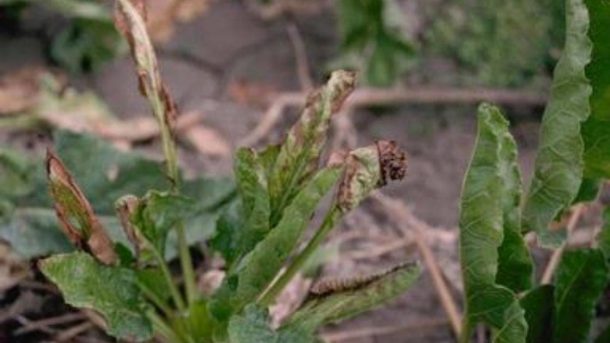
Fusarium mainly effects on sweet basil varieties; it is vascular wilt caused by a fungus. Symptoms of this disease include wilted leaves, stunted plants, and vertical brown stripes on the stem. These appear late in the growing season and are first noticed on the older leaves.
How Whiteflies are identified and controlled in Tulsi organically?
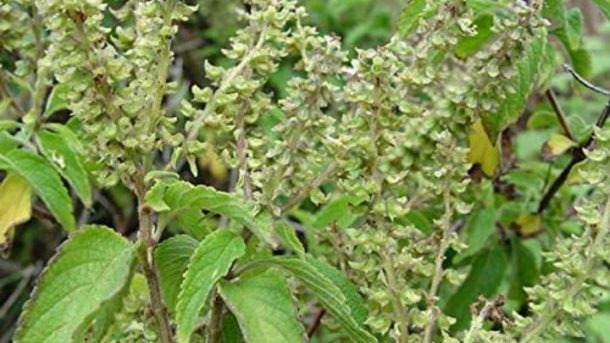
White flies are sap-sucking insects that are visible to the naked eye, slender white bodies and wings and tend to congregate on the undersides of plant leave to feed. Some botanical sprays such as pyrethrum, rotenone, and horticultural oil sprays.