ScientificFarmingWeb

How Leafhoppers are identified and controlled in Tulsi organically?

Tulsi

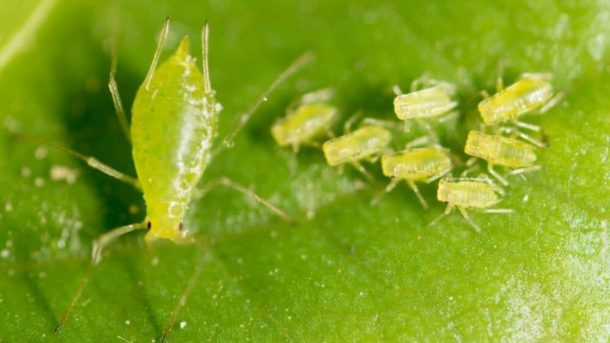
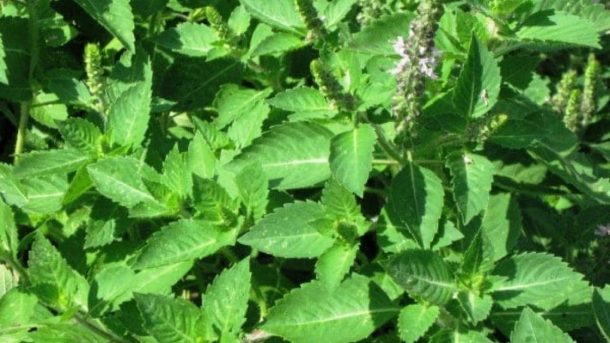
Leafhoppers are a common problem for field growers and identifiable by their light green bodies. Leafhoppers can be detected by the presence of white or pale-yellow spots on Tulsi leaves. The damage caused is not solely cosmetic since these insects are known to transmit viral diseases.

Some botanical sprays like neem, pyrethrum, and horticultural oil sprays are best for controlling leafhoppers.

How Pests and Diseases are Controlled for Growing Tulsi Organically?

Pests and Diseases

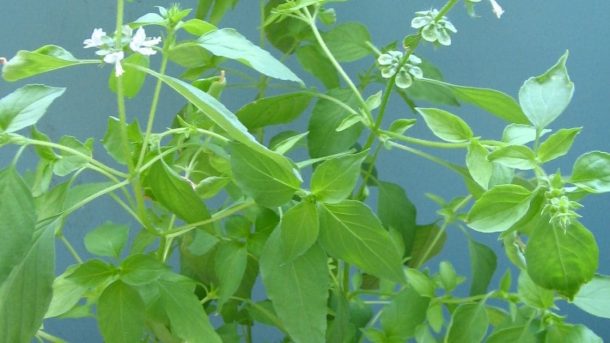
Some medicinal plants like Tulsi require production involving minimal or no usage of chemical pesticides. Some organic practices include control measures using neem-based formulations. Fish oil resin soap can be used to manage such sucking pests in Tulsi plants. Tulsi crop is generally free from pests and diseases. However, when grown in poor conditions, the Tulsi plant can be attacked by some common pests like mealy bugs, aphids, spider mites, and sometimes whiteflies. For treating Tulsi pests, use organic pesticides or insecticidal soap.

What are the Spacing Requirements for Growing Tulsi Organically?

Tulsi

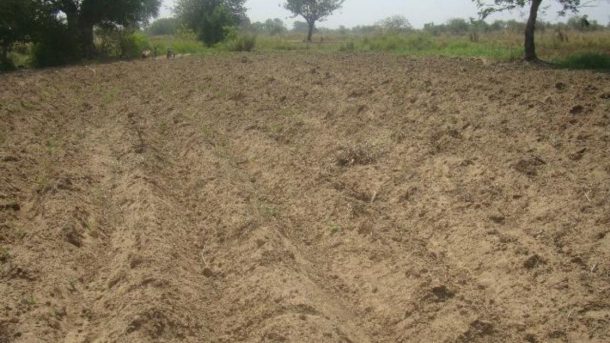
Depending upon Tulsi plant growth habit, prepare seed beds of about 4.5 ×1.0×0.2m size. Seeds should be sown at a distance of about 60 cm by 60 cm. The distance between the beds mainly depends on available cultivation equipment and end-user. Normally, large commercial producers use a mechanical planter or a vegetable seeder. The seeding rate will depend on the desired planting density, in turn, depends on the end market.

How Soil Preparation is done for Growing Tulsi Organically?

Tulsi

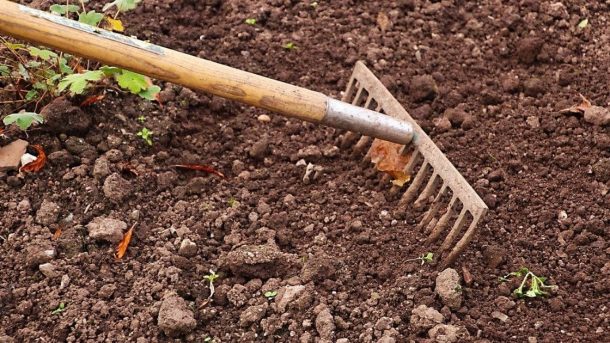
Sandy loam soil with good organic matter is considered ideal for the Tulsi plants. Fertile and well-aerated soil is ideal for the Tulsi plant. If you are planning to plant outdoors, make sure that the soil is well-dug. Though, mixing organic compost or cow dung is a good method to make the soil fertile and facilitate proper aeration. And, make sure that the soil and the compost are weed free.

Tulsi plant thrives well on a variety of soils. For Tulsi cultivation, rich loam to poor laterite, saline, and alkaline to moderately acidic soils are well suitable. Well-drained soil helps better vegetative grown. The waterlogged condition can cause root-rot and result in stunted plant growth. This plant can be grown under partially shaded conditions but with low oil contents. This plant flourishes well under fairly high rainfall and humid conditions. Tropical and subtropical climate (at altitudes up to 900m.) is suited for its cultivation.