ScientificFarmingWeb

What is DEEP WATER CULTURE (DWC)?

WATER

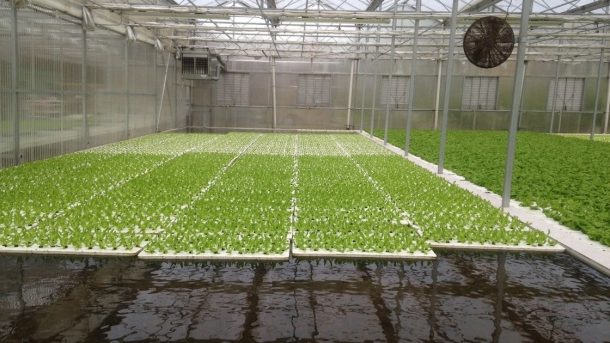
It is also recognized as raft or float systems; this system uses floating rafts to suspend plant roots into nutrient-rich and aerated water. The developing plant’s roots are suspended directly into a pool of water approximately 1 foot in depth. Since there are no media to detain and process solid wastes, filtration techniques must be incorporated into the design. This requires more advanced aquaculture techniques and system requirements, leading to higher upfront costs. The method can be utilized in various ways such as floating foam rafts on top of fish tanks or pumping water from the fish tank to floating rafts with plants floating on water surfaces.

 This design is suitable for commercial aquaponics production as it is the most stable of the three system types. Since there is much more water in the system, drastic nutrient and temperature fluctuations are much less likely to occur. It is best matched for warmer climates because although it would resist daily temperature swings, heating the water in colder climates is costly. In addition, larger root zone plants can be grown, and removing plants is much easier than in media beds.
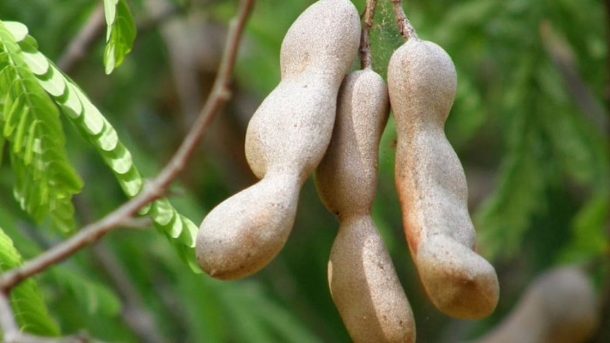
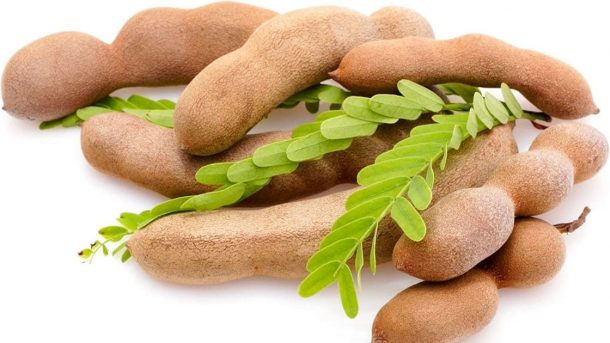
When harvesting of tamarind is done?

harvesting of tamarind

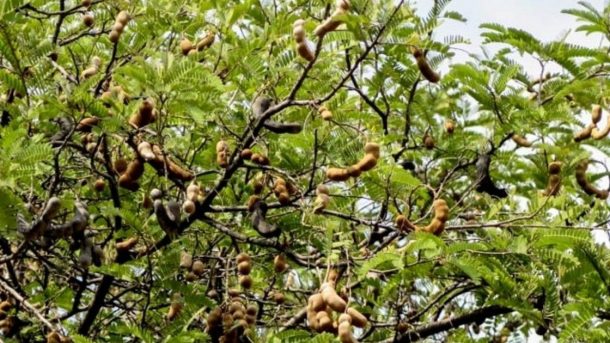
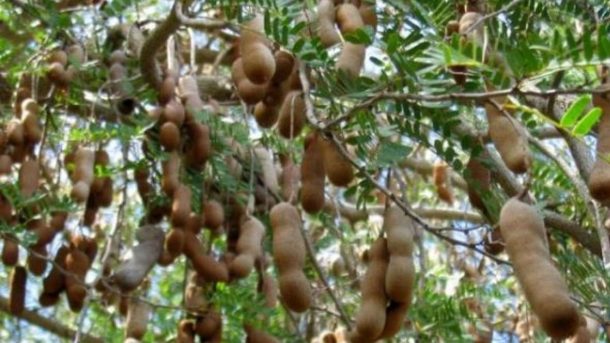
Harvesting of Tamarind takes place from 1st March to 15th April. Tamarind fruits harvested by the pulling pod away from the stalk. Tamarinds may be left on the tree for nearly 6 months after maturity. The Tamarind tree starts to bear fruit at the age of 13 to 14 years. The flowers appear in June and July and the pods ripen in the cold season. The pods must be allowed to ripen on the tree until the outer shell is dry. In India, harvesters may simply shake the branches to cause mature fruits to fall and they leave the remainder to fall naturally when ripe. Pickers are not permitted to knock the fruits off with poles as this would damage developing flowers and leaves. These harvested fruits are stored in a neat and clean place. The harvested pod must be sun-dried for getting the best pulp. Harvested fruits after15th April must be stored in refrigeration.

What is the Irrigation Requirements for Tamarind Production?

Irrigation

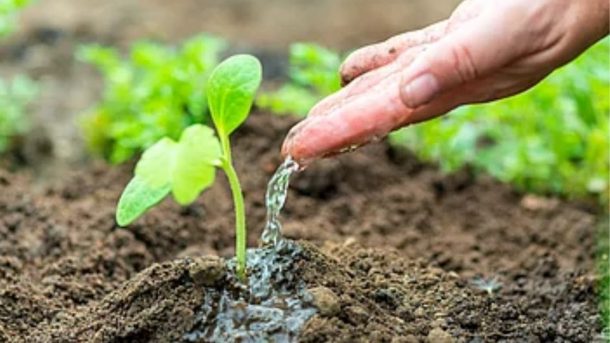
Young Tamarind trees need suitable soil wetness up to trees to become established, but mature trees do well without supplemental irrigation. Need to avoid overwatering which results in soggy soils. Water seedlings deeply when the first inch of soil is dry to the touch. Once the tree is established, it does not need regular watering and can withstand periods of extreme drought conditions.

How Seed Propagation is done in tamarind?

Seed Propagation

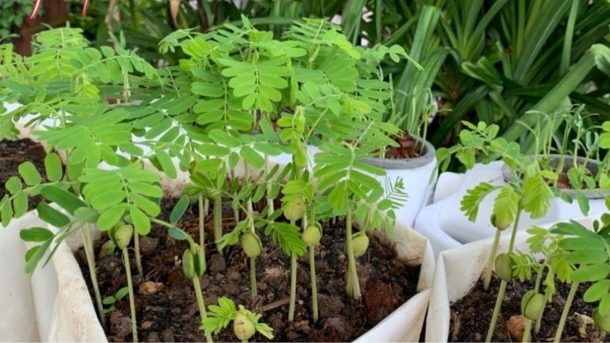
By seed is the least expensive means of propagation and can be used to crop a large number of new plants from a minimum of stock material. Moreover, seed propagation is essential to produce seedlings to be used as rootstocks onto which designated cultivars can be grafted. The major disadvantage of seed propagation is that seeds fail to produce plants true to type and also resulting seedlings take a longer time to produce productive plants than those produced through vegetative propagation. A better understanding of the processes involved in initial growth and seed germination is the most important prerequisite for the increased domestication and cultivation of Tamarind. Seed propagation of Tamarind is the simplest method of propagation which does produce feasible seeds but seeds do not produce true to the type plants. Seed propagation in Tamarind is done by collecting the pods from February to April. Seeds from ripe fruits are wash well with plain water. After this, it is tried for germination within 1 to 2 days. Generally, 1 kg of seeds contains 1800 to 2000 seeds. Seeds are then somewhat sun-dried to retain its viability.

What is the Temperature and Light Requirements for Tamarind Production?

Temperature

A tree of tropical climates, Tamarind succeeds under a maximum annual temperature ranging from 33 to 37°C to a minimum of 9.5 to 20°C. The trees are very sensitive to fire and frost and need protection when trees are small. When coming to the older trees, these are more resistant to extremes of temperature compared to young trees and can withstand temperatures as high as 47°C and as low as -3°C without serious injury. Tamarind is more cold-resistant than avocado, mango, and lychee.

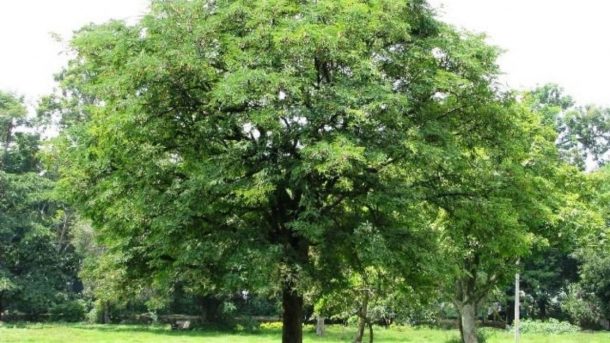
Tamarind is a slow-growing and light demanding tree. These are frequently isolated from other vegetation and the ground is generally bare around the tree due in part to the dense shading by the canopy.

Which soil is suitable for Organic Tamarind Production?

Tamarind

Tamarind tree grows in slightly acidic, well drained soils, and although it cannot withstand stagnant inundation. Tamarind trees can tolerate a wide range of physical site characteristics. It prefers wooded grassland and semi-arid areas, and can also be found growing along riverbanks and stream. Tamarind does not penetrate the rainforest. Its wide root system contributes to its resistance to wind and drought. Tamarind tree also bears saline air and fog in coastal districts, and even monsoon climates, where it has shown its value for plantations.

What is the Climatic Requirement for Organic Tamarind Production?

Requirement

Tamarind can be grown in humid to dry hot regions and these trees have acid climatic adaptability. Tamarind trees are very sensitive to frost. The suitable rainfall requirement for the Tamarind tree is 750 to 1900mm but can thrive in the region having a low annual rainfall of 500 to 750mm. Tamarind is well suitable for semi-arid tropical conditions. Tamarind tree also grows well in several humid tropical areas with seasonally high rainfall. Tamarind tree grows well over a wide range of climatic and soil conditions, occurring in low-altitude woodland, savannah, and bush, frequently associated with termite mounds

What is Ghana Jeevamrutham Type II?

Jeevamrutham

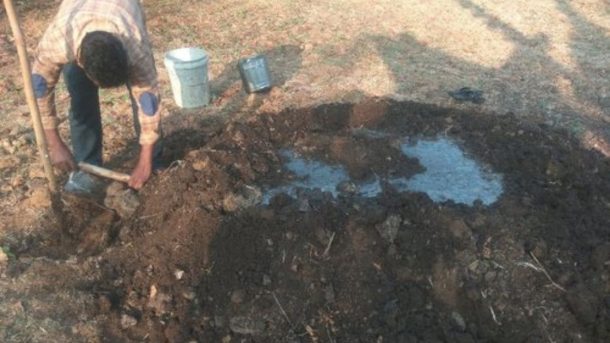
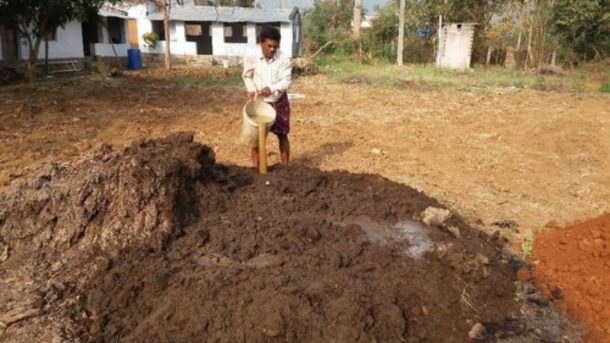
Collect 200 kg Dried and sieved Powered Cow dung Farm Manure from a cowshed. Spread it slightly on a clean surface and Sprinkle 20 lit Jeevamrutham over it. Mix it well using a spade thoroughly and form a heap in the shade of this mixture and keep away from water and direct sunlight for about 48 hrs. If the temperature drops below 12 degrees, this heap needs to be covered with rug sack to maintain a constant temperature for the conducive climate of microorganisms. After 48 hours, spread it and dry the mixture under the sun and mix it during the day at regular intervals.

What is Ghana Jeevamrutham type I ?

Take 100 kg of Desi Cow Dung (Cow dung is good only for 21 days if its kept moist. sprinkle water and store in shade) and add 1 Kg Jaggery and 1 kg Besan. Mix the mixture well and store it as a heap for 48 hrs in a shade. If the temperature drops below 12degrees, the heap should be covered with rug sack to maintain constant Temperature for conducive climatic conditions for micro-organisms.