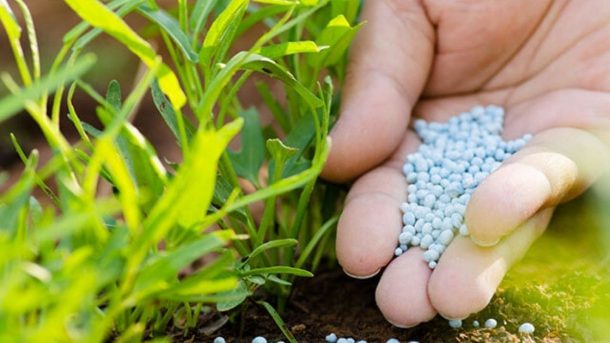
Add 5 to 6 tonnes of Farm Yard Manure (F.M.Y) or well rotten compost at the time of soil preparation. Fertilizers for rainfed and irrigated conditions are as follows. For rainfed crop ½ basal, N 40 kg/hectare, P 60 kg/hectare (30 to 35 days after sowing) and K 40 kg/hectare. For irrigated crop ½ basal, N 60 kg/hectare. P 61 kg/hectare (30 to 35 days after sowing). K 40 kg/hectare.
ScientificFarmingWeb
What is the irrigation requirement for Sesame Farming?
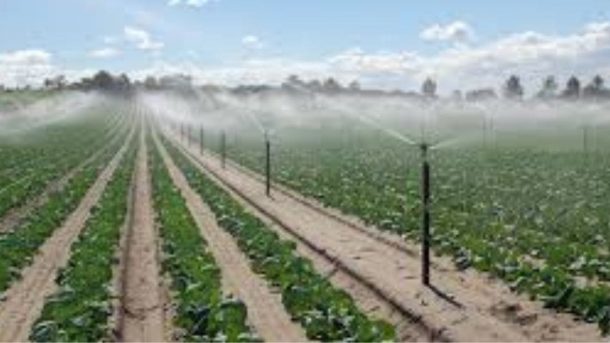
Irrigate the field when sowing to keep enough moisture for good germination. Depending upon the soil type and climatic condition, provide life irrigation @ 7 days after sowing. There are 3 critical stages of watering in sesame farming, first one at pre-flowering stage (22-25 days after sowing), second one at flowering stage (35 to 45 days after sowing) & 1 (or) 2 irrigations at pod setting stage. During the seed maturity stage, maintain low moisture status because seed maturity is affected and filling up of the capsules would be poor. Hence, stop watering after 65 to 70 days of sowing.
How sowing is done in sesame and what is space requirement for sesame Farming?
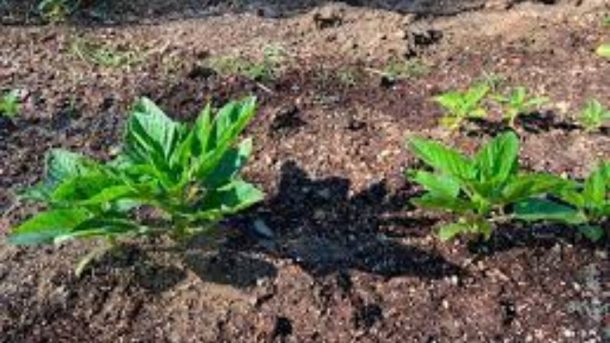
Sowing of sesame can be done in broadcast or line. However, sowing the seeds in lines is preferred. Mixing the seed with dry sand (1 time seed: 4 times dry sand) and spread the mixture along the furrows to ensure even distribution. 3cm depth is enough for sowing the seeds and cover the seeded area with soil. Make row-to-row spacing of 25 cm to 35 cm and plant-to-plant spacing of 10 cm to 20cm.
How seed treatment is done for sesame farming?
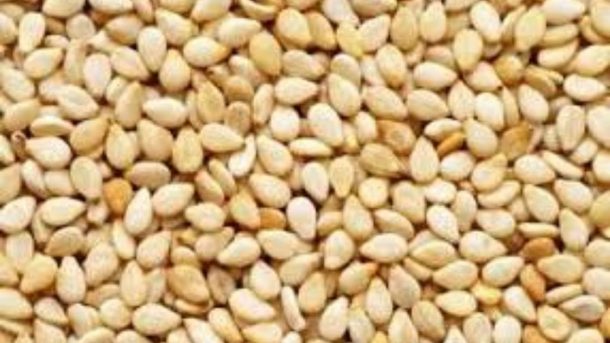
Treat the seeds with Thiram (3 grams/ kg of seeds) to prevent seed borne diseases. Just before seeding, seeds should be soaked in 0.03% Agrimycin- 100 solution for 25 to 30 minutes to minimize leaf spot disease.
What is the Seed rate required for sesame farming?
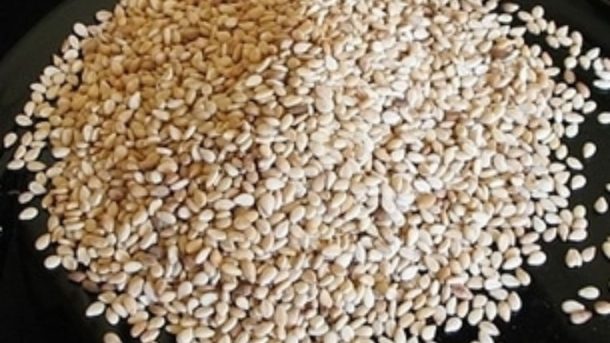
Seed rate depends on sowing method, variety of seed and season. In broadcasting method, under rain fed conditions seed rate would be 6 kg/hectare, under irrigated conditions 5 kg/hectare. In row seeding, under rain fed condition seed rate would be 5 kg/hectare, under irrigated condition 4 kg/hectare. If sesame is cultivated as intercrop, seed rate would be 1 kg/hectare.
How Land preparation is done for Sesame Farming?
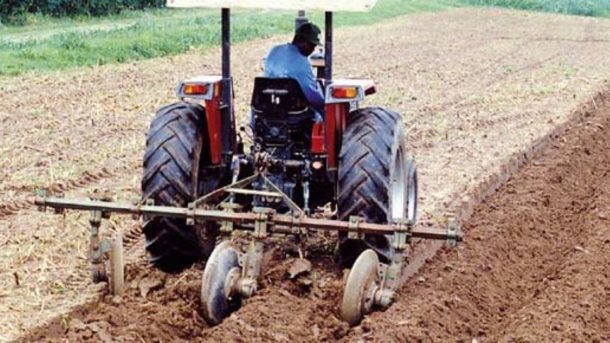
The land should be ploughed by tractor or desi/country plough and harrowed repeatedly for bridging the soil to fine tilth and weed free for quick germination as the sesame seeds are small. Add appropriate Farm Yard Manure while preparing the soil or beds.
What is the Agro-Climatic Conditions required for Sesame Farming?
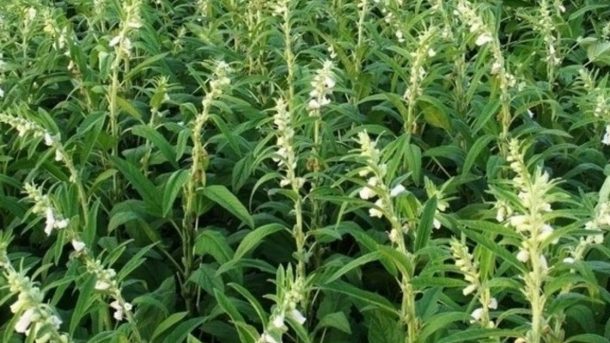
This crop can be cultivated at the elevations up to 1250 m. Sesame crop does not grow in frost conditions. Prolonged drought (or) heavy rains are not favorable conditions for its cultivation. Sesame crop is a tropical crop and this crop requires hot conditions during its growth period for best yield. Ideal temperature for sesame cultivation is between 25 °C -30 °C. Extreme low and very high temperatures effect the growth.
Which Soil is suitable for Sesame Farming?
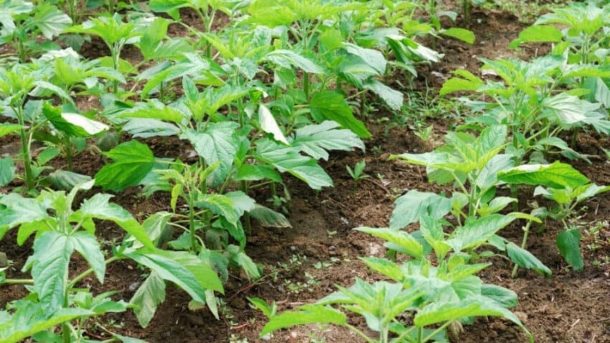
The sesame crop grown as summer crop, Kharif crop and also as semi-rabi crop. Sesame thrives well on soils with neutral reaction (or) slightly acidic type. There should not be any water stagnation in the soil, so make sure soil is well drained and light loamy soil for better growth performance. The preferred soil pH range of sesame crop is 5.5 to 8.0. Saline soils or too much sandy soils are not suitable for sesame cultivation. Adding well rotten Farm Yard Manure to the soil is beneficial in getting higher yields.
How allelopathic effect control pests in marigold?
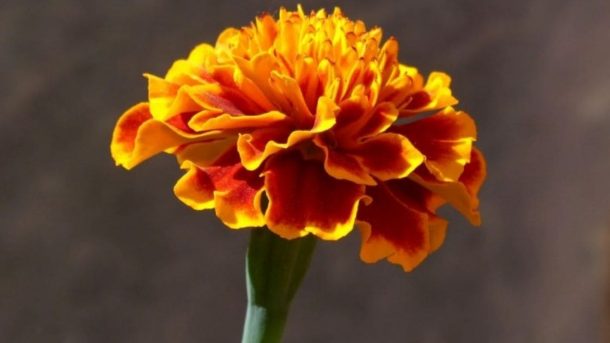
Allelopathy is the ability of an organism to produce chemicals that are toxic to other organisms. Marigold roots release the chemical alpha-terthienyl, one of the most toxic naturally occurring compounds. This compound is nematicidal, insecticidal, antiviral, and cytotoxic. The presence of alpha-terthienyl inhibits the hatching of nematode eggs. However, if in a field setting, it is unclear if marigolds producing alpha-terthienyl inhibit development because of the alpha-terthienyl itself or because marigolds are a non-host for certain nematodes.
Does marigold suppress all plant-parasitic nematodes?
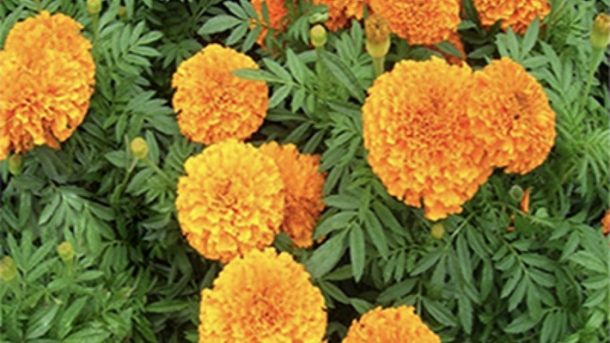
It doesn’t suppress all plant parasitic nematodes. It suppresses root-knot nematodes, lesion nematodes, and possibly reniform nematodes, but increases others such as, stubby-root, spiral, sting, and awl nematodes. In addition, different varieties of marigold may react differently to different root-knot nematodes. Furthermore, especially for root-knot nematodes, new species that have recently been discovered or remain undiscovered may increase on or damage marigold species/varieties that are proven to be resistant to other well-known nematode species.