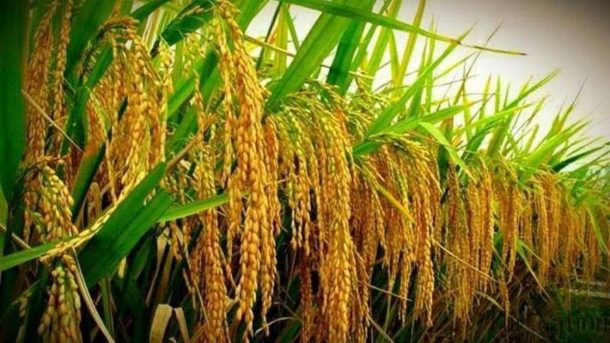
DRR Dhan 44 variety is characterized by high yield under limited conditions. Kudrat – 5 is also high yielding variety of rice. Some other high yielding rice varieties are CR Dhan 413, CR Dhan 316, CR Dhan 317, CR Dhan411, CR Dhan 512, CR Dhan 803, CR Dhan 702 and CR Dhan 703.
ScientificFarmingWeb
Which crop growth conditions help to get more yield of rice?
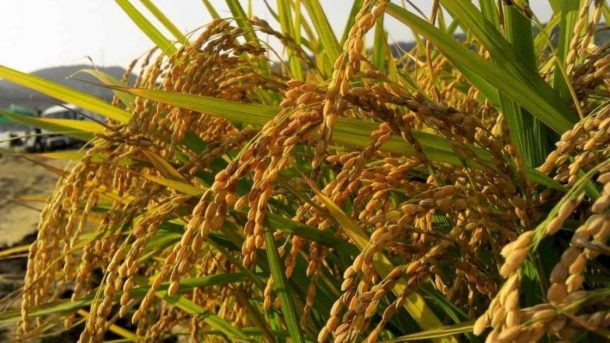
Rice is grown in 8° to 25° N latitudes and up to 2500 meters above sea level under different conditions. It is a tropical plant and needs more heat and moisture for its successful growth. The average monthly temperature should be quite high at 24°C at growth and 25- 30°C at harvest. The average annual rainfall required for rice cultivation is 150 cm.
How marigold cultivation is done in polyhouse?

Polyhouse is a very excellent example of modern agriculture. With the help of polyhouse, we can produce export quality and high quantity products is that we can get a god amount of money. Complete protection from pests and insects by using polyhouse. In the polyhouse, the requirement of labor is very less. Water and fertilizer are also less and can get superior quality yield.
What is the seed rate required for marigold cultivation?
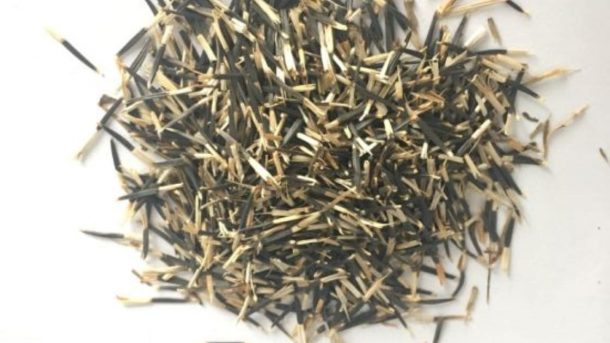
About 600-800 grams of seeds are required for one acre of land. When the crop is 30 to 45days old carry out pinching operation. It means the removal of the terminal portion of the Marigold plant. It helps to make plant bushy and compact, also several good quality Marigold flowers with the uniform size are obtained.
How Seed germination process occurs in Marigold cultivation?
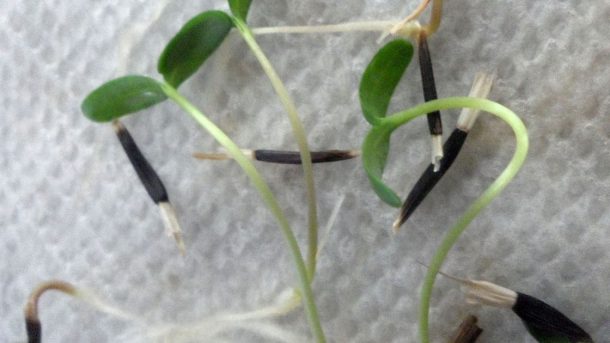
Marigold is propagated by seeds as it germinates simply and produces vigorous plants. The marigold seeds count about 300 – 350/gram. The seeds remain viable for about 1 to 2 years. The germination of fresh seeds is about 90 to 95%. The seeds germinate well at a temperature range from 18-30°C.
Begin Marigold seeds in a seed-starting flat that’s filled up until 3/4 inch from the top with sterile, moist, seed-starting mix. Sprinkle the seeds on top of the medium and sow them at a depth that equals 2 to 4 times the diameter of the seeds. Spray the soil surface with water carefully to moisten it, and then place the tray in a plastic bag or cover it with plastic wrap and this will promote soil-moisture retention.
How and when to harvest Marigold flowers?

Depending upon variety use, the marigold will be ready to harvest in 2 to 2.5 months. French Marigold flowers ready for harvesting in 1.5 months whereas 2 months required for African marigold. Plucked marigold plants when they attain full size. Harvesting must be done either in the morning or in the evening hours. The field must be irrigated before plucking of flowers; it will help to maintain quality for a longer period.
Loose flowers are plucked when attaining full size depending upon the plant variety. Flowers must be harvested in the morning hours. Irrigation before plucking gives better Marigold flower quality. Plucking of Marigold flowers regularly and removal of dried flowers enhance the yield. For Garland stalkless fully opened flowers or loose flowers are picked, white for vase decoration also fully opened flowers with stalk are plucked. Loose Marigold flowers are packed in a bamboo basket, while flowers with stalk are bunched in bundles and transported to the market.
How marigold seedlings are raised in nursery?

Nursery beds are prepared by digging up to a depth of 30cm and the beds are properly cleaned, leveled and the soil is enriched by applying well rotten FYM. To protect the Marigold seeds from the infestation of ants, BHC powder is dusted on the raised beds. Approximately, 3kg of seeds is sufficient to plant the one-hectare area. Marigold seeds are sown thinly and are covered with light soil. The beds are then watered with fine rose water can to avoid the displacement of seeds.
How seed production is done in marigold?
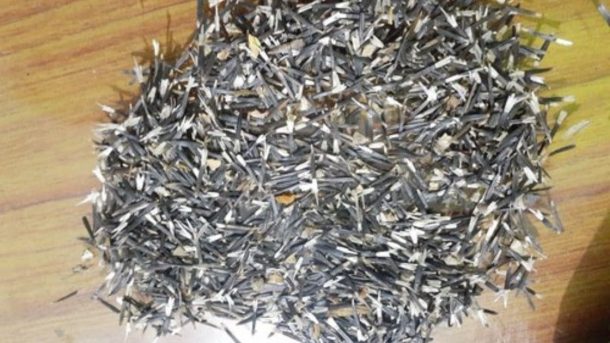
The seed is the best propagating material for annual flowers like marigold. However, due to the lack of scientific information on the seed production of marigold, the large-scale production of seed is limited. Though the seed yield and quality are mainly a genotypic character, it is greatly influenced by the seasons and climatic factors. These influence both vegetative and reproductive phases of the Marigold plant, ultimately leading to variation in performance.
Why and when pinching should be done in marigold?

Usually, pinching practice results in high yield of flowers. Earthing should be done after 20 days after transplanting, after 1 week of earthing up, pinching should be followed for bushy growth of marigold plant and development of lateral branches of the plant.
What are the Species of Marigold?

There are two species of marigold. They are Tagetes erecta (African marigold) and Tagetes patula (French marigold). The African marigold plant is hardy, annual and grows 90 cm tall, erect and branched. Plant leaves are pinnately divided and leaflets are lanceolate and serrated. Flowers are single to fully double with large globular heads and the florets are either 2-lipped or quilled. Flower color changes from lemon yellow to yellow, golden yellow or orange.
The French marigold plant is a hardy annual grows to about 30 cm tall, forming a bushy plant. Foliage is the dark green color with the reddish stem. Plant leaves are pinnately divided and leaflets are linear, lanceolate and serrated. These flowers are small, either single or double borne on proportionately long peduncles. The flower color changes from yellow to mahogany red.