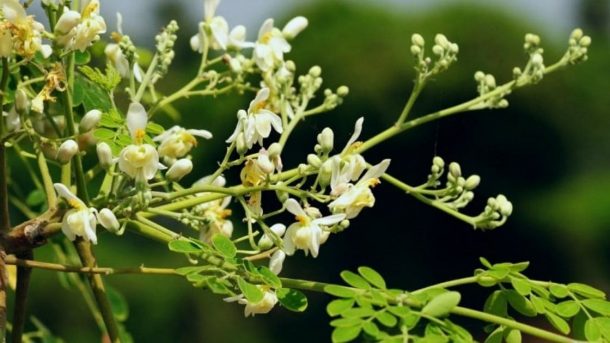
This is a destructive specialist pest only recorded on Moringa. The larvae bore into the flower buds and can cause shedding of up to 78 percent. This infestation is highest during summer. It lays eggs on flower buds which makes the larvae enter the soil and transform into a cocoon, and thus increasing their population, destroying the flower and the pods. It can be controlled by collecting the infected flowers and buds from the topsoil and destroy them completely.Spray 1 litre of Malathion per hectare of the field.
ScientificFarmingWeb
When harvesting is carried out in peppermint?
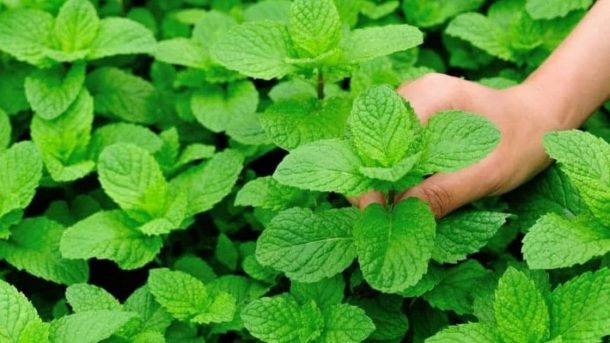
When the Peppermint crop is in full bloom during vegetative maturity, optimum oil can be obtained from it. The oil yield is affected because of environmental conditions, crop variety, weather, water, and the nutrients present in soil. Harvesting includes cutting of mint and then it is allowed to dry for 24 hours. Cured mint is then transported to the distillery where it is distilled for maximum oil production.
What is wintering in peppermint?
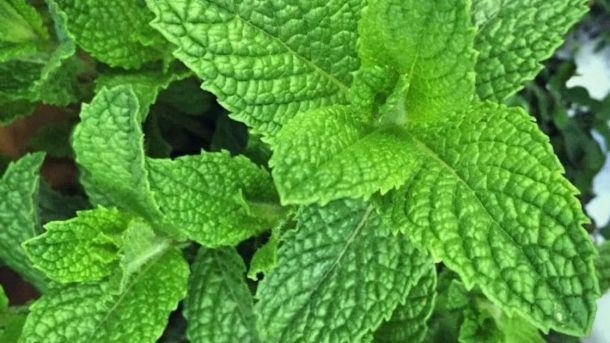
Peppermint plants can tolerate temperatures down to -20°C. Young plants should be covered with brushwood or straw during the first year and thereafter no precautionary measures are required. The above ground plant parts die off and the plant survives with its roots or rhizome in the soil and grows back again in spring.
Which fertilizers are applied to mint plants?
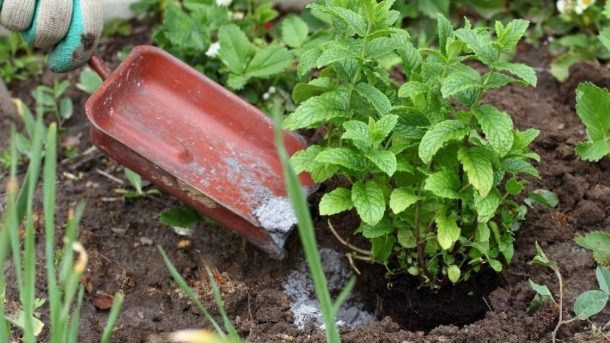
Fertilization depends upon the nutrient content of the soil and age of plants. Soils with well supplied compost require a small amount of fertilizers per year. Use Organic fertilizers such as horn shavings or dung pellets which continuously release nutrients. The plants don’t require fertilizers for the first three months. However, diluted liquid fertilizer can be applied once a month.
How irrigation is done to the peppermint plant?
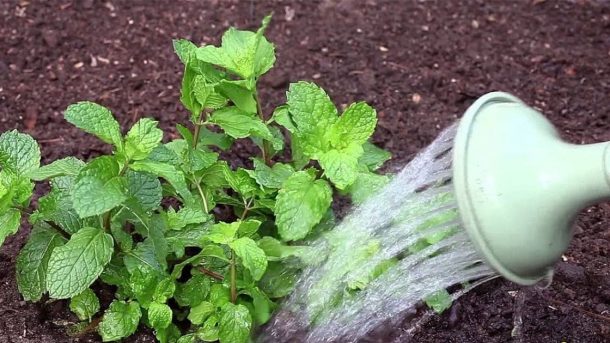
The crop requires high water management so irrigation should be done properly, and should have a controlled water table. Mints are considered to be thirsty plants so they should be continuously supplied with water all throughout the year. The plant loses much water through evaporation in sunny locations so the watering should be increased slightly in these areas.
Which soil is suitable for peppermint farming?
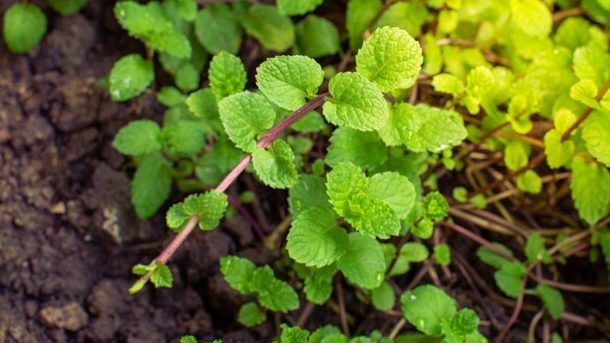
Peppermint requires loose soil texture with abundant moisture. The pH level of the soil should be 5.5 to 6.5. It should be well drained as the roots of the plant are shallow, and should have a high-water table with lots of organic matter.
What are the commercial cultivars of pepper mint?
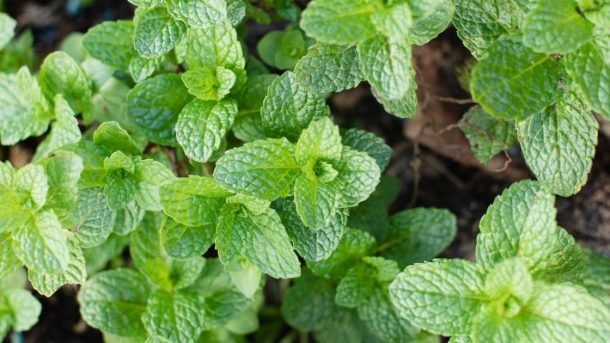
The commercial cultivars of Peppermint are Clone 80-121-33, Mitcham Ribecourt 19, Zefir, Dulgo pole, Bulgarian population, Refined Murray, Roberts Mitcham, Todd’s Mitcham, Clone 11-6-22 and Mitcham Digne 38.
What is the average yield of vanilla?
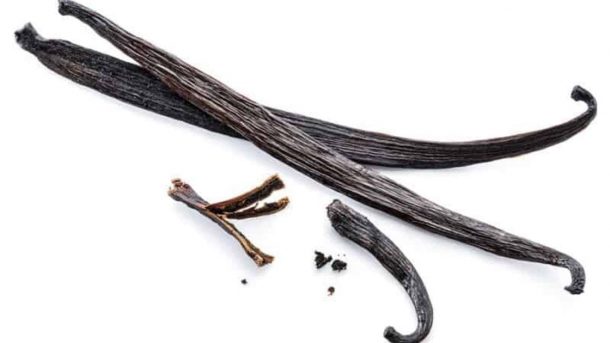
On an average about 80 to 90 matured beans could make 1 kg of vanilla. The yield of any plant depends upon the soil, climate, irrigation and variety of the crop used. Vanilla plants produce yield as per 250 grams/plant in the 3rd year, 500 grams/plant in the 4th year, 750 grams/plant in the 5th year and 1000 grams/plant from 6th year up to 15th year.
When and how harvesting is done in vanilla?
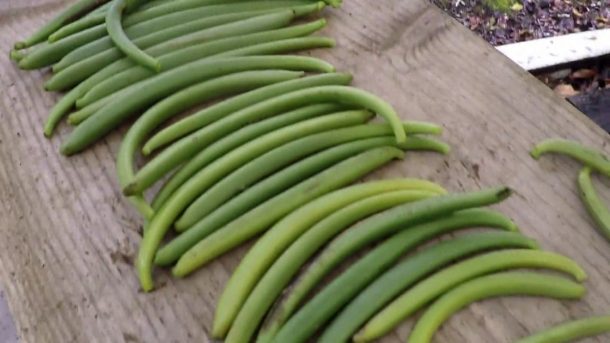
The vanilla beans obtain a full size in six weeks after pollination and take 8 to 11 months for reaching maturity. The plants are ready to harvest between 6 and 9 months after flowering when the parts are dark green and the tip begins to turn yellow. The beans should be harvested when the distal end turns pale yellow in colour.
Why trailing is done in vanilla farming?
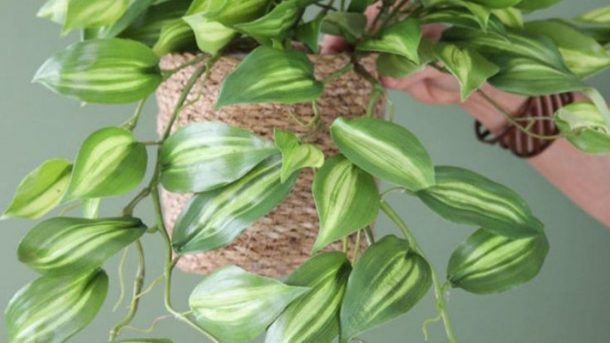
For limited growth of the plants, trailing operation is carried out and about 150-160 cm height is maintained for easy manual pollination. These plants are trailed by coiling them around the branches of the support pillars or on horizontal support such that the vines should not touch the ground.