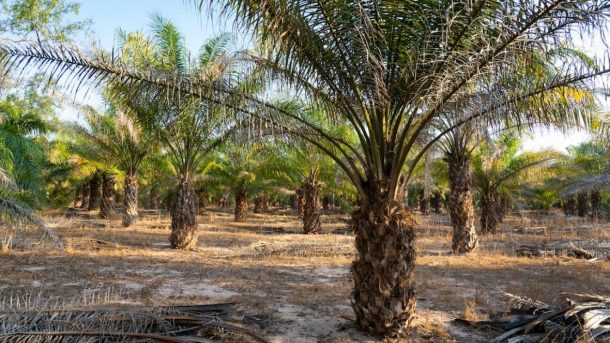
Oil pam crops can be grown in a wide range of soils. However, this crop thrives best in moist well drained, deep, permeable and loamy alluvial soils rich in good humus. This crop requires at least a meter depth of soil for easy root penetration in the soil. When growing commercially, a soil test should be carried out to find out the fertility of the soil. However, it should be avoided waterlogging, highly alkaline, highly saline and coastal sandy soils.
ScientificFarmingWeb
What is the climate required for growing oil palms?
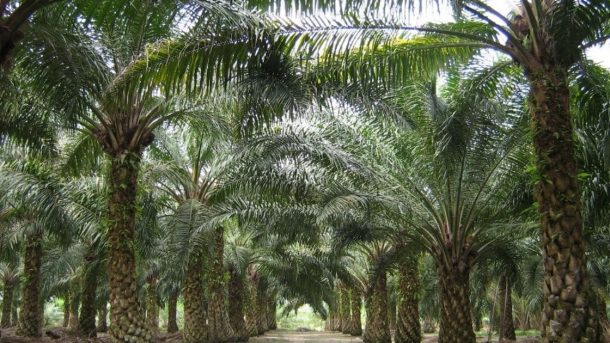
Oil palm is a humid crop and requires evenly distributed annual rainfall of 2500 to 4000mm. As we know even rainfall distribution is not possible, it is advised to cultivate oil palm crop under assured irrigation by adopting recommended practices. Oil palm crop comes up very at mean annual temperature of 20 to 27°C with bright sunlight for at least 5 to 6 hours a day. It is also important to have a humidity of more than 80% for the best yield.
What is the harvesting procedure followed in Noni fruit?
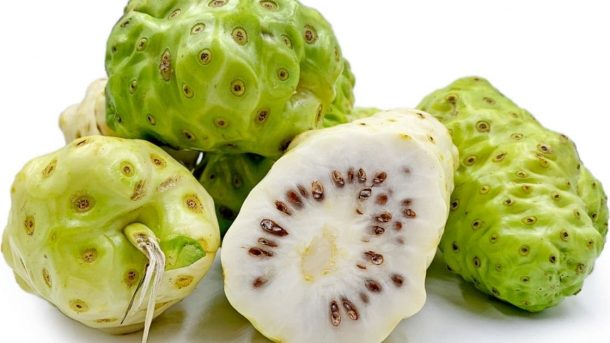
Noni fruit can be harvested when they start to turn white or when they turn soft, translucent and characteristically odorous this indicated that the fruit is fully ripened. Harvesting period of about 3 to 4 years and the regular yield will be from 5th year onwards.
How pruning is done in Noni fruit?
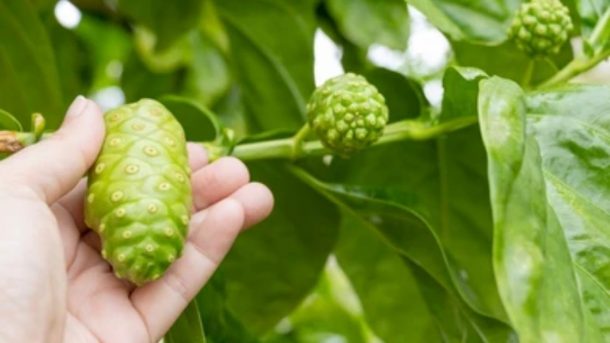
Pruning should be done regularly, young plants of age less than 3 years old should be pruned constantly until the first production of fruit. In the next growing phrases, the pruned plants will become bushy. Because Noni trees can reach a height of approximately 20 feet, growers may wish to prune the vertical branches of mature plants to facilitate picking. Pruning is effective to control pest and disease.
Which soil is suitable for growing Noni fruit?
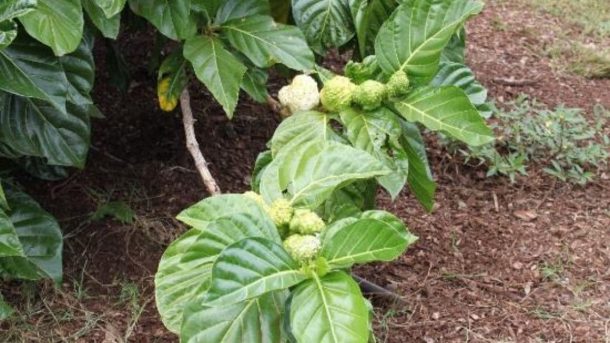
The soil should be free from weeds and nematodes and the soil should be mixed with sand, composted organic matter is excellent for seed germination. The soil affected with nematodes should be avoided or it should be treated with heat. The mulch like saw dust, leaf litter or sand should be applied over the seeds for weed control and moisture retention.
The germination rate of seeds is high in conditions ranging from deep shade to full sun. The best seed germination can be achieved in light partial shade. After the germination, in early growing phases the plant needs partial shade.
How to propagate Noni plants from seeds?
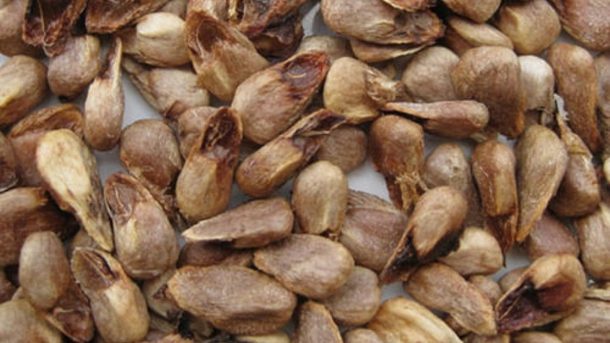
Noni plants are propagated from seeds, stem or root cuttings and air layering. The preferred methods of propagating are from seed and by cutting made from the stem. Noni plants produce flowers and fruit around the year. Fruits are collected from plants have large fruit, vigorous leaf growth for hedges etc.
Noni seeds are in reddish brown, oblong triangular and have a conspicuous air chamber. The Noni fruit seeds are buoyant and hydrophobic, water repellent fibrous seed coat. The seed coat of Noni fruit is very tough, relatively thick and covered with cellophane like parchment layers. A single large Noni fruit can have 100- 150 seeds. For seed propagation use Noni fruits should be chosen for seed collection. The seeds are collected from fibrous, clinging fruit flesh.
What is soil and climate required for growing Noni Fruit?
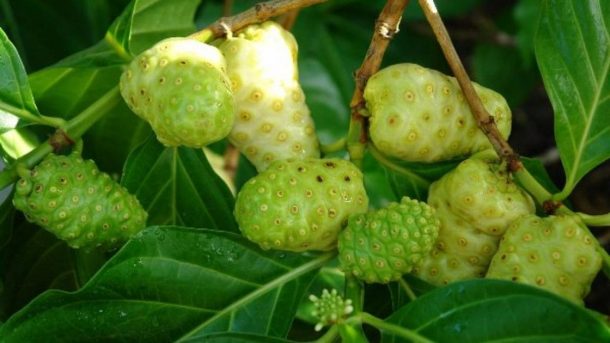
Noni grows in a very wide range of soils and environment and it has ability to survive in harsh environments. Noni can tolerate a wide range of drainage conditions, including wide range of pH levels. Mature cultivated Noni can resist the temperature from 20 -35°C and with an annual rainfall of 250- 4000mm.
How are potatoes harvested?
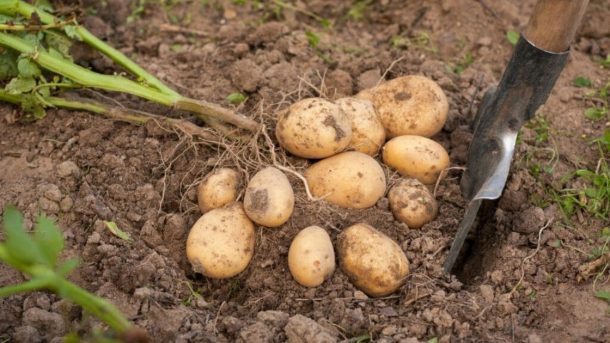
Harvesting can be done depending on the requirement i.e., some small new potatoes are purposely harvested when they are small and tender. Such crops are ready for harvest within 2 or 3 weeks of planting. The harvesting should always be done on a dry day. The tubers should be dug very carefully such that they are not damaged. The big size potatoes are harvested only when their foliage is dry or die back has occurred. For these big sized varieties, the foliage is removed and the potatoes are harvested after 10 or 15 days so that they develop thick skin.
Spading fork or plough is generally used to harvest potatoes. The use of these farm equipment should be gentle so that the tubers are not injured or bruised.
What diseases occur in potato plants and how they are controlled?
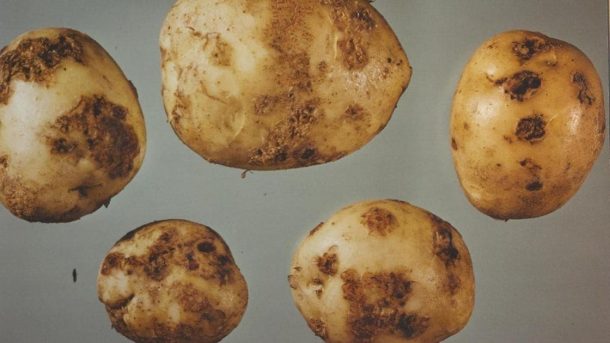
Highly prevalent disease if potato plant is bacterial wilt followed by early blight, late blight, scab and virus disease. The following can be done to minimize the occurrence of the diseases such as adopt crop rotation, using certified seed potatoes for planting, controlling the weeds in the farm area, deep ploughing the land is avoided, removing and destroying the diseased crops and sterilize the farm equipment before use.
How do you tell when potatoes are ready to dig up?
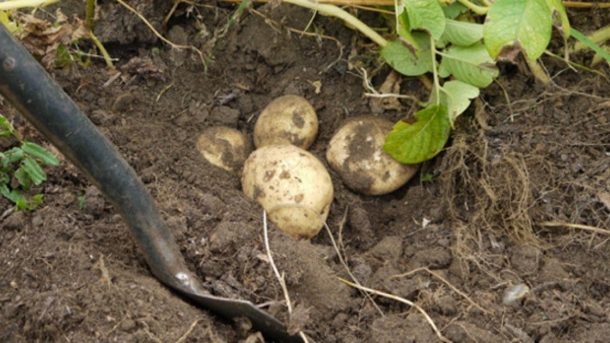
Generally, farmers wait until the foliage of the plants wither by themselves, indicating complete maturity of the crops. The potatoes from withered plants are removed by ploughing or digging and the skin of the potato is scrapped with fingers so as to understand if they are mature. If the skin doesn’t come off easily while rubbing then it’s the right time to harvest.