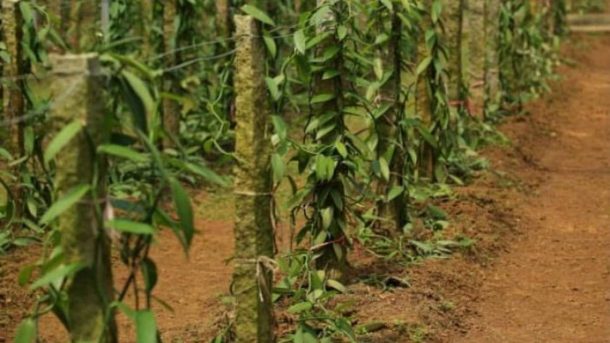
Vanilla crop can be grown in various types of soils from sandy loam to laterites, but it grows well in loose and friable soils with any type of loamy texture and it requires high organic matter content in the soil for better production. The soil should have a well drainage facility with the lands having a gentle slope and the pH of the soil should range between 6.5 to 7.5. Vanilla cultivation in Western Ghats is best suited as the soils are rich in organic matter and humus and they also have good drainage facilities. For commercial cultivation of the crop, soil test is essential.
ScientificFarmingWeb
What is the climatic requirement for vanilla farming?
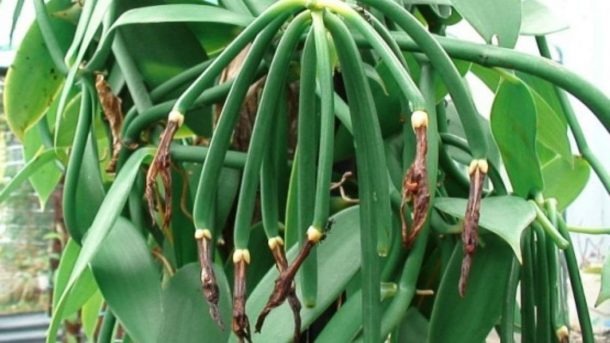
Vanilla plants require a warm and humid type of climate with a well distributed annual rainfall of about 150 to 350 cm and temperature range of 25°C to 34°C for optimum growth. It can be grown above mean sea level of 1400 metres and it prefers 45% shade and grows well under filtered light. Vanilla plants can be cultivated in shade houses or nets fitted with micro sprinklers and foggers in those areas where proper climate is not there.
Why knobbiness occurs in potatoes?
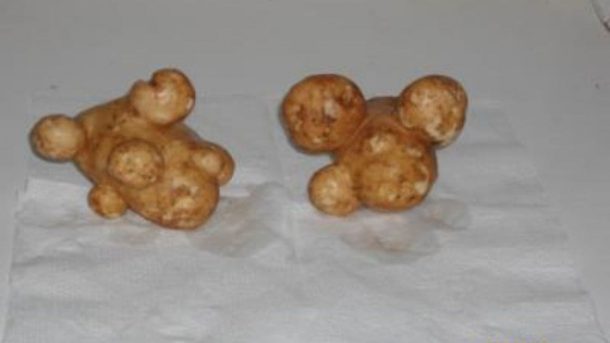
It occurs due to uneven growth of tuber cells/tissues. Uneven watering conditions lead to an obstruction in tuber growth. Heavy irrigation after a long dry spell leads to fast growth of some cells and as a result knobs are formed. Ensure frequent and optimum irrigation.
Why potatoes turn into green colour?
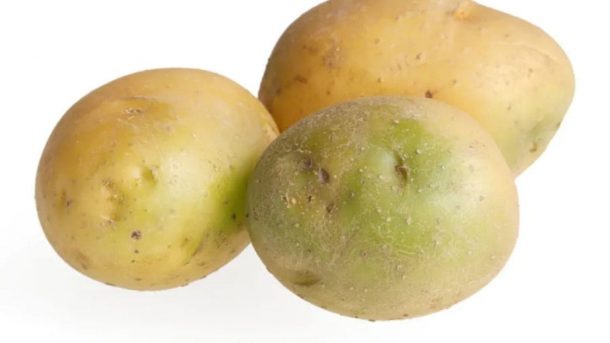
The various factors which increase the glycoalkaloid contents are mechanical injury, premature harvest, and excessive application of fertilizers or exposure of tubers to sunlight. High glycoalkaloid contents lead to solanine production which is slightly poisonous. Proper earthing up of tubers as the tuber formation takes place. Store tubers in darkness after digging up.
Why black heart occurs in potato?
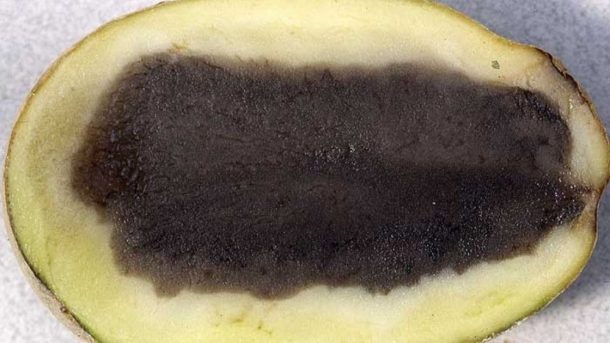
It is caused by sub-oxidation conditions under potato tuber storage as there is no aeration in the centre of the piles. Due to high temperature and excessive moisture, blackening of tissues in the centre occur. The appearance of the tuber affects the consumers otherwise there is no decay. Provide proper ventilation. Keep potato tubers in layers. Do not store tubers in the heap.
why hallow heart in occurs potato ?
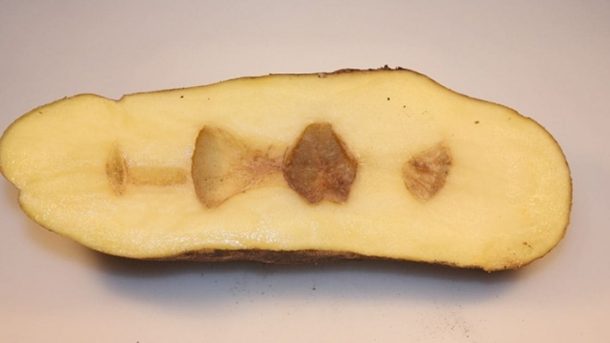
It is caused by rapid growth of tubers. Tubers become oversized and remain empty inside leading to the formation of cavity in the centre with the death of the small area of pith cells. This results in adjacent cracks and hollowness as the centre expands during the growth of the potato. Maintain soil moisture conditions to the optimum level. Avoid over fertilization particularly nitrogen. Grow those varieties which are less prone to this defect.
What is heaving injury?
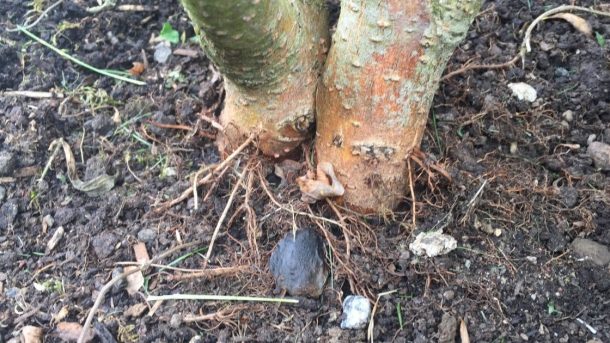
Heaving injury is found plants which are mainly grown in heavy clay and wet soils. It occurs by freezing and thawing of soil alternatively which will force shallow rooted plants to come. To overcome rapid fluctuation in soil temperature and heaving, applications of mulching before the soil freezes in late fall.
What is desiccation injury?
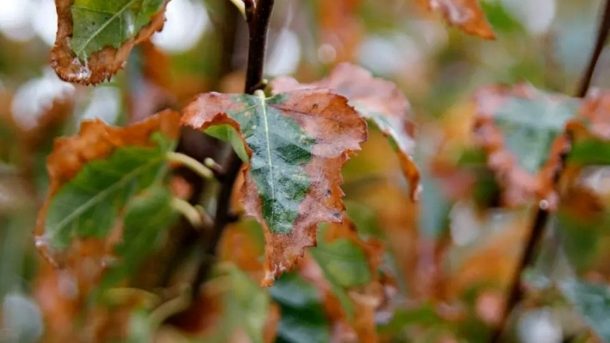
The desiccation injury results into browning, yellowing and purple discoloration of evergreens in the winter or early spring. Desiccation is occurred when winds in winter remove the moisture in leaf and soil moisture is also frozen, which results into unavailability of water. The plants with broad leaved are more vulnerable to desiccation injury than the narrow leaved plants. The curling of leaf and browning of leaf margin is mainly due to desiccation injury. It can be prevented by foliar spray of chemical anti-transparent (to prevent moisture loss) and mulching with leaves and wood chips around the base of plant to avoid freezing of the soil moisture.
What are black hearts?
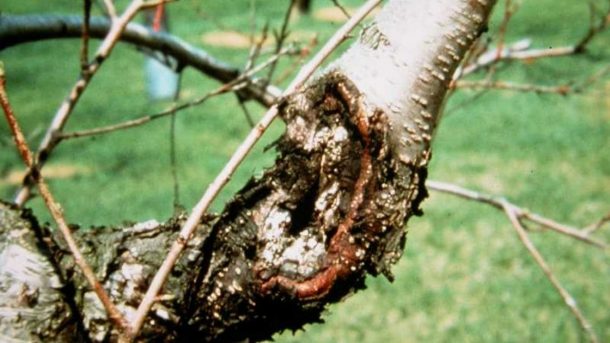
It is fairly common type of winter injury in which gumming occurs which leads to cell death and also pith is killed followed by darkening of heartwood. In later stages it results into weakening of the trunk and branches, but its recovery will be rapid in healthy trees. Nursery and young trees are mostly affected with black heart. It is mainly found in apple, peach, pear, plum and cherry fruit crops.
What is cambium injury?
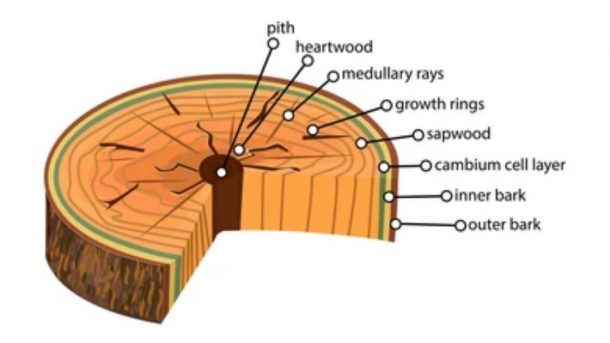
The severity of cambium injury is increased by warm temperatures followed by cold temperature resulting into hardening off the cambium. This leads to secondary infection of canker and fungi resulting in weakening of the plant. Often gummosis may also occur but not always. Cambium injury is mostly found in stone fruits such as peaches, plums, apricots, and cherries.