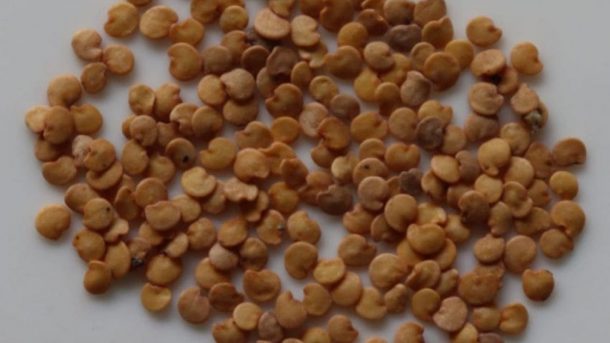
Treat the brinjal seeds with Trichoderma viride @ 4 g/kg or Pseudomonas fluorescens @ 10 g/kg of seed. Treat the seeds with Azospirillum @ 40 g/400 g of seeds using rice gruel as adhesive. Irrigate with a rose can. In raised nursery beds, sow the seeds in lines at 10 cm apart and cover with sand. Transplant the seedlings 30 – 35 days after sowing at 60 cm apart in the ridges.
ScientificFarmingWeb
Which climate is suitable for Brinjal production?
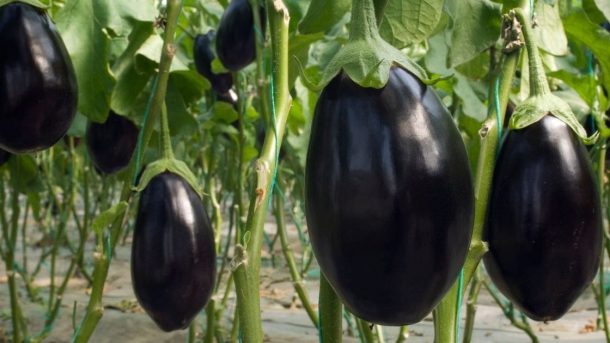
The brinjal is warm season crop, therefore susceptible to severe frost. Low temperature during cool season causes deformation of vegetables. A long and warm growing season desirable for successful brinjal farming. Cool nights and short summers are not suitable for satisfactory production. A daily average of 13 to 21°C is most favorable for optimum growth and yield. The brinjal seed germinates well at 25°C.
What is Arka Nidhi and it belongs to which variety?
This is a brinjal top yielding cultivar with resistance to bacterial vaginosis. Fruits are borne in the bunch. Calyx purplish green. Fruits are free from bitter principles with slow seed growth and good cooking quality. This brinjal crop is ready for picking in 145 to 150 days after transplanting in the field. The average yield is about 48 to 50 tone’s/ha.
Which climate is suitable for Roselle cultivation?
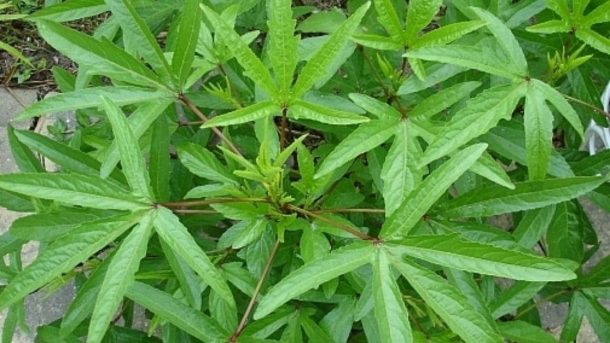
Roselle requires a monthly rainfall ranging from 130 to 250 mm in the first 3 to 4 months of growth. Dry weather is well tolerated and is desirable in the later months of growth. Rain or high humidity at harvest and drying times can downgrade the quality of the calyces and reduce the yield.
It prefers a warm, humid and dry climate with even rainfall of 150 to 200 cm per year and amount 25 cm per month during the growing period. It can grow as a dry rainfed crop or also as an irrigated crop, but it does not stand heavy and continuous rains, water logging, winter cold and frost.
Which soil is suitable for growing Roselle?
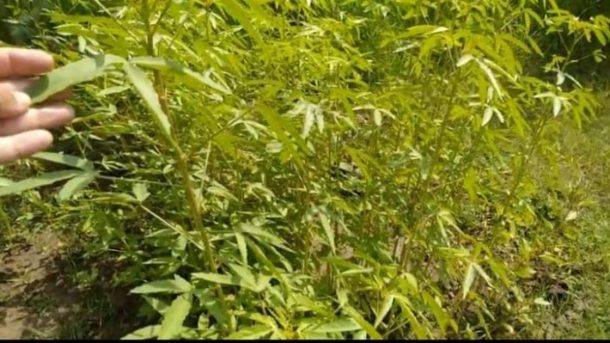
The roselle plant is found under cultivation on large types of soil varies from sandy to heavy clay. However, well drained loamy soils with a good amount of organic matter are ideal for growing the crop.
When and how harvesting of turmeric is done?
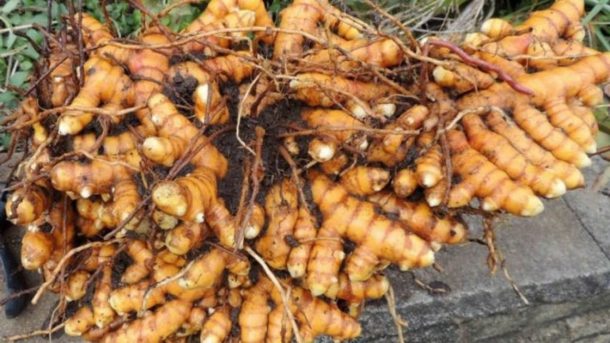
The crop should be harvested at the right maturity and is usually ready for harvesting in about 7 to 9 months after sowing depending up on the variety used. Generally, the polyhouse land is ploughed and the rhizomes are gathered by hand picking or the clumps are carefully lifted by using a spade. Harvested rhizomes are cleaned thoroughly with water. The average turmeric yield per acre is 8 -10 tones. Fingers are separated from mother rhizomes. Mother rhizomes are generally kept as seed material for next planting.
How irrigation plays a significant role in organic turmeric cultivation in polyhouse?
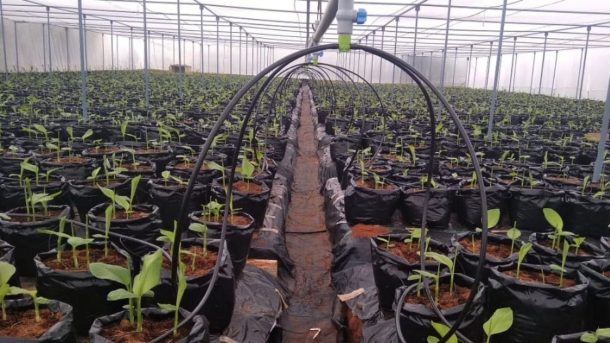
Turmeric thrives in soil with plenty of moisture but, make sure to not to do overwatering. Soil should be evenly moistened poorly drained soils not only harm the turmeric crop but encourage the development of diseases and pests. Quality of irrigation water is vital, sewage water, waste water from industry is not allowed.
First irrigation is given before planting. Good soaking irrigation is given immediately after sowing. Turmeric crop duration is generally 7 to 9 months depending on the variety. Subsequent irrigations are given at 7 to 10 days interval depending on the soil.
Which climate and soil are suitable for growing organic turmeric?
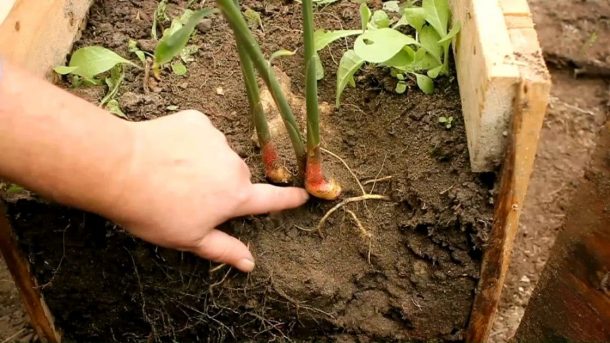
Turmeric prefers a warm and humid climate. It can be grown in diverse tropical conditions within a temperature range maintained at 20-30 °C with a rainfall of 1500 mm or more per annum or under proper irrigation conditions.
Turmeric growth ceases when, the temperature falls below 20°C and hence early planted turmeric gives a good yield. Although turmeric grows well in different types of soil ranging from light black loam, red soils to clayey loams, rich loamy soils which are well drained. Turmeric cannot stand water stagnation or alkalinity. Any problem related to temperature, irrigation can easily be sorted in polyhouse by regulating the growing conditions, irrespective of turmeric growing season.
Which climate and soil are suitable for red gram seed germination?
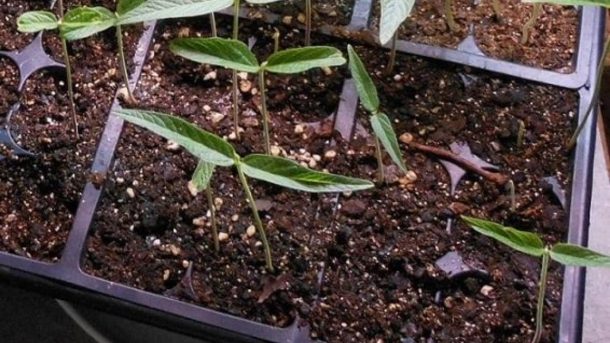
Red gram is predominantly a crop of tropical areas mainly cultivated in semi-arid regions of India. Red gram can be grown with a temperature ranging from 26 to 30 °C in the rainy season and 17 to 22°C in the post rainy season. Red gram is very sensitive to low radiation at pod development, therefore flowering during the monsoon and cloudy weather leads to poor pod formation. It is successfully grown in black cotton soil, well drained with a pH level ranging from 7.0 – 8.5. Red gram responds well to properly tilled and then drained seed bed. The red gram crops can be grown in almost all types of soils. Though it does best on well drained, light to medium soils, and deep enough to permit a free development of roots. Bright sunny weather is required during flowering and pod ripening stage.
What are the methods of soil management?
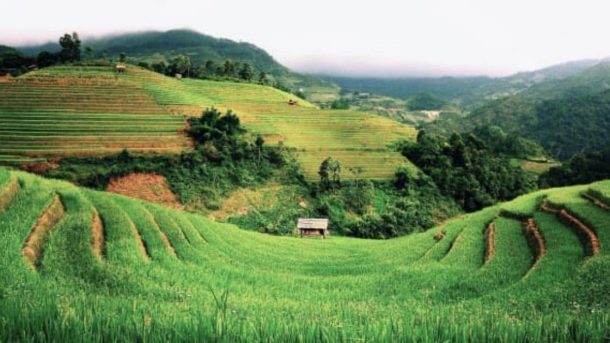
The methods of soil management practices are: Soil conservation practices, conservation tillage, contour farming, strip cropping, windbreaks, Crop rotation, cover crops, buffers trips and Grassed waterways.